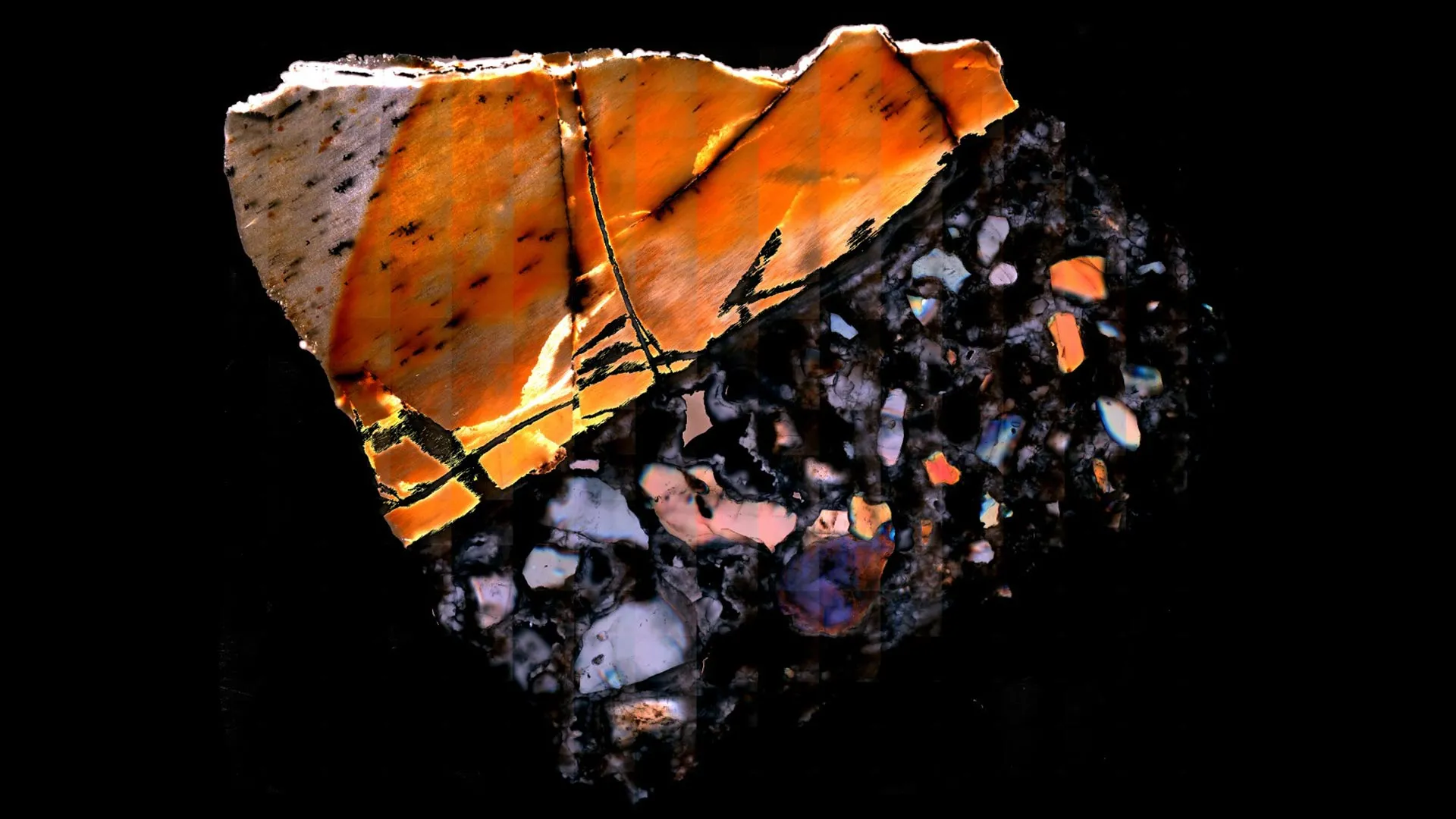
Researchers at New York University have made groundbreaking discoveries that illuminate aspects of prehistoric life by examining fossilized bones dating back between 1.3 million and 3 million years. Their findings, published in the journal Nature, detail the presence of preserved metabolic molecules in these fossils, revealing important insights into the diets, diseases, and environmental conditions of ancient animals.
This innovative approach marks the first time scientists have successfully analyzed metabolism-related molecules within fossilized remains, such as bones from animals that thrived millions of years ago. By investigating these chemical traces, the research team was able to reconstruct vital information regarding the ancient ecosystems, including climate conditions that were significantly warmer and wetter than today.
Timothy Bromage, a professor of molecular pathobiology at NYU College of Dentistry and the lead researcher, explained the significance of this work. “I’ve always had an interest in metabolism… It turns out that bone, including fossilized bone, is filled with metabolites,” he stated. This discovery could revolutionize how scientists study ancient life forms, moving beyond traditional DNA analyses, which primarily focus on genetic relationships.
New Insights into Ancient Ecosystems
Through their research, the team discovered that metabolites—molecules produced during digestion and other bodily processes—can provide a wealth of information about health, nutrition, and environmental exposure. The analysis revealed a variety of metabolites, including markers that indicate the presence of parasites, such as those linked to sleeping sickness. In one notable case, a ground squirrel fossil from Olduvai Gorge in Tanzania, dated to approximately 1.8 million years ago, showed signs of infection by the parasite Trypanosoma brucei.
The team employed mass spectrometry, a technique used to identify molecules by converting them into charged particles. This method successfully unveiled nearly 2,200 metabolites in modern mouse bones and allowed researchers to identify collagen proteins in some fossil samples. The application of this technique to ancient bones from regions known for early human activity, including Malawi and South Africa, provided a deeper understanding of the diets and health of these ancient creatures.
Reconstructing the Past
The analysis not only highlighted the health and dietary habits of ancient animals but also provided insights into the types of plants they consumed. While databases on plant metabolites are less comprehensive than those for animals, the researchers identified compounds linked to local flora such as aloe and asparagus. Bromage noted, “What that means is that, in the case of the squirrel, it nibbled on aloe and took those metabolites into its own bloodstream.”
This information allows scientists to infer the environmental conditions under which these animals lived. The chemical evidence suggests that many of the regions where the fossils were found had climates that were markedly different from today. For example, the Olduvai Gorge has previously been identified as a freshwater woodland and grassland area, while other locations indicated drier woodlands and marshy habitats.
Bromage remarked, “Using metabolic analyses to study fossils may enable us to reconstruct the environment of the prehistoric world with a new level of detail.” This advancement opens the door to a more nuanced understanding of ancient ecosystems, akin to the work of modern field ecologists.
The research team included multiple contributors from NYU, as well as international collaborators from institutions in France, Germany, and Canada. The project received support from The Leakey Foundation, with additional funding for advanced imaging techniques provided by the National Institutes of Health.
This pioneering work not only enhances our comprehension of ancient life but also sets a new precedent for how scientists can explore and interpret fossilized remains, potentially reshaping our understanding of prehistoric environments and the organisms that inhabited them.