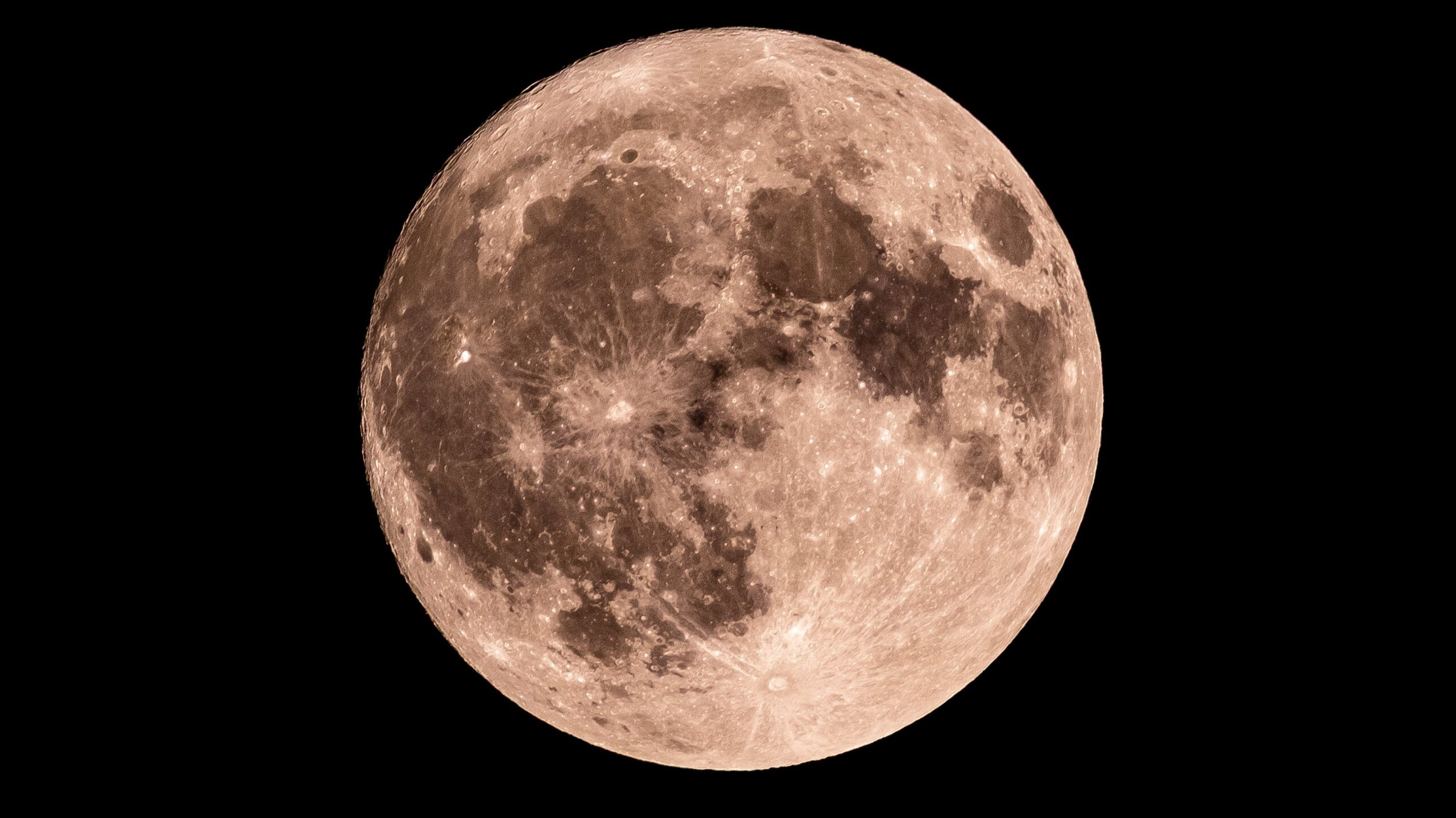
On January 17, the Moon will be in its Waning Crescent phase, with only 2% of its surface illuminated as it approaches the New Moon. This phase means that most of the Moon is obscured from view, creating a largely dark sky tonight. While it may be tempting to think of the New Moon as a night with no visible Moon, a slender sliver of light will still be present.
Understanding Moon Phases
The lunar cycle, which lasts approximately 29.5 days, encompasses eight distinct phases as the Moon orbits Earth. According to NASA’s Daily Moon Guide, these phases include the New Moon, Waxing Crescent, First Quarter, Waxing Gibbous, Full Moon, Waning Gibbous, Third Quarter, and Waning Crescent. Each phase reflects how much sunlight illuminates the Moon, resulting in varying visibility from Earth.
In the New Moon phase, the Moon is positioned between Earth and the Sun, rendering it invisible to the naked eye. As the Moon transitions to the Waxing Crescent phase, a small portion of its surface becomes visible, gradually increasing until the Full Moon, when the entire face is illuminated. Following this peak, the Moon enters the Waning phases, where it begins to lose light, eventually returning to the New Moon.
Upcoming Lunar Events
The next Full Moon will occur on February 1, following the last Full Moon on January 3. As lunar enthusiasts prepare for these celestial events, understanding the progression of the lunar cycle enhances appreciation for the changes in our night sky.
This January, while the Waning Crescent may not provide a breathtaking view, it serves as a reminder of the cyclical nature of the Moon. Observers can look forward to clearer views in the upcoming phases, as the Moon continues its dance around Earth, showcasing its beauty in varying forms.