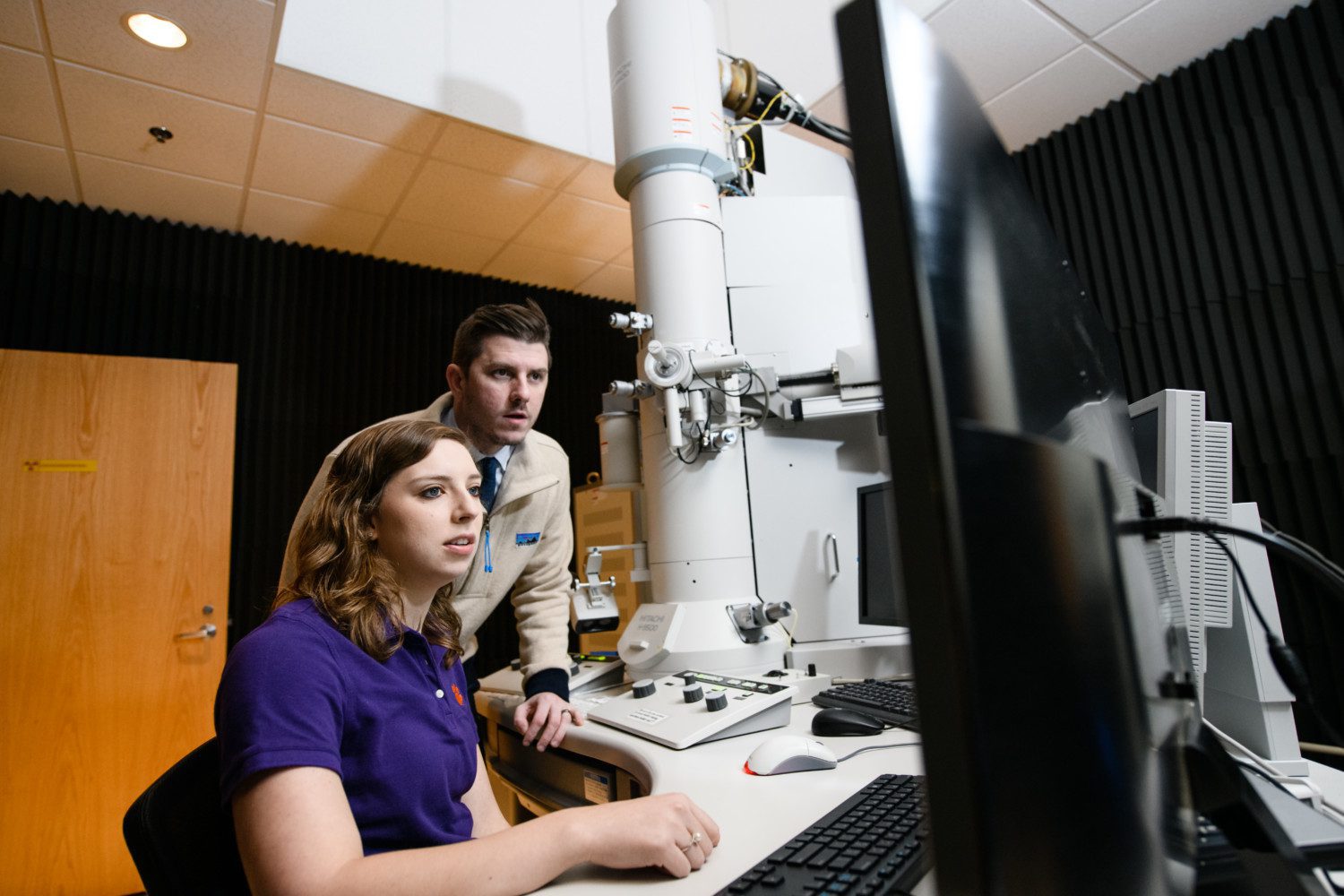
Clemson University has achieved a significant milestone by becoming the leading research institution in South Carolina, as reported by the National Science Foundation (NSF). For the first time, Clemson’s total research and development (R&D) expenditures reached $339 million in 2024, outpacing all other universities in the state, according to the latest data from the NSF Higher Education Research and Development Survey.
The total R&D figure encompasses various funding sources, including competitive federal grants, institutional expenditures, state support, and investments from private and nonprofit sectors. Tanju Karanfil, senior vice president for research, scholarship, and creative endeavors at Clemson, stated, “We have aligned our research strengths with state and federal priorities in energy resilience, national security, advanced manufacturing, health, agriculture, and critical technologies to push meaningful innovation and scientific discovery that benefits the public and the state’s economy.”
Clemson’s research initiatives are making a tangible impact across South Carolina. The university collaborates with a wide range of partners, including farmers, utilities, manufacturers, healthcare providers, K-12 schools, and community organizations. For instance, Dominion Energy South Carolina and TECO Westinghouse Motor Company are developing a new transformer device with Clemson that aims to prevent power outages caused by environmental disruptions such as fallen tree limbs.
In the healthcare sector, Prisma Health recognized a Clemson faculty member for innovative research focused on reducing hospital readmissions. Additionally, a research team from Clemson received national recognition for helping over 1,500 South Carolinians manage diabetes more effectively. The university’s scientists have also developed new dry pea cultivars, providing farmers with alternative revenue streams for land typically left fallow during winter months.
Furthermore, Clemson researchers are assisting K-12 school districts in adapting to advancements in artificial intelligence, showcasing the university’s commitment to enhancing education and workforce development in the state. Karanfil emphasized the breadth and impact of Clemson’s research, saying, “Clemson research is defined by bold ideas, broad collaboration, and big impact.”
Over the past five years, Clemson’s research activities have supported nearly 1,400 Ph.D. completions and 9,000 master’s degree completions, contributing significantly to the regional workforce. Thousands of undergraduate students also engage in research each year, gaining valuable experiential learning opportunities that prepare them for future careers.
Clemson’s research endeavors have led to the creation of 24 startup companies, along with 304 invention disclosures, 83 patents, and 80 licenses and options that enable businesses to leverage Clemson’s innovations. This vibrant research ecosystem not only enhances the university’s reputation but also plays a critical role in driving economic growth in South Carolina.
As Clemson University continues to expand its research capabilities and foster collaboration, its contributions to science, technology, and the economy are likely to grow, further establishing its position as a leader in innovation within the state and beyond.