Capricor Therapeutics announced on March 6, 2024, that its cell therapy, known as deramiocel, has shown significant improvements in muscle and heart function for patients suffering from Duchenne muscular dystrophy. This advancement marks a key achievement in a Phase 3 clinical study, meeting the primary objectives and potentially influencing the treatment’s future amid ongoing regulatory scrutiny.
The U.S. Food and Drug Administration (FDA) previously rejected the application for deramiocel in July 2023, citing insufficient evidence of its effectiveness based on mixed results from earlier trials. The decision, made by Vinay Prasad, the FDA’s leading regulator for cell and gene therapies, overruled recommendations from staff who had supported the therapy’s approval.
In light of the new findings from a larger, placebo-controlled trial, Linda Marban, CEO of Capricor Therapeutics, expressed confidence that these results are compelling enough to prompt a re-evaluation of the FDA’s earlier decision. The study’s outcomes suggest not only improved muscle function but also enhanced cardiac performance, dual benefits that could significantly impact the quality of life for those affected by this debilitating condition.
The Phase 3 study included a diverse cohort of participants, showcasing the therapy’s potential across different demographics. As Duchenne muscular dystrophy often leads to severe complications, including heart failure, these findings are particularly noteworthy. The data derived from this study will be crucial as Capricor prepares to submit additional evidence to the FDA.
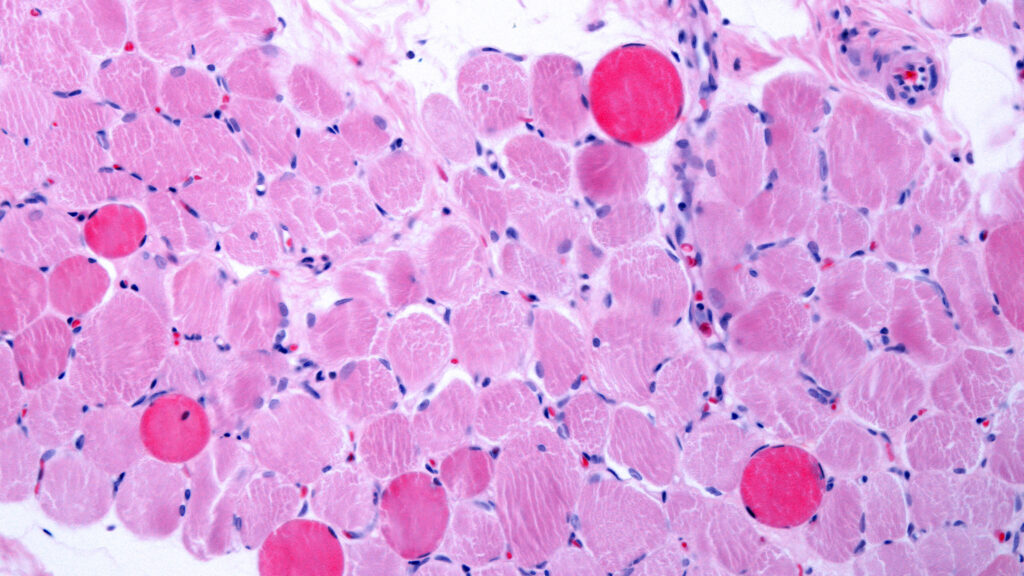
Capricor’s development of deramiocel has attracted considerable attention within the medical community, especially given the challenges associated with treating Duchenne muscular dystrophy. The condition primarily affects boys and is characterized by progressive muscle degeneration, leading to significant health challenges.
The company aims to address these challenges through innovative therapies, and the latest results may serve as a turning point in securing regulatory approval. Capricor’s commitment to advancing treatment options could not only benefit patients but also reshape the landscape of therapy for rare muscular disorders.
As the FDA’s review process continues, the medical community and patients alike will be watching closely. If successful, deramiocel could become a vital tool in the fight against Duchenne muscular dystrophy, offering hope to families grappling with this condition.
The ongoing discourse surrounding the approval process highlights the intricate balance between regulatory oversight and the urgent need for effective treatments. Capricor’s latest findings may provide the necessary impetus to shift the narrative and pave the way for new therapeutic possibilities.