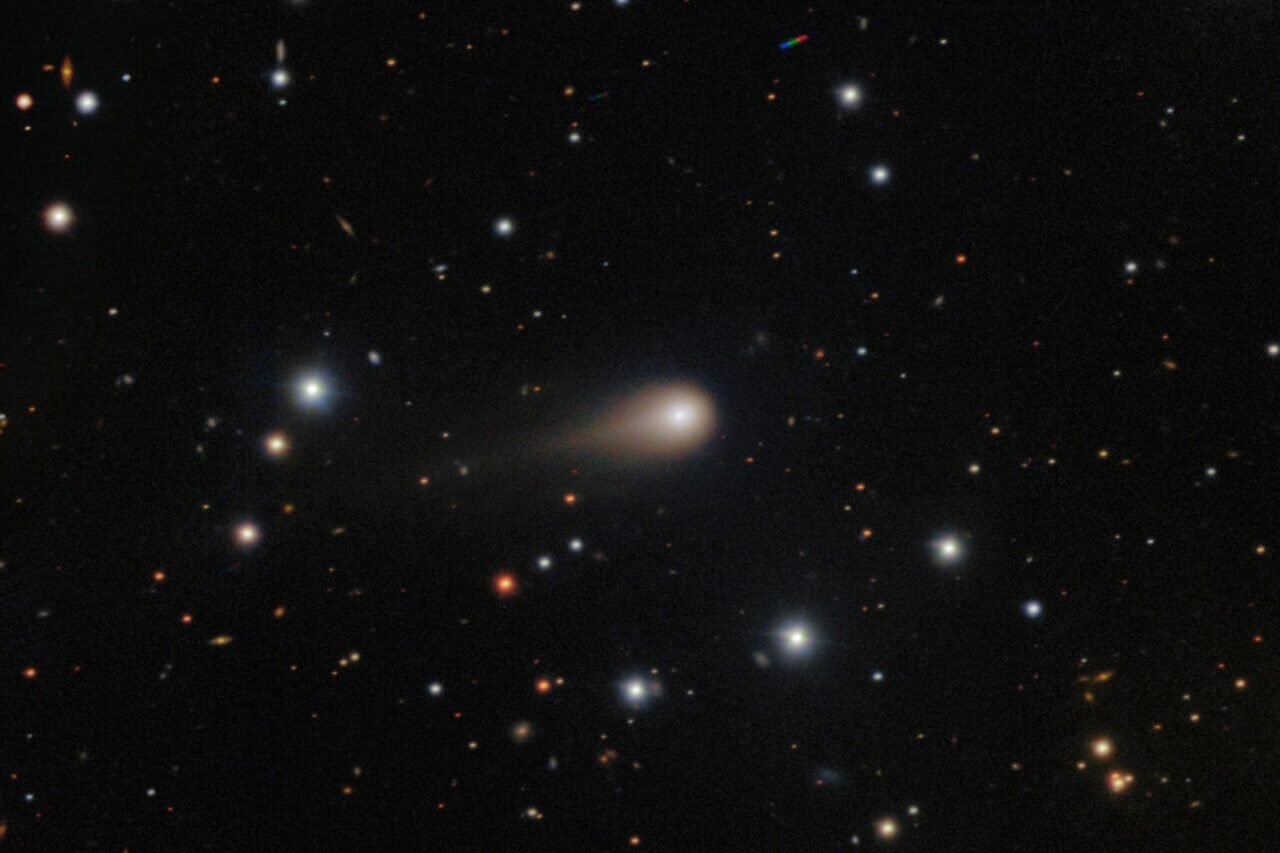
A team of astronomers has successfully captured detailed images of two stellar explosions, known as novae, shortly after their eruption. This significant achievement, announced in early 2023, sheds new light on the complexity of these cosmic events, revealing that they involve multiple outflows of material and, in certain instances, notable delays in the ejection process.
Revolutionary Observations
The images, taken within days of the explosions, provide direct evidence that the mechanisms behind novae are far more intricate than previously understood. Traditionally, these explosions were thought to follow a more predictable pattern. However, the new findings indicate a nuanced behavior, with varied ejection rates and dynamic material flows.
Leading the research, a group from a major observatory utilized advanced imaging techniques to monitor these stellar events in real time. The team focused on two specific novae, capturing their development from the initial eruption to the subsequent outflows. These observations mark a groundbreaking step in stellar astrophysics, allowing scientists to study the life cycle of stars with unprecedented accuracy.
Understanding Novae and Their Impact
Novae occur when a white dwarf star accretes material from a companion star, leading to explosive nuclear reactions. This phenomenon can result in a dramatic increase in brightness, often outshining entire galaxies. The recent study emphasizes that the process is not only explosive but also highly variable, challenging existing models of stellar evolution.
According to the research published in a leading astrophysical journal, the findings could have implications for our understanding of the universe. By examining the detailed outflows, astronomers hope to gain insights into the chemical processes that occur during these explosions and how they contribute to the formation of new stars and planets.
The implications of this research extend beyond academic interest. Understanding novae can also enhance our knowledge of cosmic events that influence the structure of galaxies and the distribution of elements throughout the universe.
As the field of astrophysics continues to evolve, discoveries like these highlight the importance of advanced observational techniques and international collaboration among scientists. The ongoing study of stellar explosions will undoubtedly yield further revelations, shaping our understanding of the cosmos for years to come.