The evolution of surgical practices surrounding amputation during the Renaissance marked a transformative moment in medical history. From the late 15th century to the 17th century, Europe transitioned from viewing amputation as a last resort to a viable option for altering the human body. This shift laid the groundwork for modern surgical techniques and artificial limb development, influencing how health care perceives bodily interventions today.
Changing Attitudes Toward Surgery
Amputation, once feared due to its high mortality rates, became increasingly accepted as a necessary medical intervention. Surgeons in the 16th and 17th centuries were faced with the reality of injuries caused by new weaponry, particularly firearms. The prevalence of devastating wounds required immediate surgical responses. During the American Civil War, surgeons performed approximately 60,000 amputations, often completing procedures in less than three minutes. Yet, the cultural and medical shifts that made such practices possible began much earlier.
The Renaissance brought forth influential changes, particularly with the advent of the printing press. Surgeons began to document their techniques and share knowledge, helping to standardize practices. This exchange of ideas allowed for the exploration of more effective surgical techniques, moving beyond the limited practices of medieval medicine.
Surgeons debated the best methods for amputation, influenced by emerging understandings of anatomy and the urgency created by battlefield injuries. They employed strategies that prioritized speed and efficiency, often at the expense of patient comfort, as anesthesia and sterilization techniques were nonexistent.
The Rise of Prosthetic Technology
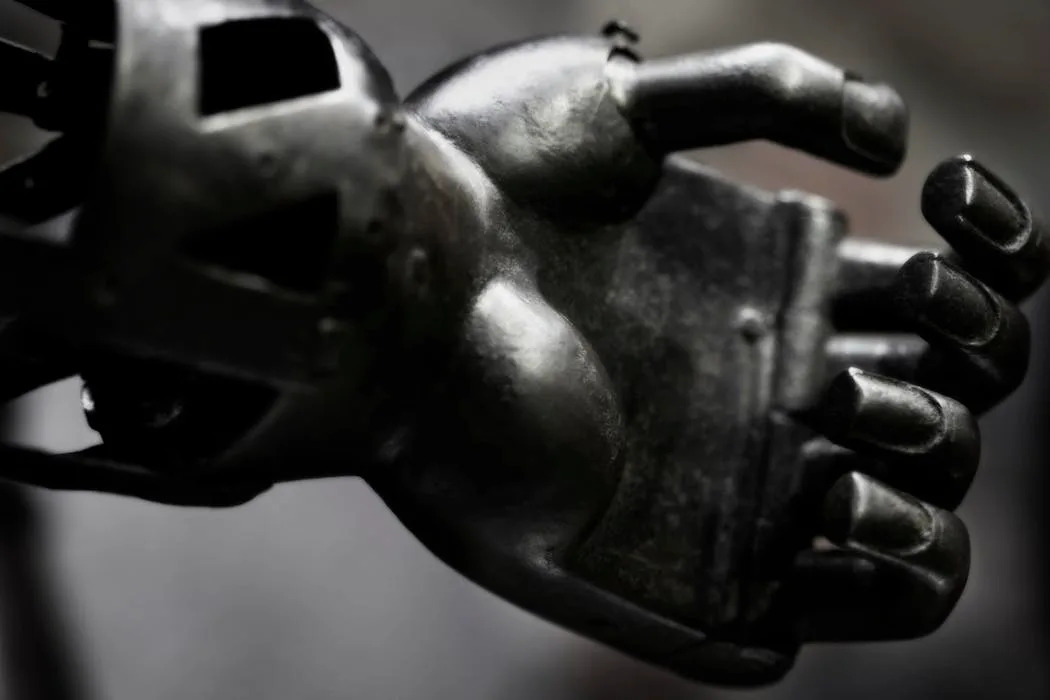
As surgical techniques advanced, so too did the development of prosthetic limbs. The late 15th century saw the introduction of the mechanical iron hand, representing a significant leap in prosthetic design. Early modern amputees often collaborated with artisans to create these devices, which included intricate details such as movable fingers and lifelike appearances.
Survival rates for amputees during this era were alarmingly low, with estimates suggesting only 25% of individuals survived limb loss. Yet for those who did, the ingenuity displayed in crafting prostheses was remarkable. Unlike today, where a doctor’s prescription is necessary for obtaining an artificial limb, early modern amputees relied on their resourcefulness and the skills of craftsmen to create functional, albeit rudimentary, devices.
Iron hands were not merely practical tools; they served as symbols of resilience and innovation. By challenging societal perceptions of disability, these prostheses allowed wearers to redefine their identities. Rather than being viewed as pitiable figures, amputees used these devices to assert agency and independence.
The impact of these developments reached beyond individual experiences. Surgeons began to consider the placement of prosthetic devices during operations, fostering a new understanding of the human body as something that could be shaped and altered. This reimagining of the body paved the way for modern biomedicine, where interventions are often seen as opportunities for enhancement rather than merely restoration.
Ultimately, the collaboration between surgeons, artisans, and amputees during the Renaissance laid the foundation for the advanced prosthetic technologies we see today. The notion that the human body could be meticulously altered and improved remains a vital aspect of contemporary medical practice, highlighting the enduring legacy of this transformative period in history.
This article is based on research by Heidi Hausse from Auburn University, who explores the interplay between surgical innovation and societal attitudes towards disability during the Renaissance. The insights provided illustrate how historical developments continue to shape modern medical practices and perceptions of bodily integrity.