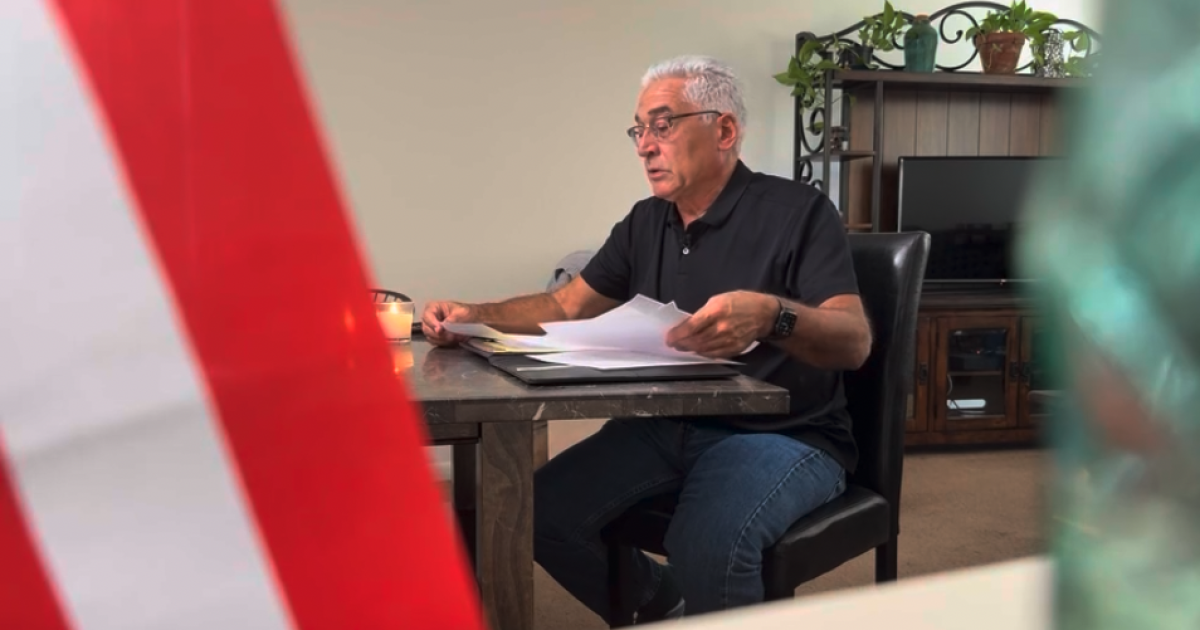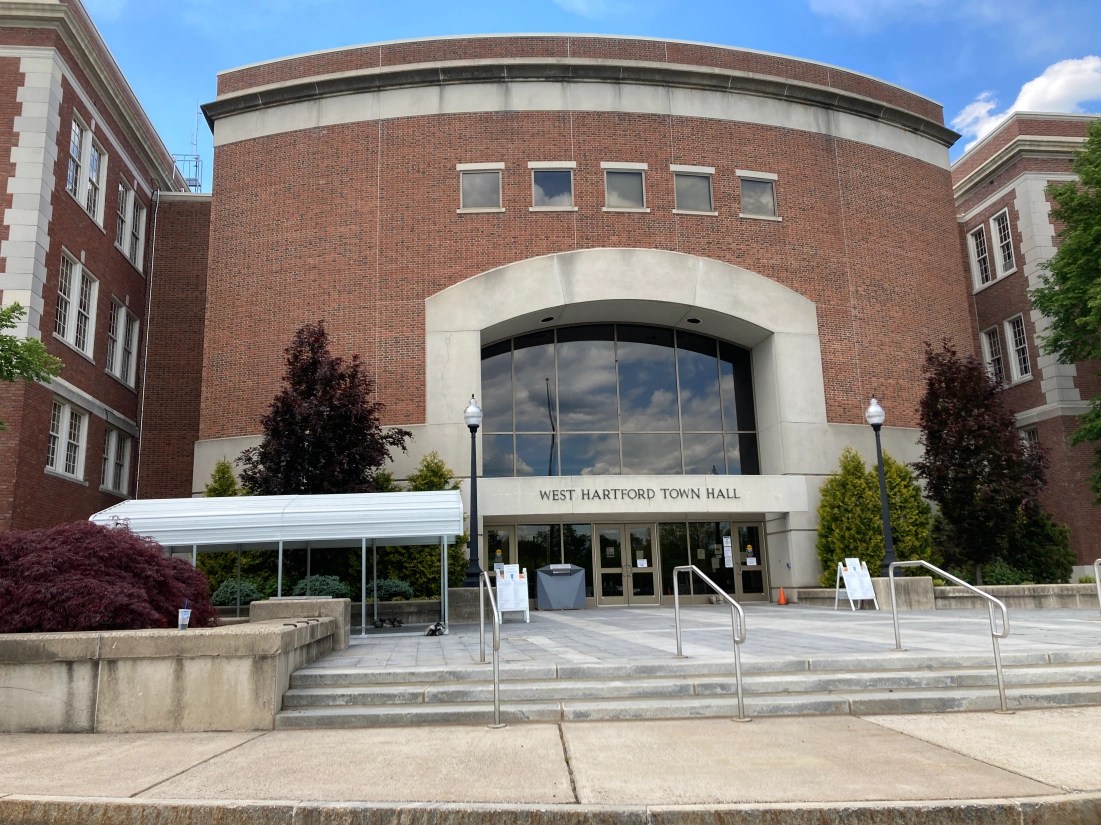
West Hartford’s Town Council recently voted against a proposal aimed at regulating the storage of recreational vehicles (RVs) at residential properties. The measure, presented by resident Michael Cervone, sought to amend zoning regulations to allow RVs as an accessory use in single-family residential districts. The council rejected the proposal with a vote of 7-2 during a hearing.
Cervone argued that the current zoning code is ambiguous regarding RV storage, which has led to confusion among residents and enforcement personnel. He emphasized that the absence of clear guidelines results in inconsistent enforcement and unnecessary disputes. “This proposal does not introduce new land use; it provides structure and standards for a use that already exists throughout our community,” he asserted.
The proposal aimed to modify Sections 177-2 and 177-6 C of the West Hartford Zoning Ordinances. Cervone defined a recreational vehicle as any vehicle designed for leisure or temporary accommodation, which includes motor homes, campers, and trailers. He highlighted that establishing a clear definition would help both residents and enforcement officers share a common understanding.
Cervone’s plan also included specific conditions for outdoor RV storage. Under his proposal, RVs would need to be parked behind the main building on the lot, at least 10 feet away from side or rear lot lines, and not allowed in front yards. Additionally, he stressed that RVs should be kept in good repair and not used for living or business purposes.
Despite the detailed proposal, concerns were raised during the council meeting. West Hartford Town Planner Todd Dumais indicated that the Planning & Zoning Commission found the language of the ordinance to be ambiguous and potentially burdensome for enforcement. Dumais noted inconsistencies in the proposed placement rules for RVs, raising questions about the permissiveness of the definition offered by Cervone, particularly concerning non-commercial utility trailers.
Following the vote, council member Jason Wang expressed disappointment at the decision. “I think it’s a free country, and you’re not hurting anybody by owning an RV,” he said, indicating surprise at the opposition faced by the proposal. Council member Gayle Harris sought clarification on whether RVs are taxed while residents are prohibited from parking them on their properties. She was informed that such vehicles are indeed taxed.
West Hartford Mayor Shari Cantor acknowledged the thoughtful nature of Cervone’s proposal but expressed concerns that the ordinance, as drafted, was too broad. “I believe the concerns raised are legitimate,” she stated. Cantor suggested that further study in committee might yield a more narrowly tailored ordinance that could address the issue effectively.
Cervone concluded his presentation by emphasizing the need for a solution. “We have a problem in need of a fix. When we needed it was yesterday,” he stated, reiterating that the proposal aimed only to clarify existing regulations and not to change the character of residential neighborhoods.