Video games that depict military conflict often resonate with a sense of authenticity, thanks to the involvement of real veterans and military advisors. Titles such as Call of Duty, Medal of Honor, and Ghost Recon: Breakpoint have been significantly shaped by the insights and experiences of those who have served in the armed forces. This article explores how these veterans contribute to creating a more realistic portrayal of warfare in video games.
Veterans Behind the Scenes
The impact of veterans on the gaming industry is profound. Many of these individuals have transitioned from military service to roles as technical advisors, writers, and consultants, ensuring that the virtual representations of combat align closely with real-life experiences. For instance, James D. Dever, a retired Marine Corps sergeant major, played a pivotal role in shaping the realism in Call of Duty 4: Modern Warfare. His company, 1 Force Inc., specializes in military consulting for various media. Dever’s meticulous attention to detail has ensured that elements such as squad movements and communication reflect actual military protocols.
In a 2023 interview, Dever emphasized the importance of authenticity: “Getting the little things right is critical. It affects how players engage with the game.” The result is a gameplay experience that feels immediate and grounded, allowing players to immerse themselves in scenarios that echo real military operations.
Another significant figure in military video games is Dale Dye, a retired Marine captain known for his work as a military advisor on the Medal of Honor series. Dye’s influence helped establish the groundwork for WWII military shooters, focusing on authentic tactics and emotional narratives. His collaboration with filmmaker Steven Spielberg in the early 2000s created a gaming environment that emphasized both the chaos and camaraderie of war.
Expanding Roles for Veterans in Gaming
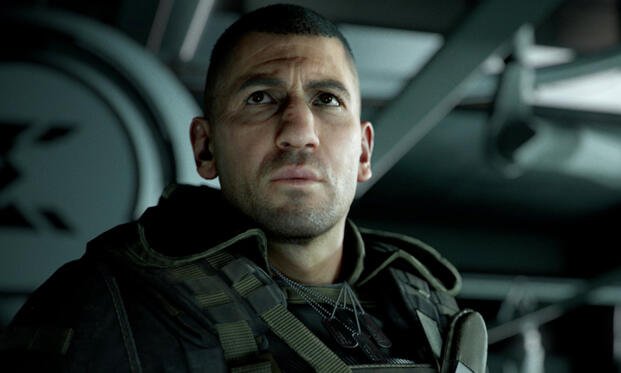
The role of veterans extends beyond technical advisement into storytelling. Emil Daubon, a former U.S. Army Special Forces soldier, transitioned from active duty to writing for Ghost Recon: Breakpoint. Daubon’s military background allows him to infuse narratives with a depth that reflects the complexities of modern warfare. He strives to convey the moral dilemmas faced by soldiers and the psychological toll of prolonged conflict.
In an interview, Daubon noted, “Our stories need to reflect the realities of what soldiers experience, from the challenges of intel failures to the dark humor that helps teams cope.” This approach not only enriches the gaming experience but also fosters a greater understanding of military life.
Furthermore, the U.S. Army created its own video game, America’s Army, in the early 2000s. Spearheaded by Col. Casey Wardynski, this initiative aimed to provide an engaging way to showcase Army values and operations. The game, launched in 2002, combined entertainment with recruitment, allowing players to experience military training and teamwork in a virtual environment.
The game’s emphasis on procedural realism and player roles mirrors actual military positions, making it a unique blend of gaming and training. Researchers have noted that America’s Army effectively blurred the line between a game and a recruitment tool, demonstrating how the military can leverage technology to attract new recruits.
Veterans find valuable new opportunities in the gaming industry, taking on roles such as technical advisors, writers, and narrative designers. They help shape how military stories are told, ensuring that the representation of war is both respectful and accurate.
For many veterans, transitioning to the gaming industry has been a fulfilling path. Dever has remarked on the gap he observed when leaving the military, noting that productions often needed the authenticity that veterans could provide. This shift has led to a growing number of veterans pursuing careers in gaming, where their experiences can inform and enhance game development.
As players engage with military-themed video games, the influence of veterans becomes increasingly apparent. The collaboration between game developers and military advisors ensures that the portrayal of combat is not just a fantasy, but a reflection of real experiences and ethical considerations.
Next time players immerse themselves in the action of Call of Duty or navigate the challenges in Ghost Recon, they can appreciate the veterans who have contributed to the authenticity and depth of these experiences. These individuals demonstrate that the legacy of military service can continue beyond active duty, finding new life in digital realms.