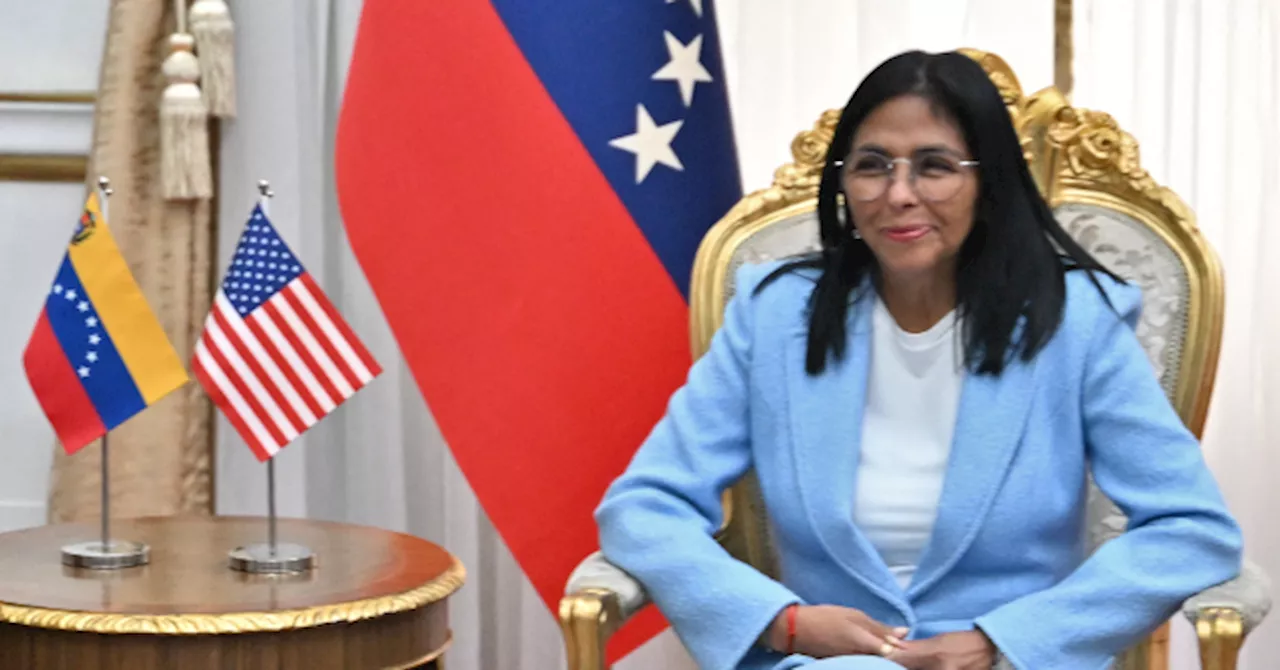
In a significant shift in diplomatic relations, Delcy Rodríguez, the interim leader of Venezuela, has publicly embraced cooperation with the United States, referring to President Donald Trump as a “friend” and “partner.” This evolving dynamic follows the recent arrest of former President Nicolás Maduro, marking a pivotal moment for Venezuela’s political landscape.
Rodríguez’s comments came during a recent event alongside Maduro’s son, Nicolás Maduro Guerra, and reflect a departure from the confrontational rhetoric typical of the previous administration. Notably, Trump has characterized Venezuela as a “new friend” of the United States, a sentiment echoed by Rodríguez. This newfound relationship raises hopes for the potential lifting of sanctions, improvements in human rights, and a reevaluation of Venezuela’s ties with countries such as Cuba, China, and Russia.
New Cooperation Agenda Between the US and Venezuela
During his State of the Union address, Trump highlighted the growing ties between the two nations, indicating that Venezuelan oil exports to the United States had exceeded 80 million barrels. This arrangement stems from a deal allowing American oil companies to operate within Venezuela, aimed at revitalizing its struggling oil industry. Despite possessing the world’s largest known oil reserves, Venezuela has grappled with production and refining challenges, largely due to socialist policies that have led to the loss of skilled labor.
Rodríguez responded positively to Trump’s characterization of Venezuela, emphasizing the need to end sanctions and blockades. She asserted that Venezuela has never posed a threat to the United States and expressed a desire for both countries to cooperate as friends. Rodríguez articulated a vision of a new cooperation agenda, one that she believes could benefit both nations significantly.
As the political situation evolves, she has also pledged to address human rights concerns, including the release of political prisoners. The previous regime under Maduro was notorious for silencing dissent through violence. Trump addressed this issue in his recent speech, inviting Enrique Márquez, a politician who challenged Maduro in the controversial 2024 election and was imprisoned, as a special guest. This gesture highlighted the ongoing struggles faced by anti-socialist individuals in Venezuela.
Challenges Ahead for Venezuela
Despite the optimism surrounding this new diplomatic approach, the path to improved relations is fraught with challenges. Rodríguez’s leadership will likely hinge on her ability to improve Venezuela’s human rights record and distance the country from alliances with nations viewed as adversaries by the United States. Reports suggest that she is taking steps to remove Cuban agents who have long held influence within the Venezuelan government.
In a recent statement, the Cuban regime confirmed that 32 soldiers died defending Maduro during his arrest. Meanwhile, no fatalities have been reported among Venezuelan military personnel. Additionally, there are indications that Rodríguez is overseeing the expulsion of Cuban security operatives and other personnel from Venezuela, a move aimed at asserting greater national sovereignty.
This shift in Venezuelan governance, marked by Rodríguez’s attempts to forge a new relationship with the United States, presents both opportunities and uncertainties. As the nation navigates this transformative period, the future of its political and economic landscape will depend significantly on the effectiveness of these diplomatic efforts and the international community’s response.
Rodríguez’s conciliatory tone represents a critical juncture for Venezuelan politics. The extent to which this new cooperation will materialize remains to be seen, but the stakes are undeniably high for both Venezuela and its potential partners in the United States.