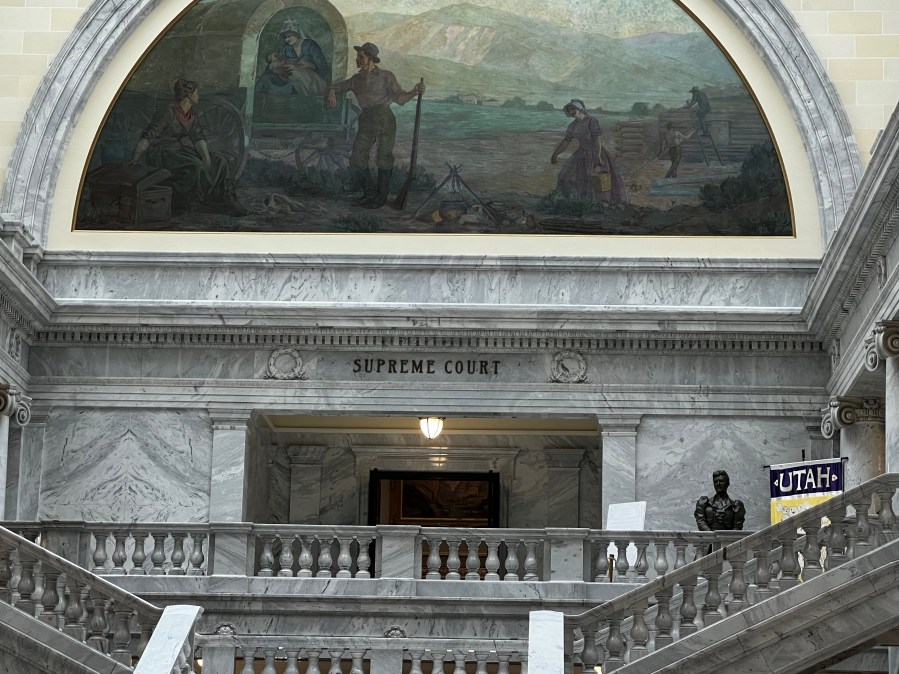
The Utah Supreme Court has dismissed the Utah Legislature‘s request to stay the implementation of new redistricting maps, a significant decision impacting the upcoming 2024 elections. The court’s ruling came on October 23, 2023, emphasizing a lack of jurisdiction over the legislative appeal.
In its decision, the court clarified that the matter at hand fell outside its purview. This ruling effectively upholds the redistricting maps that have been the subject of ongoing legal disputes. The redistricting process in Utah has drawn considerable attention due to its potential influence on electoral outcomes and representation in the state.
Background of the Redistricting Case
The redistricting maps in question were drawn following the 2020 census. The state legislature, tasked with creating fair electoral districts, faced criticism from various stakeholders, including advocacy groups and citizens who argued that the proposed boundaries could dilute representation for certain communities. Legal challenges arose as various parties sought to contest the maps, leading to court proceedings that scrutinized the fairness and transparency of the redistricting process.
The Utah Supreme Court’s latest ruling is crucial as it allows the maps to remain in effect without delay. The court’s stance signals a firm commitment to maintaining the timelines necessary for the 2024 elections. As a result, candidates and political parties can now proceed with their campaigns, knowing the district boundaries that will define their electoral landscapes.
Implications for Future Elections
With the court’s decision, the focus now shifts to how these redistricting maps will shape the political dynamics in Utah. Observers note that the new districts could significantly affect the balance of power in the state, particularly in closely contested areas. Analysts predict that the outcome of the elections could hinge on voter turnout and the effectiveness of campaign strategies within the newly drawn districts.
Critics of the redistricting process remain vocal about their concerns. Advocacy groups argue that the maps do not adequately represent the diverse populations within Utah, particularly in urban centers like Salt Lake City. They continue to advocate for reforms that promote greater equity in representation.
As the political landscape evolves, the implications of the Utah Supreme Court’s ruling will likely resonate beyond the state, serving as a case study for other jurisdictions grappling with similar redistricting challenges. The decision reinforces the significance of judicial oversight in the electoral process, highlighting the delicate balance between legislative authority and judicial review.
As the 2024 elections approach, all eyes will be on Utah to see how these developments unfold and what they mean for the future of political representation in the state.