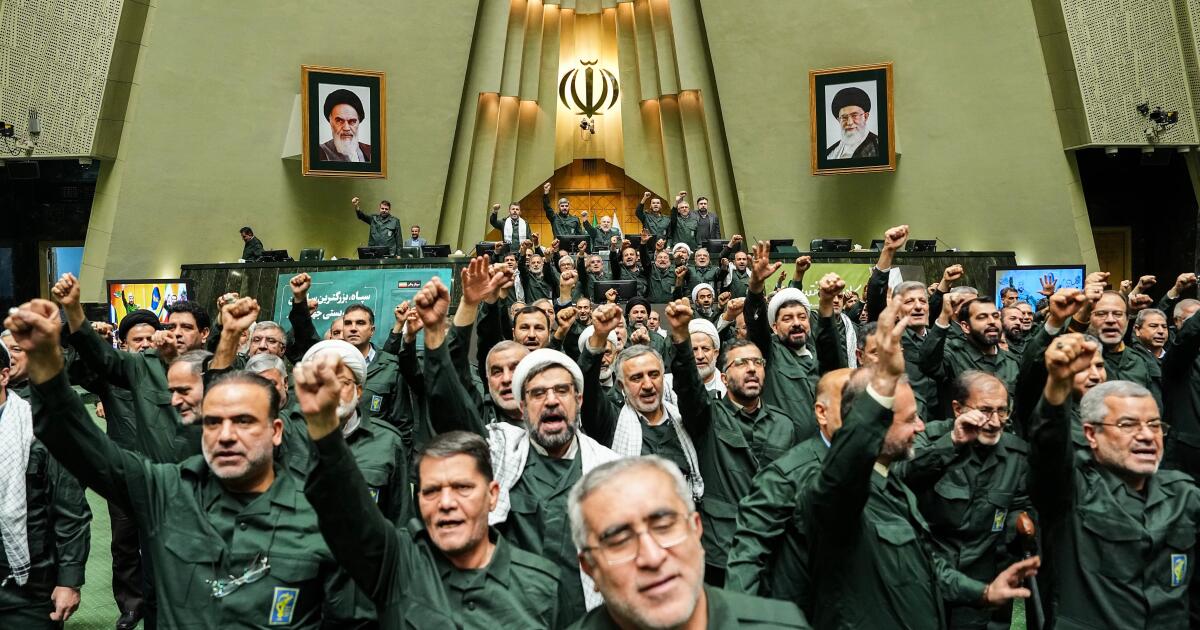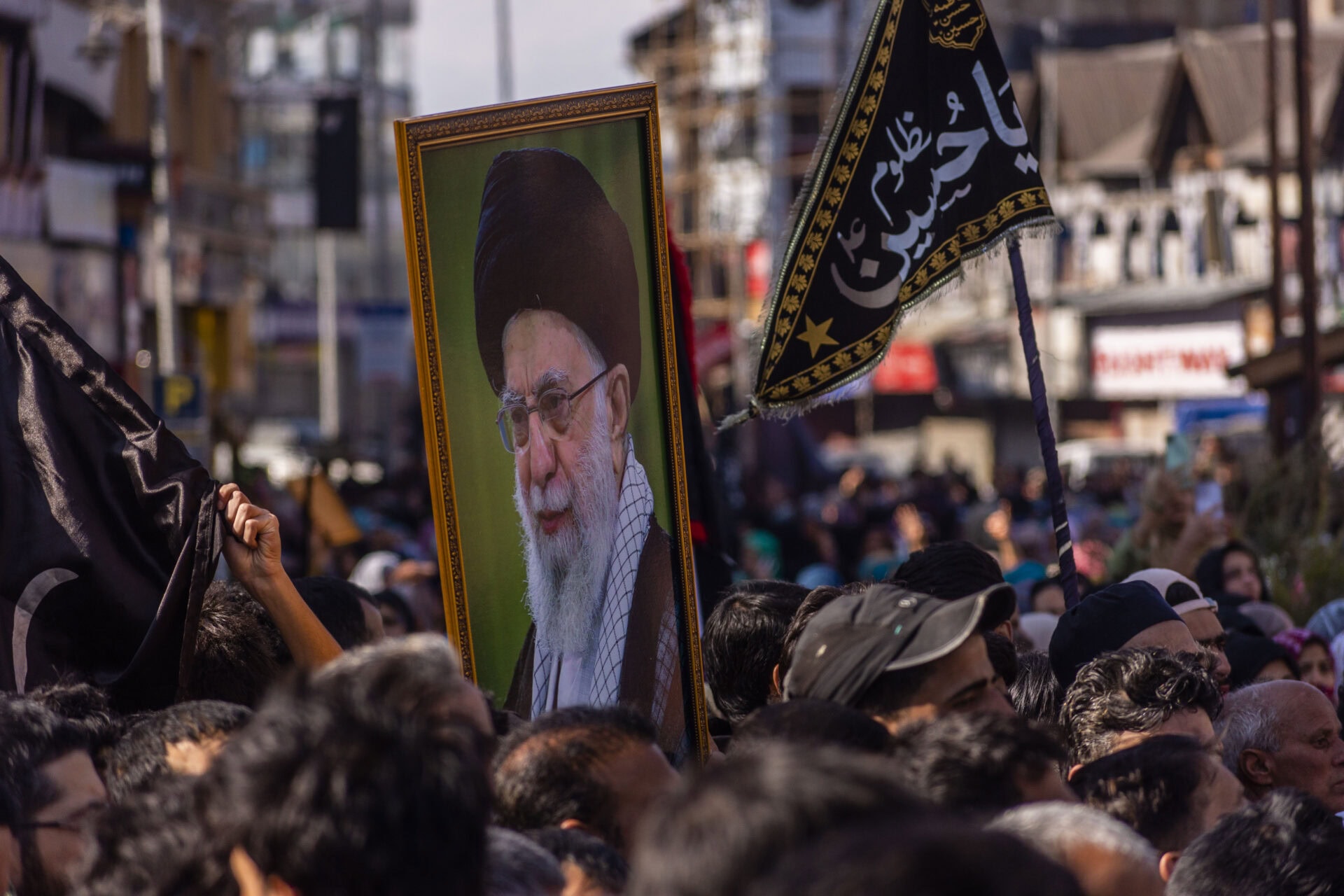
Recent developments indicate a potential tactical victory for the **United States** and **Israel** in their ongoing strategies concerning **Iran**. However, the broader implications of these actions remain uncertain. The situation unfolded against a backdrop of protests and political unrest, particularly highlighted by a demonstration in **Srinagar, India**, on **March 1, 2024**, following the death of Iranian Supreme Leader **Ayatollah Ali Khamenei**.
The protests reflect widespread discontent, not only in Iran but also among its neighboring countries. Demonstrators expressed their anger and frustration over Khamenei’s leadership, calling for change in a region fraught with tension. The political landscape in Iran is evolving, and the U.S. and Israel appear to be capitalizing on this moment to advance their objectives.
Shifting Dynamics in Iran
The demise of Khamenei has opened a new chapter in Iranian politics, raising questions about the future direction of the country. Analysts suggest that this shift could create a power vacuum that both the U.S. and Israel may seek to exploit. The strategic focus of both nations has been on curtailing Iran’s influence in the Middle East, particularly regarding its nuclear ambitions and support for militant groups.
While tactical victories may be within reach, the long-term outlook for both the United States and Israel remains complex. Any immediate gains might be undermined by internal strife within Iran or by regional actors responding to perceived threats. The potential for instability could lead to unforeseen challenges for U.S. and Israeli interests in the area.
International Reactions
The global community is closely monitoring these developments. Countries with vested interests in Iran’s future, including European nations and regional powers, are recalibrating their foreign policies in response to the changing dynamics. The protests in Srinagar also signal a broader regional discontent that could affect diplomatic relations across the Middle East and beyond.
The implications of Khamenei’s death are profound. It marks the end of an era in Iranian politics, potentially paving the way for reformist elements to gain traction. Yet, this is coupled with the risk of hardliners consolidating power in an attempt to preserve the existing order. The future of Iran, therefore, remains precarious, with significant implications for U.S. and Israeli strategies in the region.
In conclusion, while the **U.S.** and **Israel** may be achieving some tactical successes in influencing Iranian politics, the overall landscape is uncertain. The unfolding situation demands careful navigation as both nations seek to secure their interests while responding to the complexities of Iranian society and regional geopolitics. As events continue to evolve, close attention will be required to understand the full impact of these developments.