The race for the Colorado governorship is heating up as nearly two dozen Republican candidates prepare for the 2026 elections. With 21 candidates officially declaring their intention to run, the Republican Party is aiming to reverse a trend of Democratic dominance in the state. Jared Polis, the current governor, is term-limited and will not seek re-election, leaving the position open for a competitive primary and general election.
Since Colorado achieved statehood in 1876, it has seen a total of 38 governors, with only one Republican holding the office in the last two decades. The last five elections have resulted in significant victories for Democratic candidates, including Polis, who won re-election in 2022 by a remarkable 20% margin.
As Republicans prepare for the party primaries on June 30, 2026, followed by the general election on November 3, 2026, candidates are making their cases to voters across Colorado.
Leading Candidates in the Republican Primary
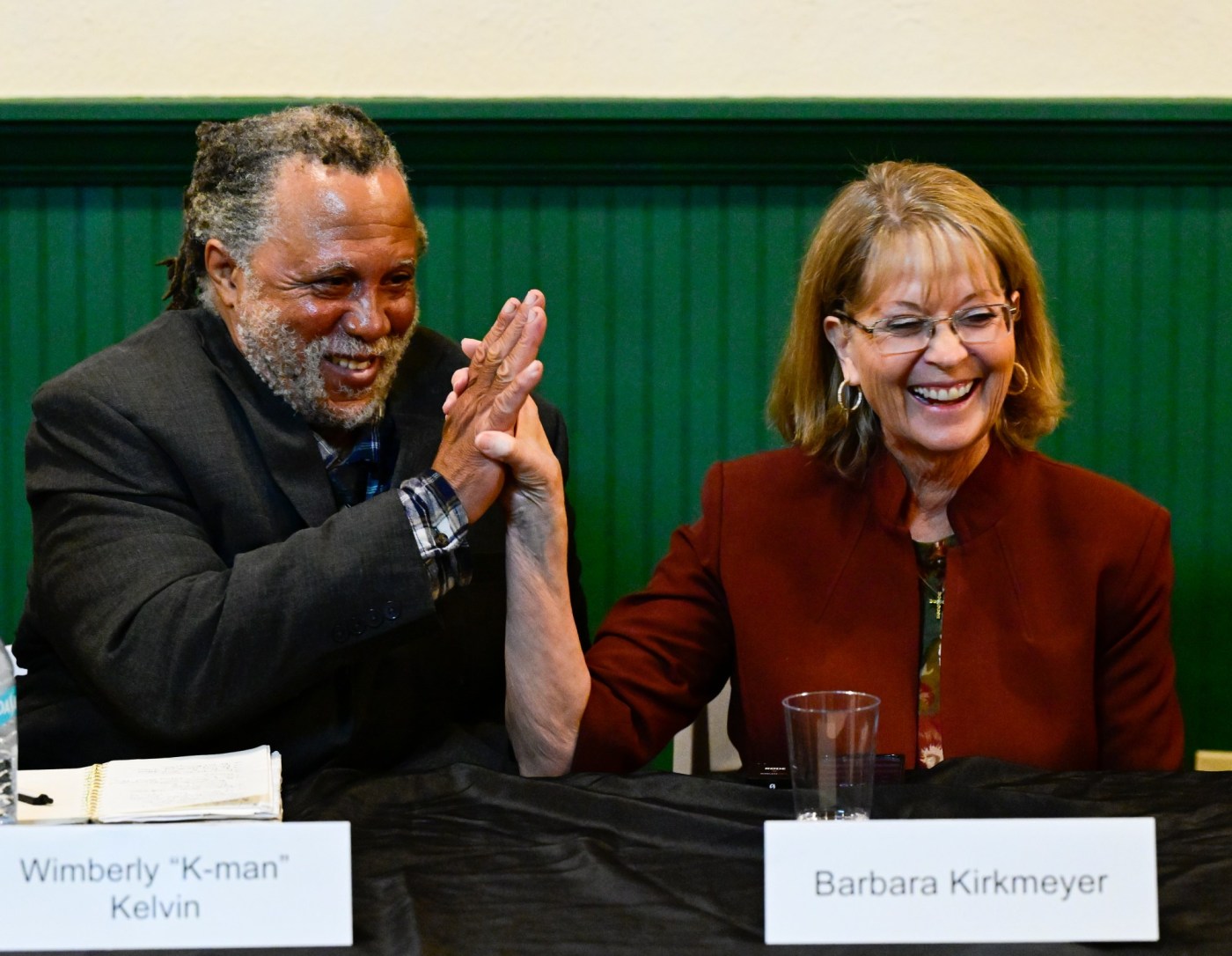
Among the frontrunners is Barb Kirkmeyer, who entered the race in September. Kirkmeyer, a former Weld County commissioner, has received endorsements from notable figures, including former Governor Bill Owens and U.S. Representative Gabe Evans. With a significant fundraising advantage of $54,932, she has raised approximately one-third of the total funds in the race. Owens lauded Kirkmeyer, stating, “She has core principles, vision, energy, and the ability to connect with people.”
Another prominent candidate is Greg Lopez, who is making his third bid for the governorship. Lopez, an Air Force veteran and former mayor of Parker, has also served as the 4th District congressman. He emphasizes the urgent need for leadership in Colorado, remarking, “The future of Colorado is on the line. We can’t afford to sit back.”
The field also includes Mark Baisley, a state senator with a background in technology, and Scott Bottoms, a Navy veteran and pastor from Colorado Springs. Both candidates have established themselves as serious contenders, with Baisley advocating for a bold approach to conservative governance and Bottoms criticizing what he describes as reckless spending and rising crime.
Rounding out the top five fundraisers is Jason Mikesell, a former special forces trainer and current Teller County sheriff. He has garnered support from various local officials and is focused on addressing pressing issues such as housing and public safety.
Emerging Contenders and Other Candidates
Among the other noteworthy candidates is Victor Marx, a Marine veteran and founder of All Things Possible Ministries, who has gained grassroots support. His humanitarian work has brought him national attention, and he is endorsed by U.S. Representative Lauren Boebert. Marx aims to lead with courage and prioritize community values over political agendas.
Additionally, Jason Clark, who has previously run for governor multiple times, is another candidate to watch. He is among the best-funded contenders and has a military background. Other candidates include Bob Moore, a tech executive and combat veteran, as well as several newcomers with varying backgrounds in public service and business.
As the primary approaches, candidates are working to distinguish themselves in a crowded field. Funding will play a critical role, as the top candidates—Baisley, Bottoms, Kirkmeyer, Lopez, and Mikesell—have collectively raised 68%, or $386,479, of the total funds in the race.
The Democratic side is also preparing for the election, with seven candidates having filed for the governorship. The Republican nominee will face tough competition, especially in a state that has leaned Democratic in recent years.
In addition to the gubernatorial race, elections for other statewide offices are also underway, with candidates vying for positions such as Secretary of State and Attorney General. The political landscape in Colorado is set for an exciting election cycle, with significant implications for the state’s future governance.
Candidates must secure at least 30% of delegate votes at the party assembly or meet other criteria to appear on the ballot. As the campaigns gain momentum, the strategies and platforms of these candidates will become clearer, ultimately shaping the direction of Colorado’s political future.