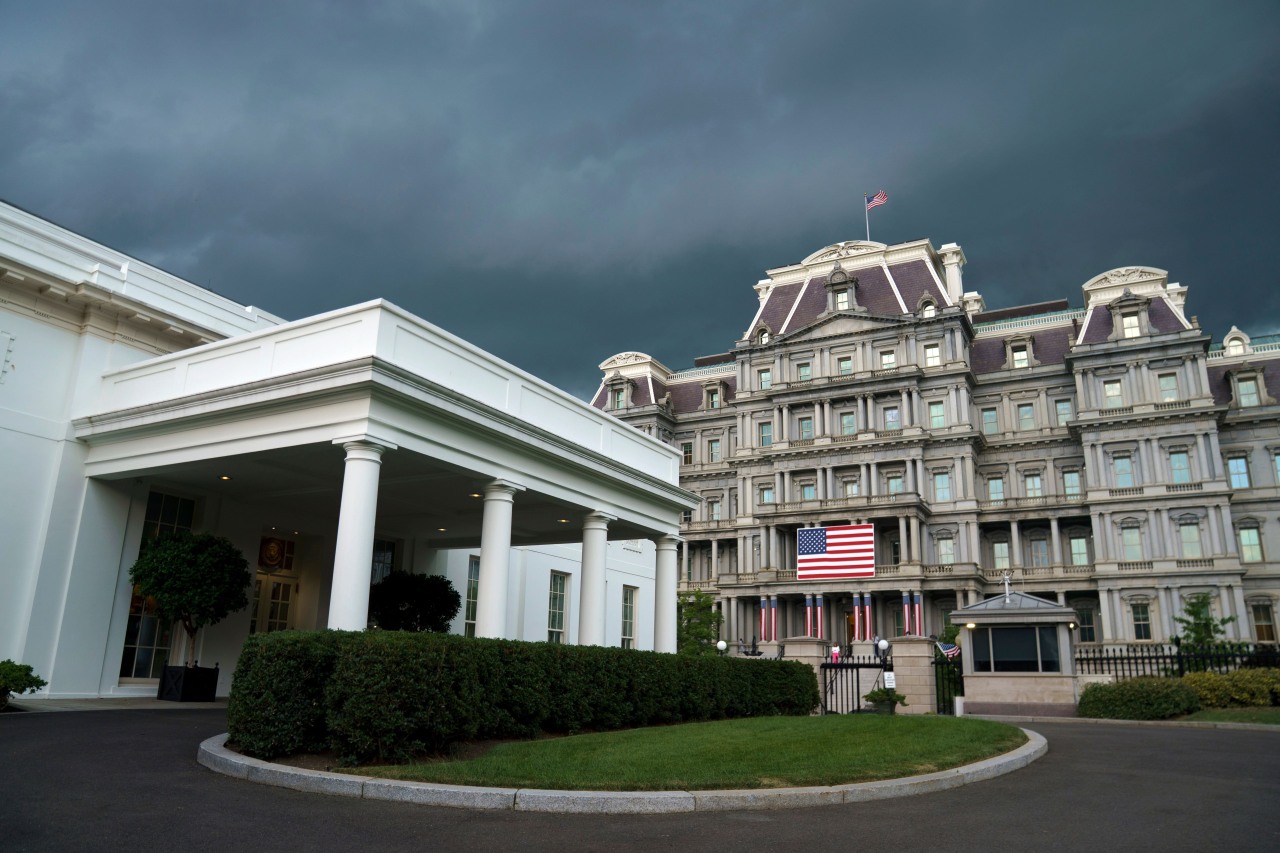
Since returning to the White House, Donald Trump has embarked on an ambitious renovation project. His plans, which include painting a historic federal building white and constructing a new ballroom, have led to escalating legal disputes with nearby residents. These developments have raised significant concerns regarding the implications of such renovations in a sensitive and historically rich area of Washington, D.C..
Neighbors have voiced their objections, arguing that the changes could disrupt the character of the neighborhood and impact property values. The proposed alterations, particularly the painting of the federal building, have drawn criticism due to their potential to alter the aesthetic integrity of the area. Legal challenges have already begun, with residents seeking to halt the renovations on the grounds that they violate local zoning laws.
The White House has yet to respond publicly to the legal challenges. However, the administration remains committed to its renovation goals, emphasizing the need for modernization and improvement of the historic residence. Advocates for the project argue that upgrades are essential for the White House to remain functional in the contemporary political landscape.
Community Response and Legal Implications
The legal disputes have sparked a broader conversation about the responsibilities of public figures when it comes to renovations in historic districts. Community leaders are calling for a thorough review of the renovation plans to ensure they comply with guidelines established for federally designated historic areas.
Local regulations stipulate that any modifications to historic buildings must preserve their character. The current legal challenges could set a precedent for how future renovations are handled, not only in Washington but across the nation. Residents are concerned that if the renovations proceed without consideration for these regulations, it may open the floodgates for similar projects that could threaten the integrity of historic neighborhoods.
Financial Considerations and Future Prospects
The financial implications of the proposed renovations are also significant. The costs associated with painting and constructing the new ballroom are estimated to run into the millions. While specific figures have not been disclosed, the financial burden on taxpayers could become a contentious issue as legal proceedings unfold.
Opponents of the renovations are not only questioning the legality but also the necessity of such extravagant projects at a time when many communities face pressing social and economic challenges. They argue that resources could be better allocated to address issues such as housing and education rather than on aesthetic upgrades to the presidential residence.
As the legal battles proceed, the outcome will likely influence future renovation projects in the area. The tension between modernization and preservation continues to be a focal point in discussions surrounding the White House, with both supporters and detractors passionately weighing in on the matter.
The situation remains fluid, with potential for further developments in the coming weeks. As the community and legal representatives prepare for upcoming court dates, the fate of Trump’s renovation plans hangs in the balance.