Donald Trump has announced a significant trade move that could impact several European nations. Over the weekend, he declared that Denmark, Norway, Sweden, France, Germany, the United Kingdom, the Netherlands, and Finland would face a 10% tariff starting on February 1, 2024, escalating to 25% on June 1, 2024. This tariff imposition hinges on Trump’s demand for the U.S. to be allowed to purchase Greenland, a territory that has become a focal point in his administration’s foreign policy discussions.
Trump has repeatedly cited national security as the primary reason for his interest in Greenland, arguing that if the U.S. does not act, countries like Russia and China may increase their influence there. However, analysts suggest that the real motivation may lie in Greenland’s vast reserves of rare earth minerals. These resources are critical for technological manufacturing and military applications, and controlling them could significantly reduce the U.S.’s dependence on Chinese exports.
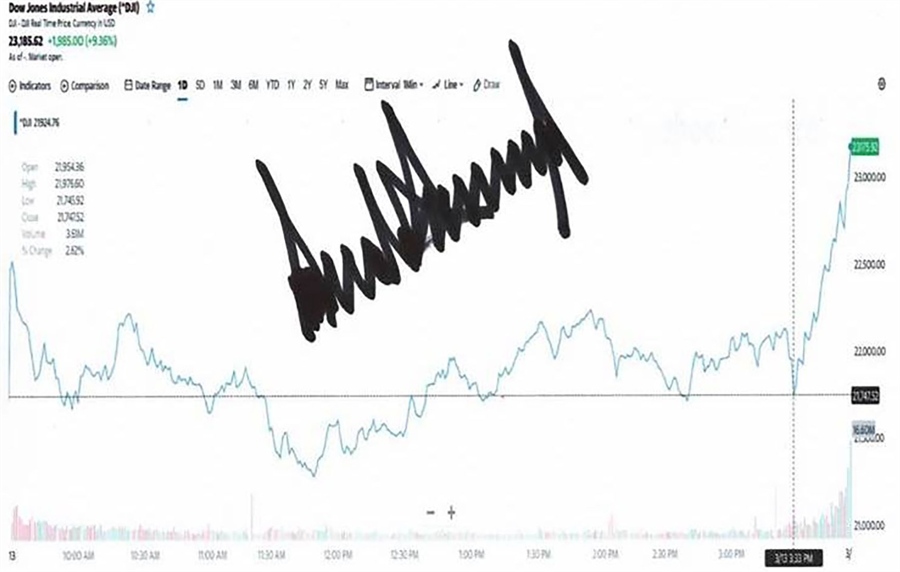
In recent months, Trump has utilized tariff threats as a strategic tool to compel other nations to meet his demands. He has consistently set future dates for these tariffs to take effect, creating a sense of urgency in negotiations. This approach has led to what some analysts have termed the “TACO” trade—short for “Trump Always Chickens Out.” This phenomenon occurs when markets initially react negatively to his threats but ultimately rally once an agreement is reached or when Trump retracts his demands to avoid market damage.
Trump’s fixation on the stock market is well-documented; he often touts record highs as a reflection of his administration’s success. With the upcoming midterm elections in 2024, he is likely to tread carefully regarding tariffs, as any negative impact on the stock market could undermine his appeal to voters.
The timing of this tariff announcement comes as the World Economic Forum convenes in Davos from January 19 to 23, 2024. Trump is scheduled to attend on January 24, where he may have an opportunity to meet with other leaders from the G7. Observers are keenly watching for any signs of de-escalation in rhetoric, which could positively influence market reactions.
The current focus of the markets is squarely on this latest trade conflict. Despite expectations of an initial negative reaction following Trump’s tariff threats, analysts suggest that any potential upside in the stock market may remain limited, particularly if the uncertainty persists. Investors are advised to keep an eye on developments in the coming days, as they may create new trading opportunities.
As the situation unfolds, the implications of Trump’s tariff strategy and its impact on international relations, especially with Europe, will be critical to monitor. The outcome could shape not only economic policies but also global alliances moving forward.