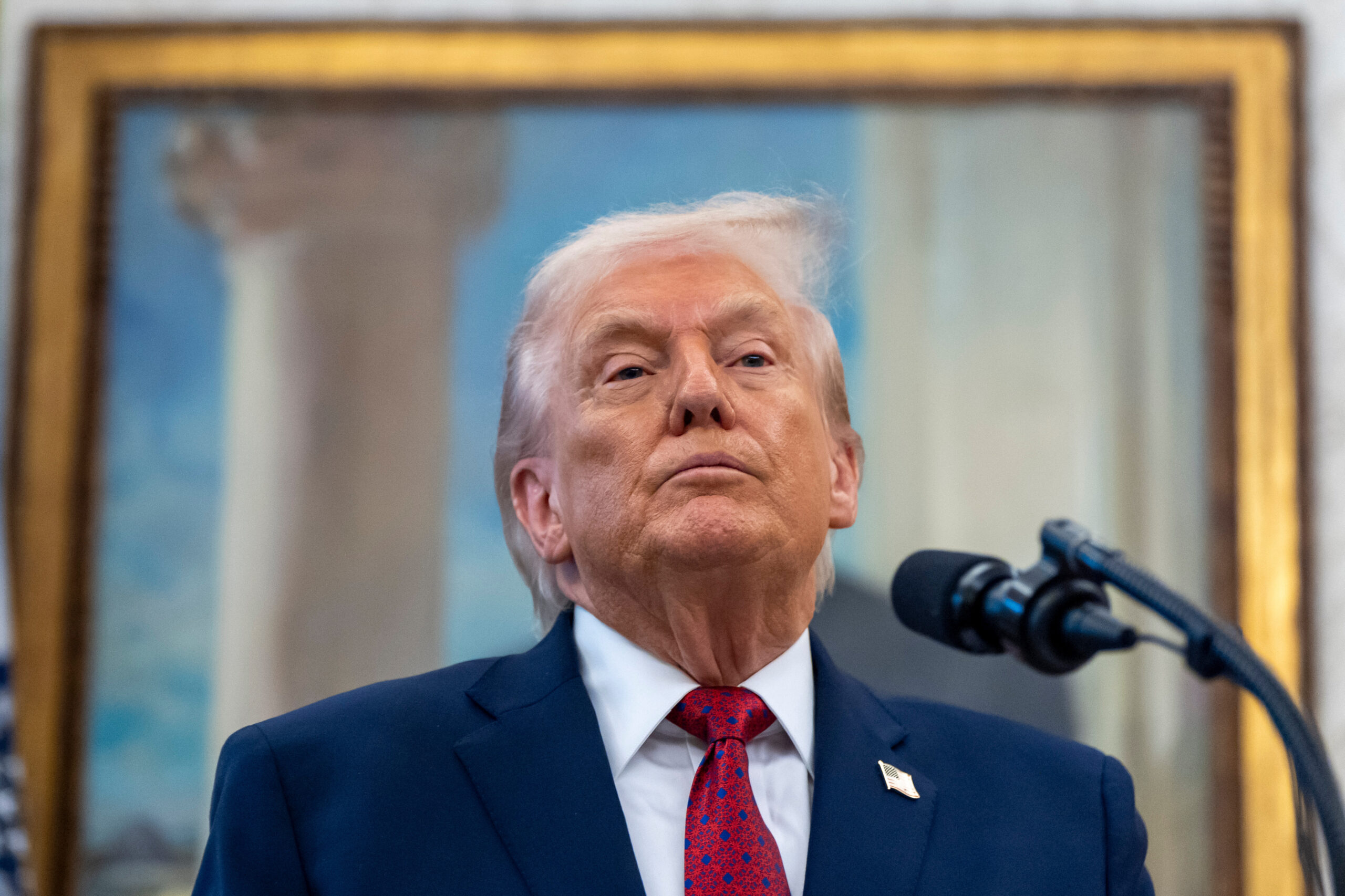
Former President Donald Trump has officially declared fentanyl a “weapon of mass destruction,” a designation that may significantly reshape U.S. policy regarding drug trafficking and foreign relations, particularly with China. This announcement came during a public address in Florida, where Trump emphasized the urgent need to combat the opioid crisis affecting communities across the nation.
The classification of fentanyl as a weapon of mass destruction underscores the severity of the crisis. According to the Centers for Disease Control and Prevention (CDC), synthetic opioids like fentanyl accounted for over 70,000 overdose deaths in the United States in 2021 alone. By elevating the status of fentanyl, Trump aims to mobilize federal resources and international cooperation in addressing the drug’s influx from China.
Impact on U.S.-China Relations
Trump’s declaration could lead to a more aggressive approach towards China, which has been identified as a primary source of fentanyl and its analogs. The former president’s administration previously took a hard stance on trade and diplomatic relations with China, and this latest move may further escalate tensions.
In a statement, Trump said, “We cannot allow this poison to continue flooding into our nation. By deeming fentanyl a weapon of mass destruction, we send a clear message that we will take decisive action against those who supply it.” This rhetoric suggests a potential shift in how the U.S. engages with China on drug trafficking issues, possibly leading to stricter sanctions or military considerations.
The implications of this designation extend beyond foreign policy. It also signals an increased urgency for military readiness within the Western Hemisphere. Trump’s administration has previously championed military investments aimed at enhancing national security. With the new classification, there may be calls for increased funding and resources to combat drug trafficking at all levels.
Broader Implications for Policy and Law Enforcement
This declaration could influence various sectors, including law enforcement and public health initiatives. Federal agencies may receive new mandates to prioritize investigations into fentanyl trafficking networks. Local law enforcement may also see increased funding to help combat the opioid crisis, which has devastated many communities across the country.
Public health experts have warned that while the declaration raises awareness, it is essential to address the root causes of addiction and provide adequate resources for treatment and recovery. “Labeling fentanyl as a weapon of mass destruction is powerful, but we must not forget the individuals struggling with addiction,” said Dr. Robert Anderson, a public health expert at the Johns Hopkins Bloomberg School of Public Health. He emphasized the importance of a balanced approach that combines law enforcement with health care initiatives.
As the implications of this declaration unfold, it remains to be seen how the current administration will respond to the challenges posed by fentanyl and its sources. The international community will likely watch closely as the U.S. navigates this complex issue, balancing national security with the need for effective public health strategies.