The MAGA movement is experiencing significant internal strife as key leaders publicly clash over ideological differences and alleged conspiracies. Figures such as Ben Shapiro, Tucker Carlson, and Steve Bannon are embroiled in heated debates, particularly surrounding controversial figures like Nick Fuentes. While some anticipated these conflicts would strengthen the movement, they have instead highlighted a growing disillusionment among supporters who feel betrayed by unfulfilled promises.
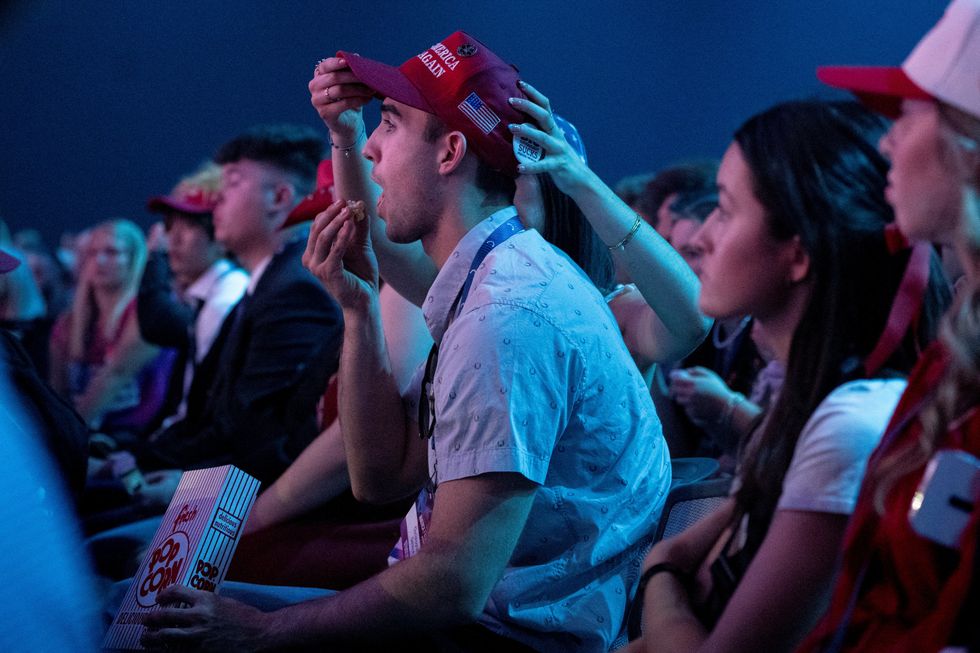
At the heart of this discontent lies a sense of unreciprocated loyalty. Many MAGA supporters believed in a shared vision of prosperity that would benefit them financially. Instead, they find themselves grappling with rising living costs, stagnant wages, and a perception that their needs have been overlooked. The reliance on divisive rhetoric and conspiracy theories has diverted attention from the economic struggles faced by many.
The economic landscape has further complicated Trump’s position. According to economist Paul Krugman, the United States is currently experiencing a K-shaped economy, where the wealthy continue to prosper while a significant portion of the population struggles. This disparity has left many MAGA supporters questioning the effectiveness of Trump’s leadership, especially as basic necessities become increasingly unaffordable.
As the movement grapples with these challenges, the impact on Trump’s influence is becoming evident. His base, initially drawn to him out of grievance and a desire for change, is now reassessing their loyalty. The complex interplay of economic hardship and cultural grievances has led to a growing realization that Trump has not delivered the improvements they expected.
The fallout is visible among prominent MAGA figures. Marjorie Taylor Greene and Elise Stefanik have faced increasing scrutiny, and their positions within the movement appear vulnerable. The ongoing conflicts not only undermine their authority but also signal a potential fracturing of a once-unified front.
Democrats are capitalizing on this discontent by promoting a message centered on economic equity. Their focus on making life more affordable for all citizens, coupled with a commitment to holding the wealthy accountable, appears to resonate with disillusioned voters. The Democratic narrative contrasts sharply with MAGA’s perceived failures, particularly in regulating business and protecting civil rights.
As the political landscape shifts, the future of MAGA remains uncertain. While diehard supporters may remain loyal, a growing number are reevaluating their allegiance. The movement’s recent turmoil raises critical questions about its sustainability as internal divisions threaten to weaken its influence on the broader political discourse.
In this complex environment, the outcome of the 2024 elections will likely hinge on how effectively both sides address the concerns of voters feeling the pinch of economic uncertainty. The MAGA movement’s ability to unite its base and present a cohesive vision will be pivotal as it navigates these challenges.
As the situation unfolds, the implications for Trump’s political career and the future trajectory of the MAGA movement will be closely watched. The discontent brewing within the ranks could reshape the political landscape in ways that neither Trump nor his supporters anticipated.