The ongoing conflict in the Middle East, particularly involving Iran, has prompted discussions in the White House about innovative strategies to manage rising oil prices. As tensions escalate, U.S. oil and gas production could play a crucial role in stabilizing energy costs, according to Stephen Moore, co-founder of Unleash Prosperity. He emphasized that record production levels might help mitigate the impact of geopolitical unrest on gasoline prices.
Insurance as a Tool for Stability
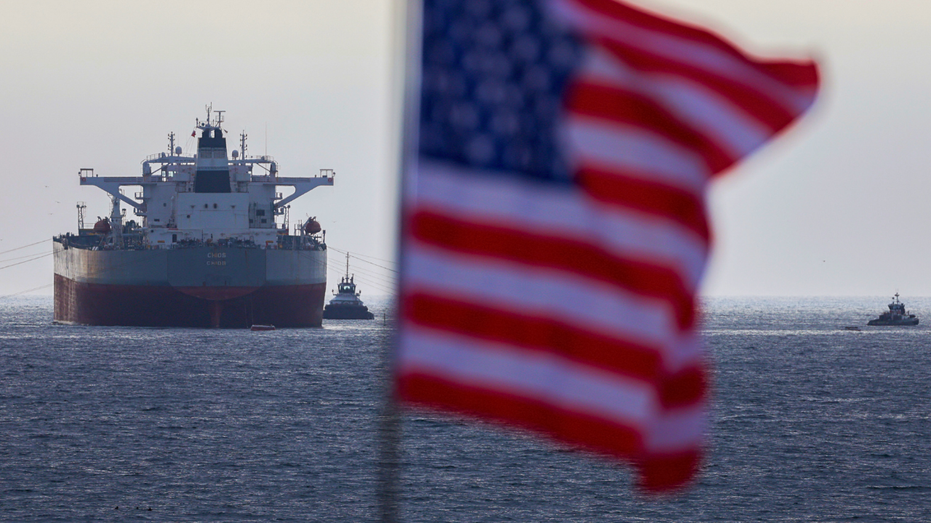
The Strait of Hormuz, a critical maritime passage that facilitates the transport of approximately 20 million barrels of oil per day, is at the center of this discussion. This narrow corridor is vital for global energy supply, accounting for about one-fifth of the world’s liquefied natural gas. Given the region’s strategic importance, even the slightest disruption can send shockwaves through the oil market.
In response to rising prices and potential supply disruptions stemming from recent U.S.-Israeli strikes on February 27, 2026, the White House is exploring the use of government-backed insurance programs. President Donald Trump suggested that such a program could lower war-risk premiums for vessels navigating this perilous route. By underwriting some of the potential losses, the government could ease the financial burden on private insurers and shipping companies.
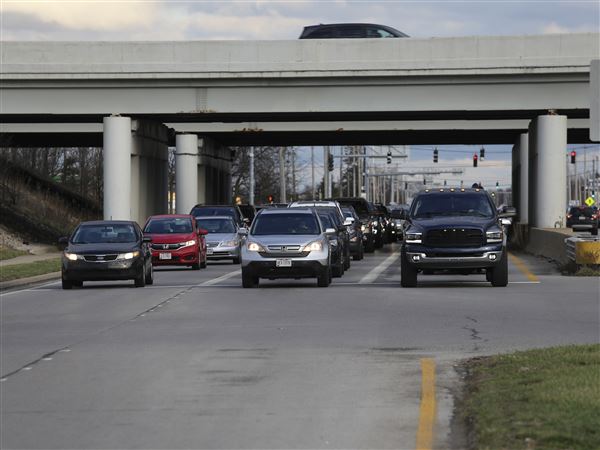
As conflict escalates, insurers typically raise premiums to cover the increased risk. This results in higher shipping costs, which can further drive up gasoline prices for consumers. With the current geopolitical tensions, shipping companies are reassessing the safety of their operations in the region, leading to delays and potential shortages.
Market Reactions and Insurer Responses
Recent military actions, including Iranian drone and missile attacks, have already led some prominent insurers to tighten coverage terms. Major maritime insurance providers like Gard, Skuld, and the London P&I Club have reportedly canceled war-risk coverage for voyages through Iranian waters, leaving many vessels without necessary insurance. Conversely, Lloyd’s of London has confirmed that its vessels operating in the Gulf still maintain coverage, underscoring the complex landscape of maritime insurance at this time.
Analysts note that insurance coverage is a fundamental necessity for ships passing through the Strait of Hormuz. Matt Smith, an analyst at Kpler, remarked, “It’s essential for all of these tankers to have insurance. You simply cannot pass through the Strait of Hormuz if you don’t have the insurance, given the high possibility of getting struck by a missile.” While insurance may provide some level of protection, it does not eliminate the inherent risks associated with navigating these treacherous waters.
In light of these developments, shipping giant Maersk has announced a suspension of all vessel crossings through the Strait of Hormuz until further notice. This decision reflects the broader trend of caution among major shipping companies, who recognize that supply chain disruptions can have immediate consequences for global oil prices and, ultimately, consumers.
The implications of these developments could be significant. Should oil shipments become more expensive or delayed, the resulting cost increases are likely to trickle down through the supply chain, affecting consumers at the pump. The duration of these disruptions and the stability of shipping and insurance markets will determine the extent to which Americans feel these impacts.
As the situation evolves, the Strait of Hormuz remains a focal point for global energy security, with traders and consumers alike on alert for further developments. With the potential for significant shifts in oil prices and supply, the interplay between military actions, insurance markets, and energy production will be critical in shaping the immediate future of energy costs.