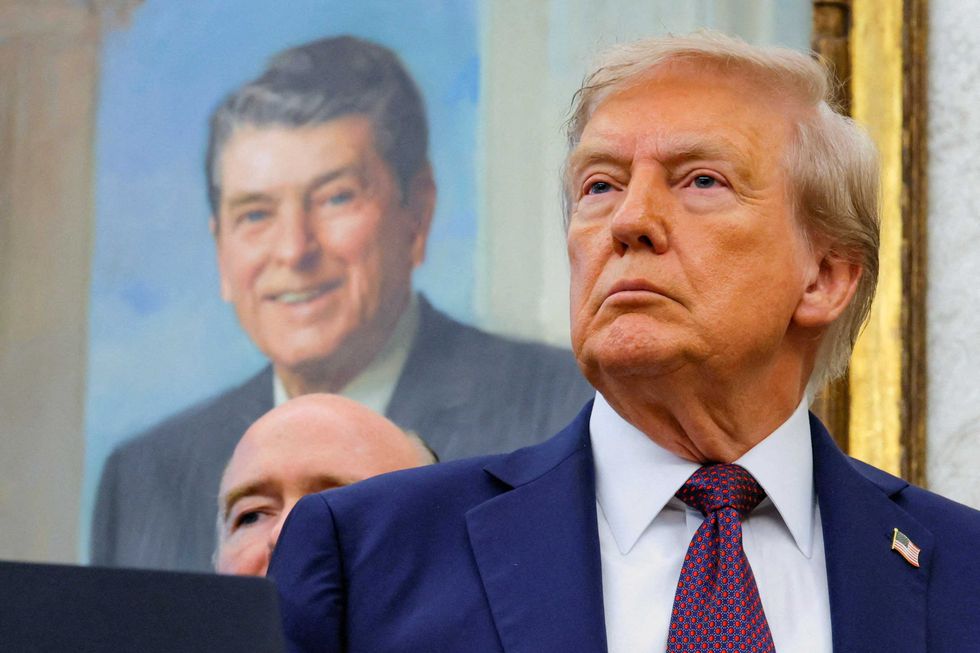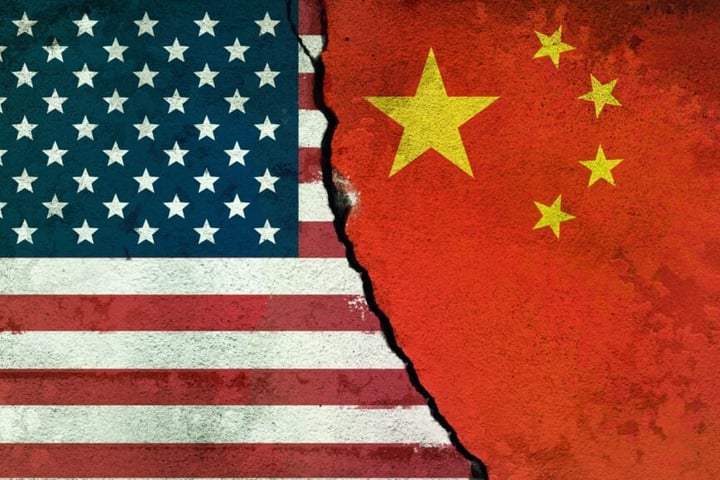
President Donald Trump will travel to China from March 31 to April 2, marking his first official visit since returning to the White House. This trip signals a potential shift in high-level diplomacy between Washington and Beijing amid ongoing trade tensions and security discussions. The visit follows recent communications with Chinese leader Xi Jinping and is expected to focus on several critical issues affecting bilateral relations.
Officials from the White House have described recent communications between the two nations as “excellent” and indicative of “good communication,” according to reports from Al Jazeera. This diplomatic engagement aims to stabilize relations that have been strained over recent years.
Visit Significance and Agenda
Trump’s upcoming trip is notable as it represents the first presidential visit to China since 2017. In past remarks, he expressed excitement about the journey, stating, “That’s going to be a wild one.” He emphasized the importance of making a strong impression during the visit, declaring, “We have to put on the biggest display you’ve ever had in the history of China.” This enthusiasm underscores the high expectations surrounding the upcoming meetings.
The announcement comes on the heels of a Supreme Court ruling that struck down tariffs previously imposed by Trump on various countries. Trade policy will likely be a significant component of discussions, especially after indications from Beijing that they may retaliate against U.S. agricultural exports, particularly soybeans, which have historically been a major component of U.S. exports to China.
Geopolitical Context and Economic Implications
In recent months, China has engaged with several Western leaders, promoting innovations in electric vehicles and renewable technologies. The United States continues its military cooperation with Taiwan, a contentious issue that complicates relations with Beijing. Analysts anticipate that the upcoming discussions will cover tariffs, defense strategies, and the technological rivalry between the two nations.
Trump has consistently advocated for expanding domestic fossil fuel production, while China has made significant investments in clean energy. This juxtaposition highlights the differing priorities and approaches to energy policy between the two countries.
This visit also marks Trump’s first trip to China since the onset of the COVID-19 pandemic, which severely impacted international relations and travel. Since reopening its borders in 2023, Beijing has intensified diplomatic outreach and cultural exchanges, welcoming various Western politicians and popular figures from the United States.
As both nations navigate this complex landscape of economic and security issues, the outcomes of Trump’s visit may have lasting implications for U.S.-China relations.