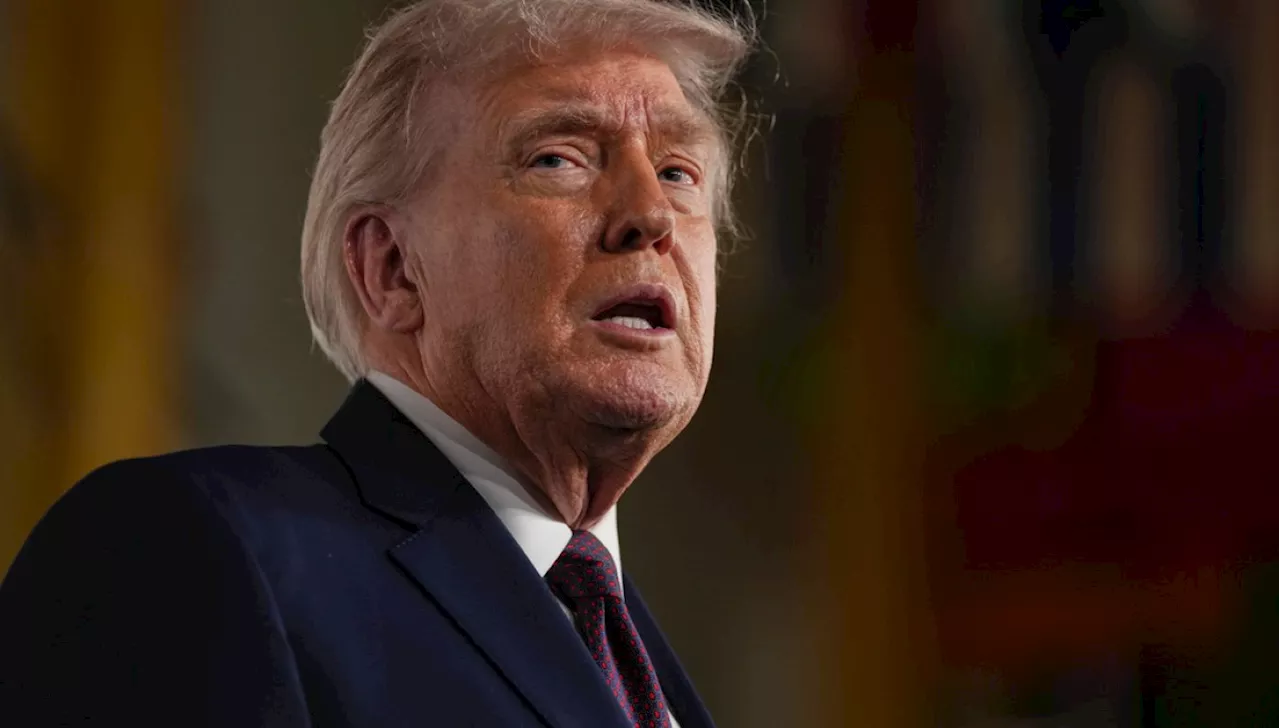
Former President Donald Trump proposed the idea of “nationalizing the voting” system in the United States during an appearance on Dan Bongino’s podcast. As the midterm elections approach, Trump emphasized the need for a more centralized approach to election oversight, suggesting that some states cannot be trusted to manage elections fairly.
In the podcast, which marked Bongino’s return to media following his tenure at the FBI, Trump expressed dissatisfaction with the Republican Party’s current approach to election integrity. He criticized the party for not being assertive enough in addressing what he termed “lax election rules” and improper voting practices. Trump stated, “Amazing that the Republicans aren’t tougher on it,” and urged them to take action by suggesting, “The Republicans ought to nationalize the voting. We have states that are so crooked.”
While Trump did not specify which states he believes should be targeted for this nationalization or outline a clear legal pathway to implement such changes, his comments reflect a growing concern within his party regarding election integrity. White House spokesperson Abigail Jackson supported Trump’s stance, asserting that he “cares deeply about the safety and security of our election,” and pointed to his advocacy for the SAVE Act. This proposed legislation aims to introduce stricter voting requirements, including no-excuse mail-in voting and photo ID mandates.
The conversation around nationalizing elections raises significant constitutional questions. The U.S. Constitution grants states the authority to regulate the “time, place, and manner” of elections, with Congress possessing limited power to modify these rules. Legal experts have indicated that any attempt to federalize election administration would likely face substantial legal challenges.
Trump reiterated his claims about the 2020 presidential election, asserting that he won the race against Joe Biden. Following his defeat, Trump and his allies pursued various legal avenues to contest the results, which ultimately proved unsuccessful. This ongoing narrative has fueled tensions between federal officials and state election authorities, particularly as Trump’s administration has filed lawsuits against more than 20 states seeking access to voter data.
The implications of Trump’s comments on nationalizing elections come at a time when the Republican Party is grappling with internal divisions and external pressures. As the midterm elections draw nearer, discussions around election integrity are likely to intensify. Trump has previously indicated that he fears potential impeachment if Democrats regain control of the House, recalling the party’s successful takeover in 2018 during his first term, which led to multiple investigations against him.
As the debate over election administration unfolds, it intersects with broader political issues, including discussions regarding a partial government shutdown that could impact various government departments. The Republican push to include election integrity measures in budget negotiations has prompted resistance from Democrats, who warn that such provisions could exacerbate tensions and prolong a potential shutdown.
Trump’s appearance on Bongino’s podcast attracted nearly 200,000 live viewers, highlighting the ongoing interest in his political commentary. Despite experiencing technical difficulties during the broadcast, the conversation provided a platform for Trump to articulate his views on a topic that remains pivotal as the nation heads into the crucial midterm elections.
With the stakes high, Trump’s call for a more centralized voting system will likely resonate within certain factions of the Republican Party, as they navigate the complex landscape of election integrity and public sentiment leading up to November.