A senior official from the U.S. Department of Defense has publicly accused Anthropic, the artificial intelligence company, of “lying” regarding its Claude AI system and its intended military applications. The Pentagon has demanded that Anthropic lift certain limitations on the AI’s use by military personnel, threatening to remove the system from its operations and label the company a “supply chain risk” if the firm does not comply by a deadline of March 15, 2024.
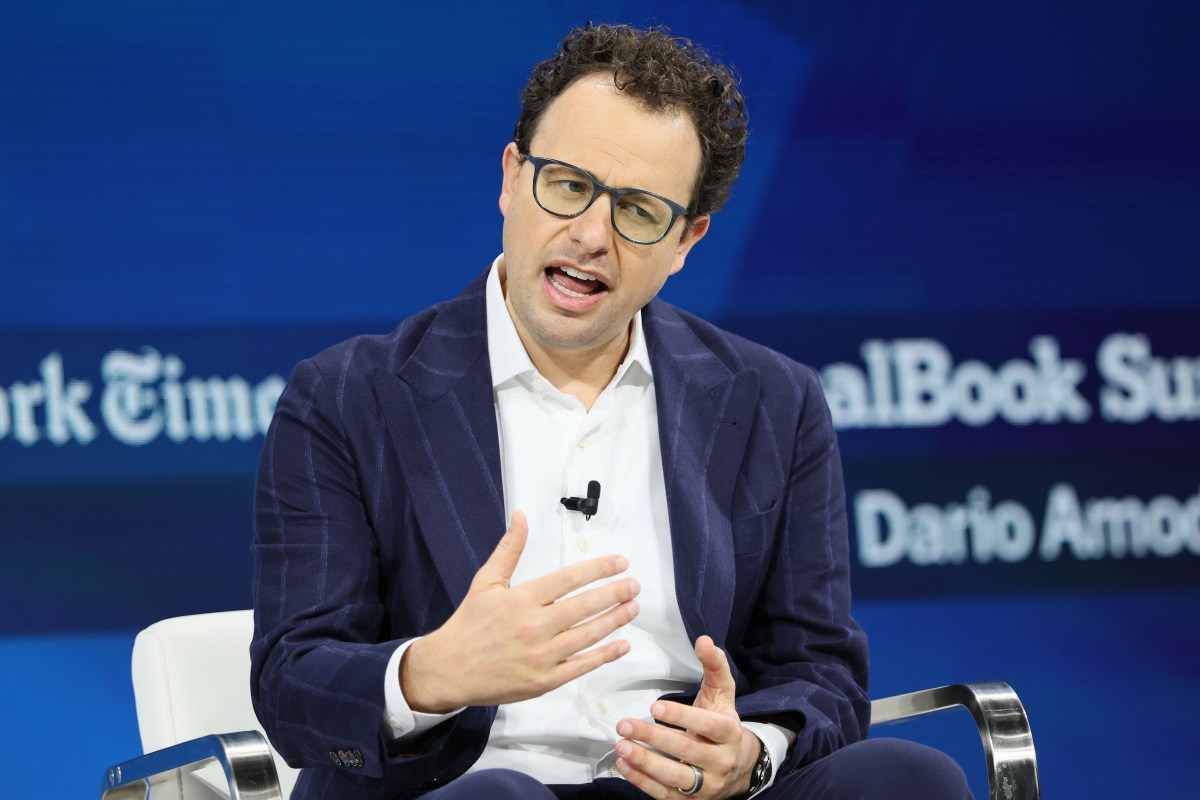
The escalating tension stems from a statement made by Dario Amodei, co-founder and CEO of Anthropic, who has refused to permit the AI’s deployment for “mass domestic surveillance” or “fully autonomous weapons.” In a direct response, Emil Michael, Under Secretary of War, criticized Amodei on social media, asserting that the military does not engage in mass surveillance, as such practices are illegal.
Michael argued for the necessity of AI in military operations, stating, “What we are talking about is allowing our warfighters to use AI without having to call Dario Amodei for permission to shoot down enemy drone swarms that would kill Americans.” His remarks reflect a growing urgency within the military to utilize AI technologies effectively in combat situations.
In a series of posts, Michael further accused Amodei of exhibiting a “God-complex” and attempting to exert control over military operations, suggesting that his actions jeopardize national security. In defense of his company’s position, Amodei contended that Anthropic has “worked proactively to deploy our models to the Department of War and the intelligence community.”
The Department of Defense, previously referred to as the Department of War during the Trump administration, has not formally changed its name, as such a modification requires legislative approval. Amodei emphasized the importance of AI in safeguarding the United States and allied democracies against authoritarian threats, while maintaining that military decisions are the responsibility of the Department of War, not private entities.
“We have never raised objections to particular military operations nor attempted to limit the use of our technology in an ad hoc manner,” Amodei stated. He highlighted that while AI has the potential to enhance defense capabilities, there are instances where its use could undermine democratic values.
In closing, Amodei noted, “Some uses are also simply outside the bounds of what today’s technology can safely and reliably do.” As this situation continues to develop, the implications of these discussions will likely have far-reaching effects on the future of AI technology in military contexts.
Further updates will be provided as this story unfolds.