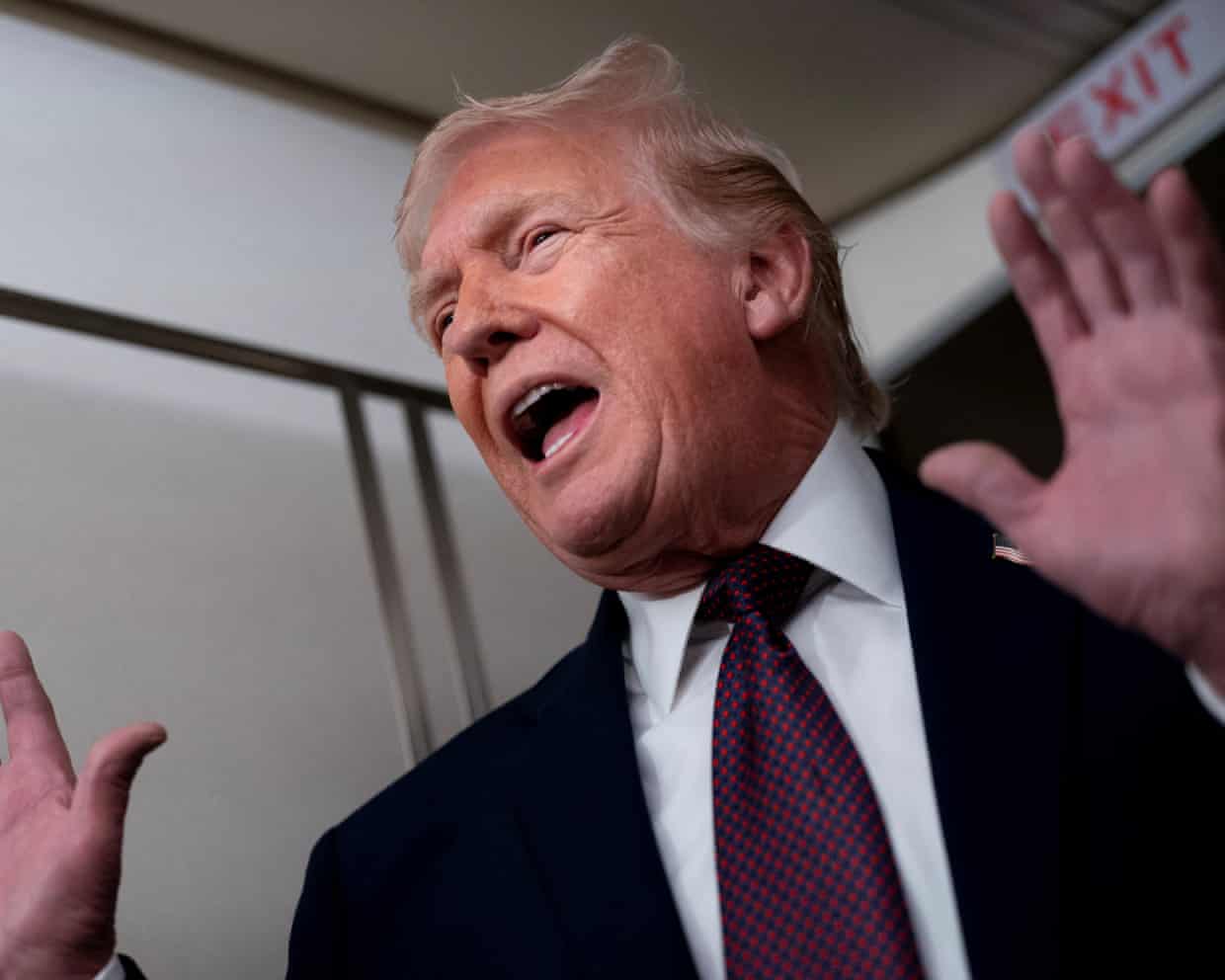
Oil and gas prices have surged in response to the ongoing conflict in Iran, prompting President Donald Trump to shift his narrative surrounding energy costs. Previously, Trump highlighted low gas prices as a sign of economic strength. Now, he claims that rising oil prices could benefit the United States by generating substantial revenue due to the nation’s robust oil production capabilities.
The volatility in oil prices is creating a challenging political landscape for Trump as the November midterm elections approach. Voters are increasingly concerned about rising costs at the pump, which could influence their decisions at the ballot box. This predicament places Trump’s desire to project American strength on the global stage in direct conflict with the economic realities faced by many citizens.
As tensions escalate in the region, Trump has communicated mixed signals regarding his approach to safeguarding shipping routes, specifically the Strait of Hormuz, a critical passage for oil tankers. His administration has also considered whether to utilize the U.S. strategic oil reserves to help stabilize prices. The President’s varying statements have raised questions about the coherence of his energy strategy in light of these developments.
In recent remarks, Trump expressed optimism about the U.S. oil sector, suggesting that increased production could offset some of the financial pressures stemming from the conflict. This assertion reflects a broader strategy aimed at reinforcing America’s energy independence while navigating the complex geopolitical dynamics resulting from the situation in Iran.
The recent surge in oil prices, which have increased by over 20% since the conflict began, poses significant implications for the U.S. economy. Analysts warn that sustained high prices could lead to inflationary pressures, further complicating the economic landscape as voters gear up for the midterms.
As the situation evolves, the White House’s strategy will likely continue to adapt, balancing domestic political considerations with the need for a unified response to international challenges. The coming weeks will be crucial for understanding how Trump’s administration will reconcile these competing priorities and what impact they will have on the American public.