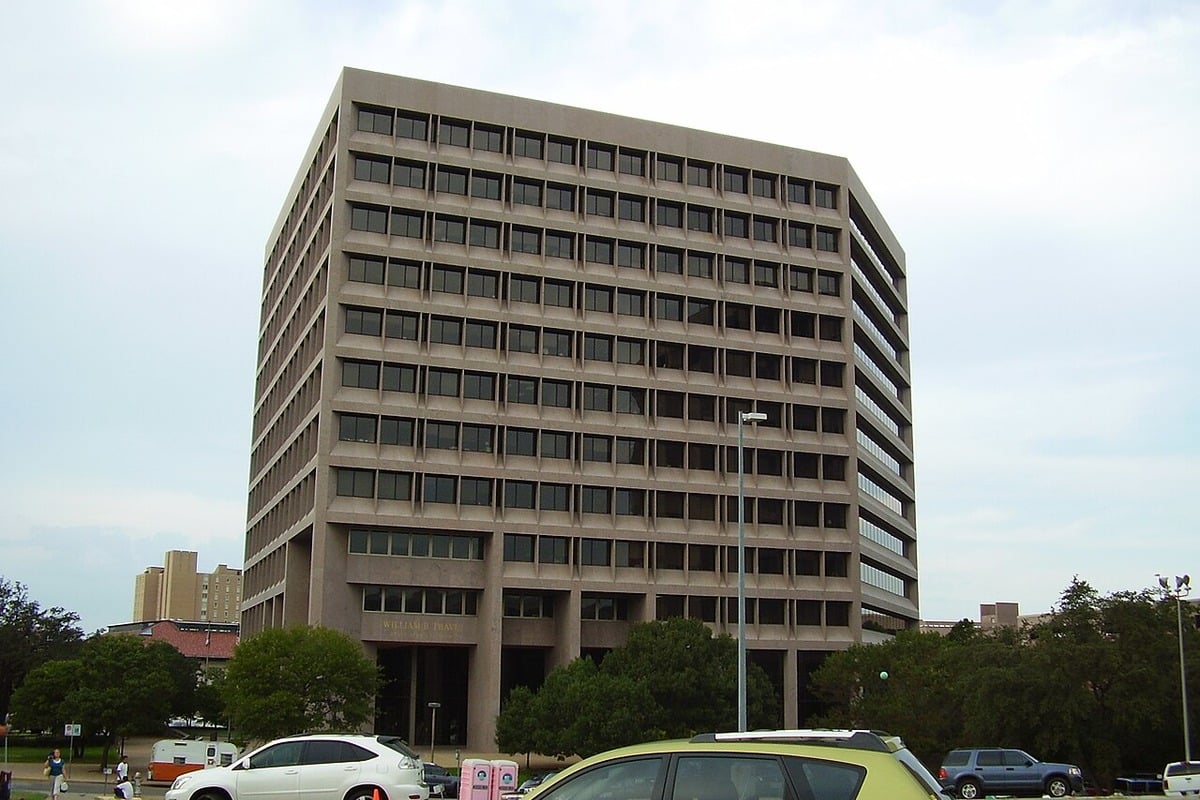
Teachers in Texas are taking a stand against state intervention in their personal online speech. A federal lawsuit filed on January 6, 2024, in the U.S. District Court in Austin challenges a directive from the Texas Education Agency (TEA) that has prompted significant scrutiny of educators’ social media activity. This case raises crucial questions about the boundaries of free speech and professional conduct for teachers outside their working hours.
The lawsuit stems from a directive issued by the TEA on September 12, 2023, which instructed school superintendents to identify and report any social media posts by educators that commented on the assassination of conservative activist Charlie Kirk. The Texas American Federation of Teachers (Texas AFT) argues that this directive has led to a climate of fear, with claims of retaliation, disciplinary actions, and even terminations against teachers. The union asserts that the policy is overly broad and infringes on speech that should be protected under the First Amendment.
According to the Texas AFT, the directive “unleashed a wave of retaliation,” prompting over 350 complaints against educators. The TEA confirmed that as of early January, there were still 95 investigations open regarding these matters. Many districts have already taken disciplinary action against employees based on their social media comments, indicating a troubling trend for educators who seek to express their opinions online.
Legal Framework and Implications
In assessing cases related to public employee speech, judges typically apply a two-part test. They evaluate whether the employee spoke as a private citizen on a matter of public concern and whether this speech caused sufficient disruption to justify the employer’s response. This framework is rooted in landmark Supreme Court cases, including Pickering v. Board of Education and Garcetti v. Ceballos.
Legal experts emphasize that the critical issues in the Texas case will revolve around whether teachers were clearly acting as private citizens and whether their posts indeed disrupted educational operations. The state is required to demonstrate a tangible disruption to justify any punitive measures against off-duty speech.
Local legal analysts highlighted that the burden of proof lies with the state, which must show a concrete, material disruption resulting from the educators’ online comments. This makes each case highly fact-specific, where similar posts can yield vastly different legal outcomes depending on community reactions.
Political Context and Future Actions
The lawsuit unfolds against a backdrop of increasing political activism in Texas schools. In December 2023, Texas Governor Greg Abbott and Lt. Governor Dan Patrick announced plans to expand chapters of Turning Point USA in high schools, a move criticized for introducing partisan politics into educational environments. Union officials contend that the TEA’s directive appears to be selectively enforced and politically motivated, while state representatives argue they are merely addressing speech that incites violence.
The Texas AFT is seeking a court order to retract the September 12 letter and halt investigations stemming from it. If granted, this could lead to the closure of numerous active inquiries. Conversely, if the court rules in favor of the TEA, teachers’ personal online expressions may remain subject to scrutiny and potential consequences.
The case is now in the hands of the U.S. District Court in Austin, where it is expected to undergo extensive motions and discovery over the coming months. The TEA has declined to comment on the ongoing litigation. The outcome of this case could significantly redefine the parameters of permissible speech for educators in Texas, potentially impacting teachers’ rights across the nation.