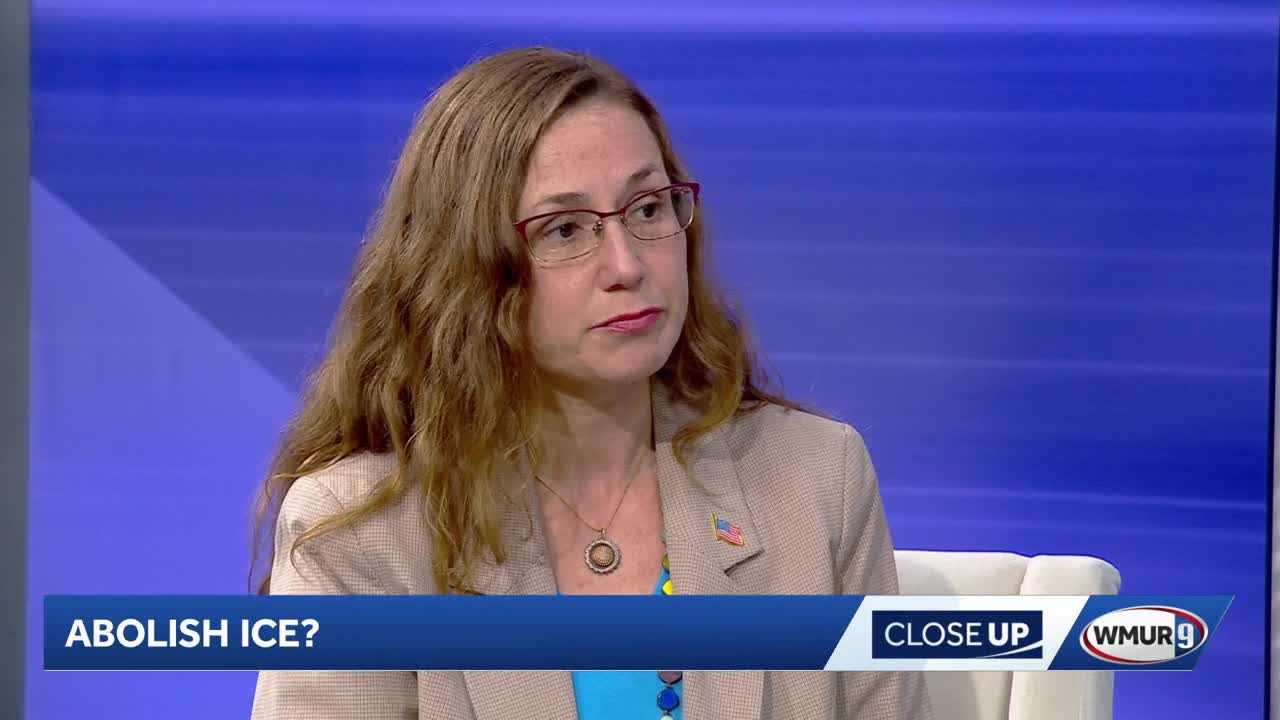
Democratic congressional candidate Sarah Chadzynski is making waves in her campaign for New Hampshire’s 1st District by advocating for the complete abolition of the Immigration and Customs Enforcement (ICE). Her position emerged following a recent shooting involving ICE agents in Minneapolis, Minnesota, which she cites as part of a broader critique of the agency’s practices.
Chadzynski voiced her concerns about the role of ICE in American communities during a campaign event held in Portsmouth on March 10, 2024. She emphasized that simply abolishing ICE does not address the underlying issues of immigration enforcement and systemic injustices. “We need to dismantle the mechanisms of oppression that ICE represents,” Chadzynski stated, urging a reevaluation of U.S. immigration policies.
In addition to her stance on ICE, Chadzynski also addressed U.S. foreign policy, particularly regarding intervention in Venezuela. She expressed a desire for the U.S. to take a more humanitarian approach rather than military intervention. Chadzynski believes that diplomacy should guide U.S. actions in the region, advocating for solutions that prioritize human rights and support for Venezuelan citizens.
Chadzynski’s campaign platform extends to energy policy as well. She is a proponent of transitioning to renewable energy sources, aiming to combat climate change while ensuring economic opportunities for New Hampshire residents. “Investing in green energy means investing in our future,” she asserted.
As the race heats up, Chadzynski faces competition from incumbent Republican Congressman Chris Pappas. Her strong positions on immigration and energy could resonate with voters seeking progressive change in the district. With the primary elections scheduled for September 2024, Chadzynski aims to solidify her base and attract undecided voters.
The outcome of this campaign could have significant implications, not only for New Hampshire but also for national conversations around immigration reform and energy policy. Chadzynski’s commitment to these issues highlights a growing trend among progressive candidates who prioritize systemic change over traditional approaches.
As she continues to engage with constituents, the response to her proposals will be crucial in determining her campaign’s trajectory in the months ahead.