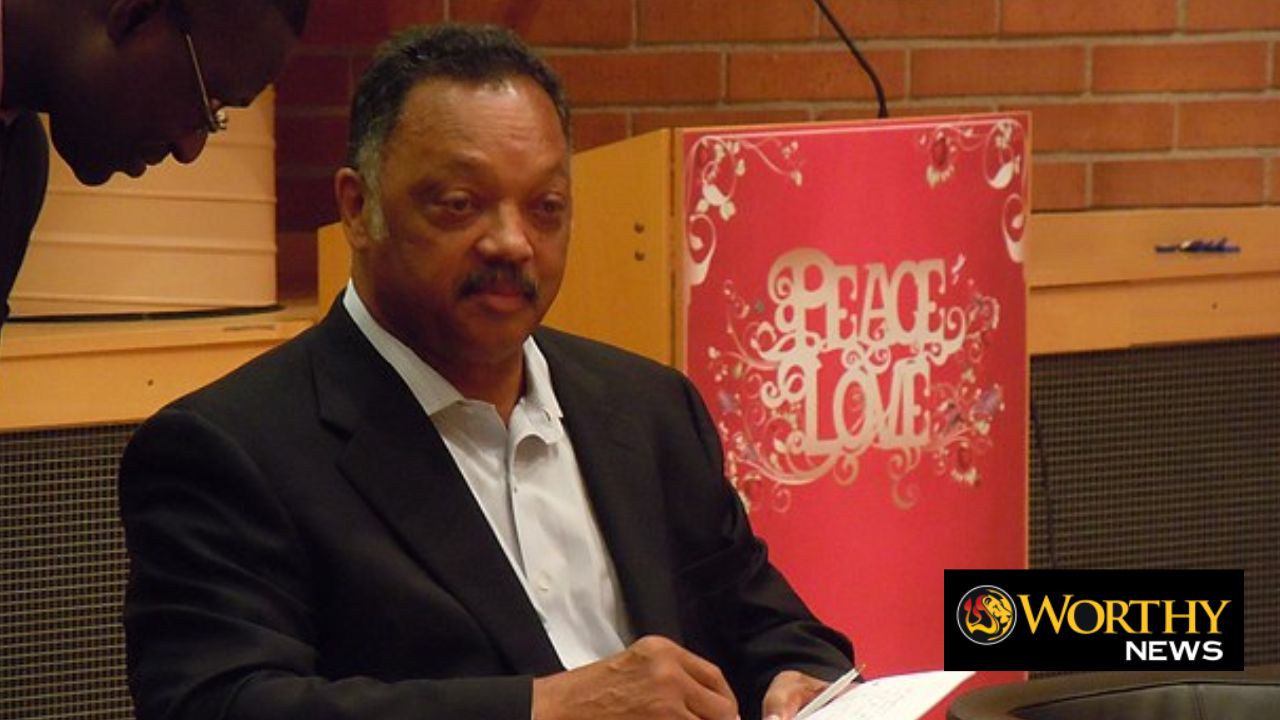
Reverend Jesse Jackson, a pivotal figure in the American civil rights movement and a prominent political candidate, has died at the age of 84. Jackson’s family announced his passing on February 17, 2026, highlighting his life dedicated to advocating for justice, equality, and the rights of marginalized communities.
Described by his family as “a servant leader,” Jackson’s activism spanned over five decades and was deeply rooted in his Christian faith. He emerged as a significant political figure during the 1980s, notably running for the Democratic presidential nomination in both 1984 and 1988. His efforts made him one of the most visible Black leaders in American politics during the late 20th century.
Jackson’s Legacy in Civil Rights
Born Jesse Louis Burns on October 8, 1941, in Greenville, South Carolina, Jackson rose from the segregated Jim Crow South to prominence within the civil rights movement. He worked alongside notable leaders such as Dr. Martin Luther King Jr. and played a vital role in significant events like the 1965 Selma-to-Montgomery march. His association with the Southern Christian Leadership Conference (SCLC) solidified his commitment to nonviolent activism and community organization.
After the assassination of King in 1968, Jackson expanded his focus on economic justice, leading initiatives such as Operation Breadbasket in Chicago. He later founded Operation PUSH (People United to Serve Humanity) and the Rainbow/PUSH Coalition, organizations that sought to promote economic opportunity and voter registration among minority populations.
Throughout his political career, Jackson’s presidential campaigns were historic. In 1988, he garnered nearly 29 percent of the primary vote and secured over 1,200 delegates, marking a significant moment in Democratic politics. His campaigns emphasized issues such as poverty, healthcare, and civil rights, expanding the political landscape for future minority candidates.
Personal Struggles and Global Impact
Jackson’s health had been a concern in recent years. While the official cause of death has not been disclosed, he suffered from progressive supranuclear palsy (PSP) after a previous diagnosis of Parkinson’s disease and faced hospitalizations due to COVID-19.
Beyond his domestic efforts, Jackson engaged in international diplomacy, advocating for human rights across the globe. He was instrumental in negotiating the release of detained Americans in countries like Syria and Cuba during the 1980s and 1990s. His vocal opposition to apartheid in South Africa and solidarity with leaders like Nelson Mandela highlighted his global vision for justice.
Jackson’s influence extended beyond electoral politics; he consistently framed political engagement as a moral duty. His notable slogan, “Keep hope alive,” became a rallying cry for many during his campaigns and public speeches. His work not only shaped the civil rights landscape in the United States but also established connections to broader global movements for equality and human dignity.
Former President Barack Obama acknowledged Jackson’s contributions, stating that his campaigns opened doors for future generations of minority candidates, paving the way for leaders like himself. Jackson’s legacy of activism and his commitment to social justice will continue to inspire generations to come.
Jackson received numerous accolades throughout his life, including the Presidential Medal of Freedom in 2000. He leaves behind his wife of over six decades, Jacqueline Jackson, six children, and several grandchildren.
With his passing, the United States mourns the loss of one of the last towering figures directly connected to the original civil rights movement of the 1960s, marking the end of an era in American social justice advocacy.