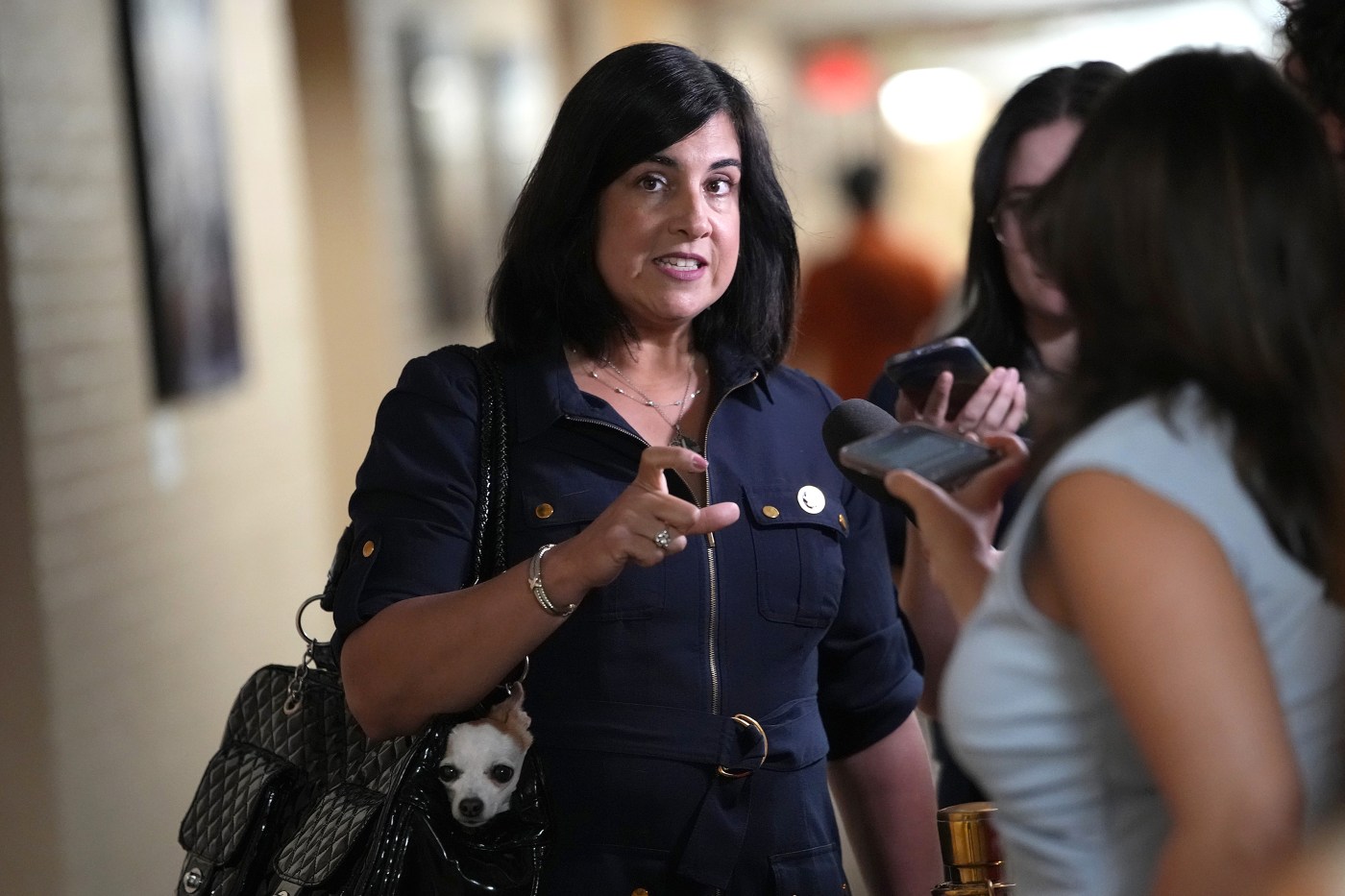
Public discourse regarding migrant crime, political rhetoric, and current events has ignited a range of responses from readers across the United States. Key topics include claims made by Representative Nicole Malliotakis in her op-ed, which have sparked significant controversy regarding the statistics associated with migrants and crime in New York City.
Malliotakis’s Claims Under Scrutiny
In her column published on February 10, 2024, Malliotakis alleged that there were “approximately 4,000 criminal migrants” arrested for “16,000 crimes.” However, the Freedom of Information Law response she cited indicated that from January 1, 2023, to October 31, 2024, the actual number of crimes committed in city-run migrant shelters was 1,049. During this period, New York City received 220,000 migrants, raising questions about the accuracy of her statements.
Critics highlight that the crime rate within these shelters was approximately 4.77 per 1,000 residents, markedly lower than the broader Manhattan rate of 41.6. Furthermore, the figure of 16,371 pertains to crimes occurring within 1,000 feet of migrant shelters, not exclusively within them nor necessarily committed by migrants. This context is critical as it illustrates a broader pattern of misinformation that can lead to harmful consequences for vulnerable populations.
Concerns Over Rhetoric and Accountability
Several readers expressed their concern regarding the harmful impact of such rhetoric. One reader, Jay Sheth, noted that incendiary comments about immigrants can provoke violence, recalling instances where misinformation led to tragic outcomes, including the deaths of two individuals in Minneapolis. There is a growing consensus that media outlets, such as the Daily News, have a responsibility to fact-check op-eds to avoid disseminating unfounded claims that could further alienate marginalized groups.
Another reader, Gina Ottrando, criticized Malliotakis for failing to provide substantive solutions to the issues she raised, instead opting for comparisons that lack depth. She emphasized that much of the city’s spending on migrants goes towards essential services rather than direct cash payments, which is often overlooked in discussions about financial burdens.
Political Rhetoric and Election Dynamics
Shifting focus, Marco Rubio addressed European leaders in Munich, proclaiming that the U.S. and Europe “belong together.” One reader, John Dent, countered that the rift between the U.S. and Europe began well before his tenure, citing previous administrations’ policies. Dent suggested that for Rubio to truly advocate for unity, he should deliver his message domestically, particularly in Washington.
In another response, Gabrielle Shatan pointed out that voter discontent, particularly regarding living costs and immigration policies, could lead to a significant political shift in the upcoming elections. She noted that a substantial portion of the electorate views Immigration and Customs Enforcement (ICE) actions as excessive, with 65% of Americans believing ICE has overstepped its boundaries. Shatan called for a reevaluation of ICE practices surrounding polling locations, arguing that noncitizen voting remains a baseless concern.
Media Interaction and Accountability
In a separate issue, Kaitlin Collins, CNN’s chief White House correspondent, faced criticism during a recent press conference where Donald Trump insulted her professionalism. Readers like Miriam Levine Helbok questioned the lack of support from fellow reporters, raising concerns about the culture of accountability in journalism.
This incident reflects broader issues regarding the relationship between political figures and the press, particularly in the context of misinformation and the treatment of journalists.
As discussions evolve around these topics, the implications for public perception and policy remain significant. The interplay of rhetoric, accountability, and data will continue to shape the narrative surrounding migration, politics, and media in the coming months.
With varying perspectives emerging from readers, it is evident that the discourse surrounding these issues is both vital and complex, necessitating careful consideration and responsible reporting.