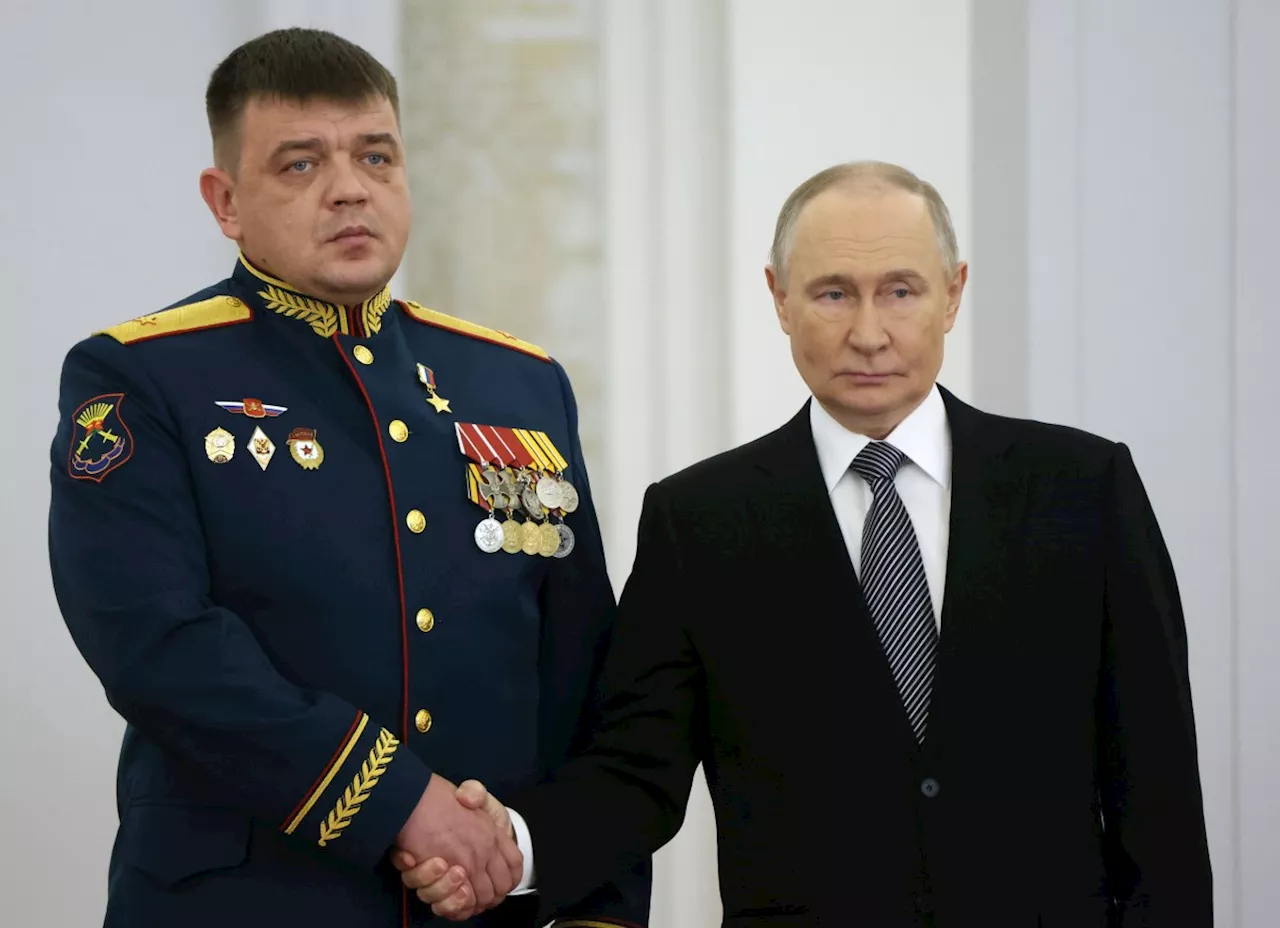
Russian Foreign Minister Sergei Lavrov announced on March 7, 2024, that President Vladimir Putin expressed a willingness to provide security guarantees for Ukraine during a meeting with envoys from former US President Donald Trump. Lavrov emphasized that any such agreements should also encompass guarantees for Russia, underlining the complexity of negotiations surrounding a potential peace settlement.
During the meeting in Moscow, Lavrov highlighted the necessity of a legally binding treaty to formalize these security guarantees. He referred to proposals made by Moscow to NATO in 2021 as a possible framework for these discussions. Additionally, he mentioned that Russia had shared further proposals with the United States regarding collective security guarantees, indicating that the scope of these guarantees should not be limited solely to Ukraine.
Lavrov also addressed the idea of deploying peacekeeping troops to Ukraine. He firmly rejected this proposal, which has been considered by some NATO allies, stating that such a deployment would make these troops “legitimate targets for the Russian armed forces.” He urged European nations to recognize the potential dangers associated with such actions.
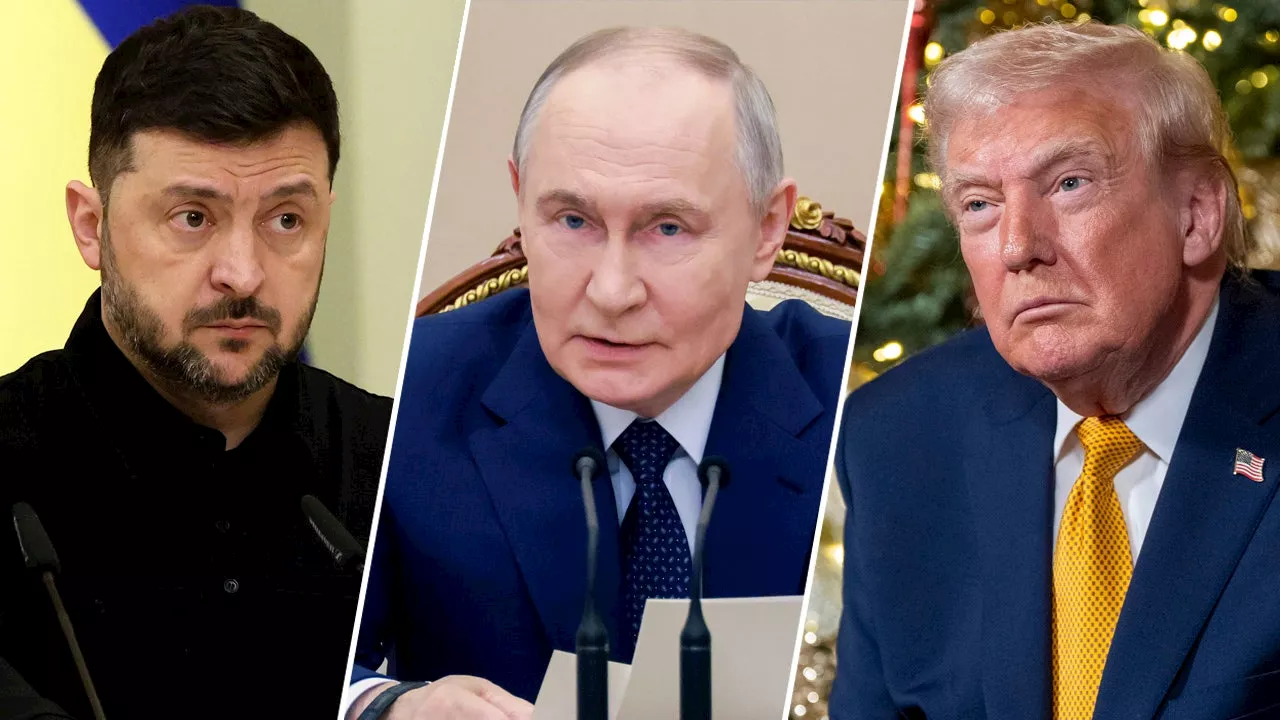
In a separate commentary, former President Trump advised Ukrainian President Volodymyr Zelensky to adopt a “realistic” perspective regarding the ongoing conflict with Russia. Trump raised concerns about the timing of Ukraine’s upcoming elections, suggesting that they could complicate the situation further. He disclosed that he had spoken about Ukraine in “pretty strong terms” with leaders from the United Kingdom, France, and Germany, indicating that European leaders are eager for his involvement in peace discussions.
The backdrop of these discussions includes a revised 20-point proposal for a settlement presented by Ukraine, developed after consultations with European allies. There are growing worries that Trump might exert pressure on Ukraine to accept terms unfavorable to its interests, particularly in light of Russia’s ongoing military aggression.
Zelensky, currently navigating domestic political challenges due to a corruption scandal involving senior officials, has indicated a readiness to hold elections, contingent upon receiving adequate safety assurances from the US and Western allies. He has firmly resisted any territorial concessions to Russia, asserting that he lacks both the legal and moral authority to relinquish land.
The evolving dynamics of this situation reflect the intricate interplay of international diplomacy, security concerns, and the pressures faced by domestic political actors. The exchange of proposals underscores the difficulty of achieving a consensus that would lead to a sustainable resolution of the conflict.
As the situation continues to unfold, the involvement of key figures such as Trump and the divergent perspectives of the involved nations add additional layers of complexity to the negotiations. The potential for a legally binding treaty, alongside differing positions on security guarantees and troop deployments, illustrates the high stakes involved.
Ultimately, the path to a peaceful settlement will demand careful navigation of multifaceted interests and significant gaps in perspective. The necessity for robust diplomacy and negotiation remains crucial to resolving the conflict and achieving lasting peace in the region.