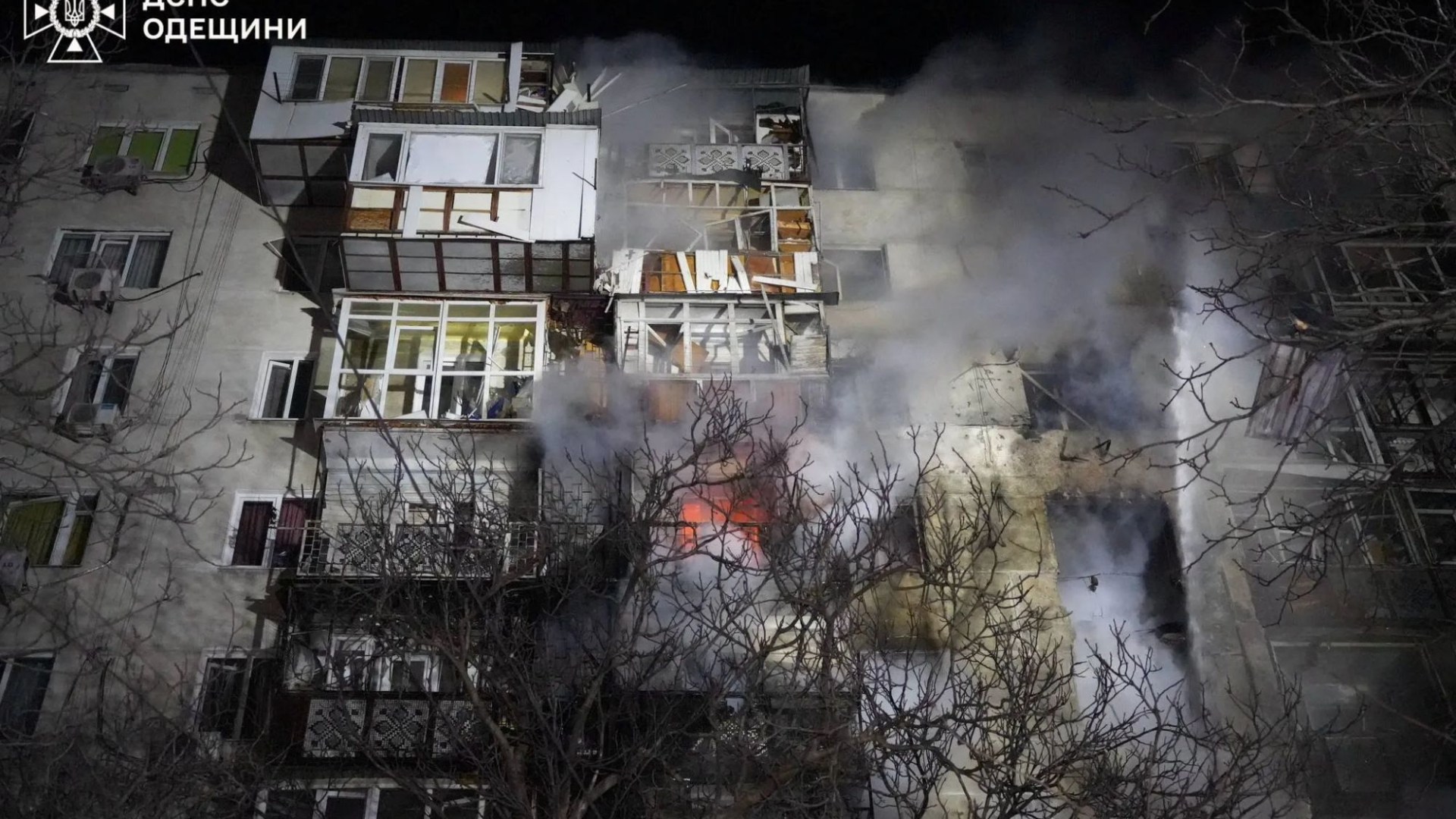
Russian President Vladimir Putin has directed his military to expand operations in Ukraine, with plans to seize additional territory in 2026. The announcement, made by military chief General Valery Gerasimov during a visit to a frontline command post, indicates a strategy to invade parts of the Sumy and Kharkiv regions. This development poses significant challenges to ongoing peace efforts spearheaded by former U.S. President Donald Trump.
General Gerasimov described the intended land acquisition in northeastern Ukraine as an extension of a “buffer zone.” Russia has consistently justified this zone as necessary to push Ukrainian forces away from its borders. In contrast, officials in Kyiv argue this is a pretext for deeper incursions into Ukrainian territory. Analysts at the Institute for the Study of War (ISW) assert that the buffer zone serves to position Russian artillery closer to Kharkiv, Ukraine’s second-largest city.
Ukrainian President Volodymyr Zelenskyy condemned the Kremlin’s plans, labeling them “mad” and reaffirming his commitment to defending both Sumy and Kharkiv. “Our troops will stand firm,” he stated, emphasizing the importance of these regions for Ukraine’s sovereignty.
During his address, Gerasimov claimed that Russian troops have made “confident advances” on the battlefield, boasting of capturing over 700 square kilometers of territory in December alone. He stated, “The Northern Group of Forces has completed the liberation of the Kursk region while establishing a security buffer in the border areas of Ukraine’s Sumy and Kharkiv regions.” He further noted that Putin had tasked the military with continuing this expansion into 2026 to ensure the safety of residents in the Belgorod and Kursk regions of Russia.
Despite Russia’s assertions, ISW analysts have disputed these inflated claims, estimating that only around 4,700 square kilometers of territory has been seized in total, significantly lower than Russia’s assertion of 6,000 square kilometers. As winter conditions continue to affect military operations, regions such as Donetsk, Zaporizhzhia, and Kherson remain intensely contested, with Ukrainian forces resisting further territorial losses.
The Russian military’s renewed focus on territorial gains appears to be a retaliatory measure following allegations that Ukraine targeted a Russian palace in the Novgorod region. Ukraine has denied these accusations, which the Kyiv government views as a “false flag” operation aimed at undermining ongoing peace negotiations.
President Zelenskyy recently met with Trump at his Mar-a-Lago estate, where they discussed the latest developments in peace talks. Trump praised the courage of Zelenskyy and his people, asserting that they made “terrific progress” toward a potential agreement. He expressed optimism about reaching a resolution, stating, “We could be very close. There are one or two very thorny issues, but I think we’re doing very well.”
Following their meeting, Trump revealed that he had a productive phone call with Putin, although the Kremlin has not indicated whether it believes peace can be swiftly achieved. Instead, Russian officials have rejected proposals for a temporary ceasefire, insisting that any resolution must favor Russia’s territorial ambitions.
In negotiations, Russia has conditioned any potential agreement on Ukraine relinquishing control of the Donbas region and Crimea, which remain contentious areas. Zelenskyy has been firm in his stance, declaring he will not concede any territory that Ukraine currently does not control.
As the situation evolves, the international community continues to monitor developments closely, recognizing the complexities of achieving lasting peace in the region.