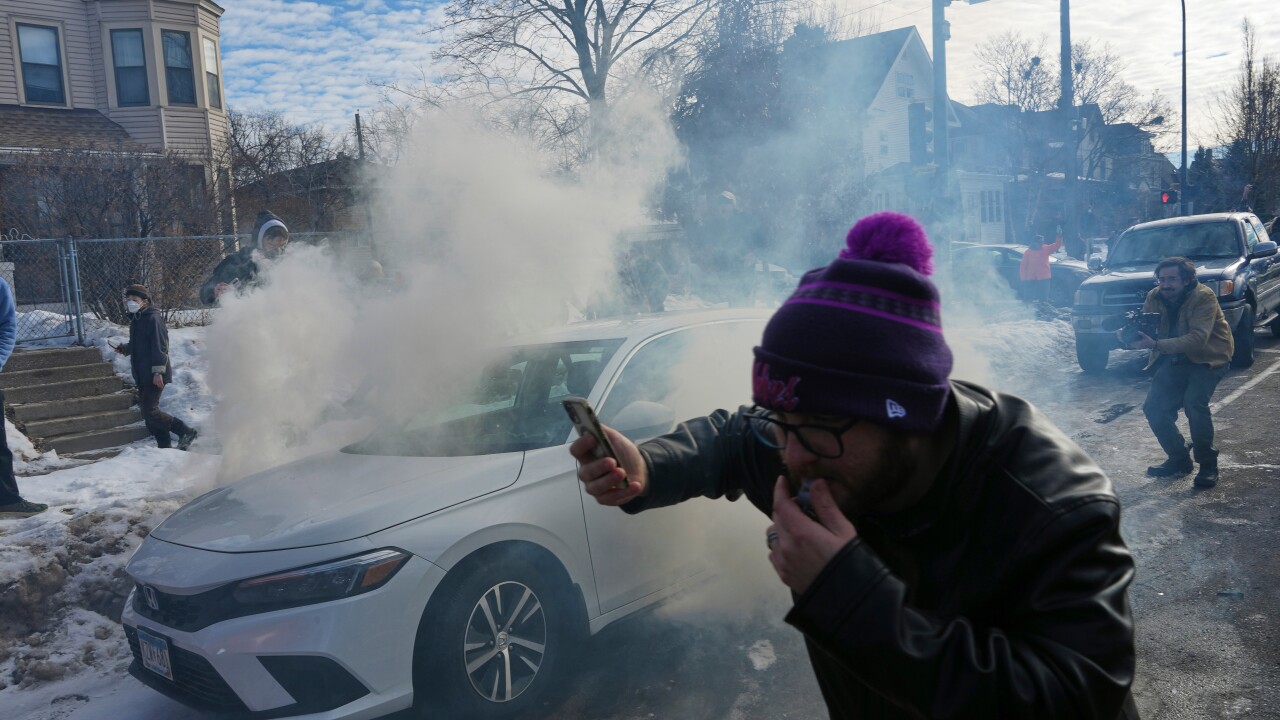
Days of protests across the Twin Cities in Minnesota have escalated tensions, following a series of confrontations between demonstrators and federal immigration agents. The unrest began after a tragic incident where a woman, identified as Renee Good, was fatally shot by an ICE officer on March 6, 2024. This incident has sparked widespread condemnation and a call for federal authorities to cease operations in the area.
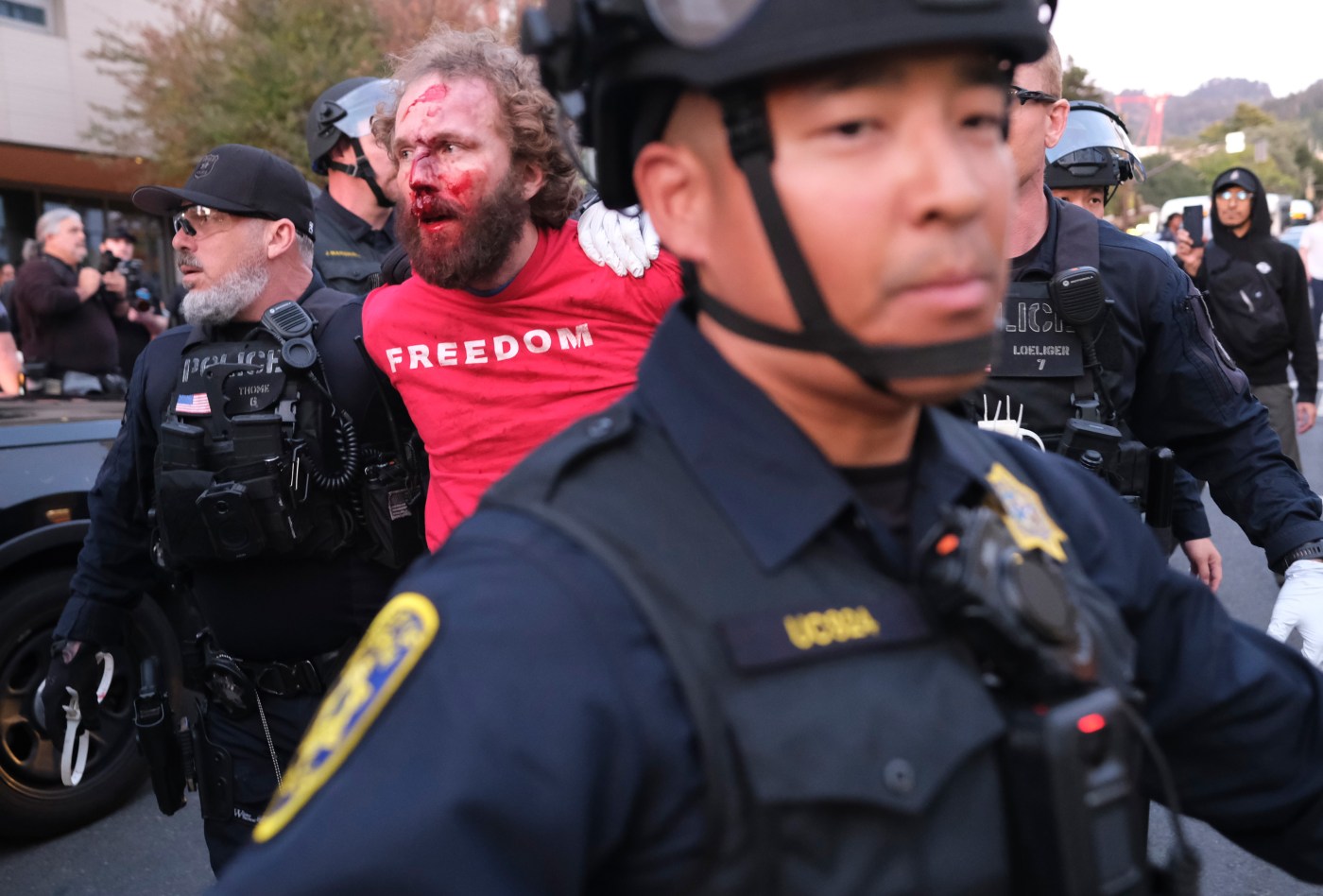
Protesters filled the streets on Monday, demanding an end to the presence of Immigration and Customs Enforcement (ICE) agents, who have intensified their activities in the region. In a notable confrontation, federal agents deployed tear gas in Minneapolis as they attempted to question an individual suspected of being undocumented. Simultaneously, protests erupted in St. Cloud, where large crowds gathered outside Somali-run businesses in response to ICE’s operations.
The protests come in the wake of a significant enforcement operation by the Department of Homeland Security (DHS), which plans to deploy over 2,000 immigration officers to Minnesota. This move has been described as the largest enforcement action in the state’s history, prompting legal action from state officials. On March 4, 2024, Attorney General Keith Ellison, alongside city leaders from Minneapolis and St. Paul, filed a lawsuit against the Trump administration, alleging violations of constitutional rights, particularly the First Amendment.
According to the lawsuit, the DHS’s actions have created an environment of fear and intimidation, particularly in communities that are known for their progressive values and support of immigrant rights. “This is, in essence, a federal invasion of the Twin Cities in Minnesota, and it must stop,” Ellison stated during a news conference.
The DHS claims to have made over 2,000 arrests in Minnesota since December 2023, asserting that these operations are necessary for public safety. In response to the lawsuit, DHS spokesperson Tricia McLaughlin criticized Minnesota officials for what she described as a disregard for the law. “President Trump’s job is to protect the American people and enforce the law — no matter who your mayor, governor, or state attorney general is,” McLaughlin said.
The ongoing situation has drawn national attention, with protests and vigils held across the United States to honor Renee Good and to challenge the federal government’s immigration tactics. Videos from the incident that led to Good’s death have prompted significant backlash from local leaders, including Minneapolis Mayor Jacob Frey and Governor Tim Walz, who have called the explanation provided by federal authorities inadequate.
In addition to the developments in Minnesota, the federal government is facing scrutiny over similar enforcement actions in other states. A lawsuit has been filed in Illinois regarding a crackdown known as “Operation Midway Blitz,” which led to the arrest of over 4,300 individuals last year. Local officials argue that such operations have instilled fear within immigrant communities, making residents hesitant to engage in daily activities.
As tensions remain high in Minnesota, federal authorities continue to stand by their actions. In a related incident in Portland, Oregon, federal agents filed charges against a Venezuelan national involved in a shooting with U.S. Border Patrol. The Justice Department reported that the man attempted to evade capture, resulting in a confrontation that left him and another individual wounded, although their injuries were not life-threatening.
The situation in the Twin Cities exemplifies the ongoing debate over immigration policies in the United States and the impact of federal enforcement on local communities. As protests continue, the state’s legal challenge against the federal government may determine the future of immigration enforcement in Minnesota and beyond.