A proposed lawsuit in Colorado claims that leaders of the Colorado Opportunity Caucus violated the Colorado Open Records Act (CORA) by denying requests for records related to a retreat held in Vail. The event, attended by caucus members and lobbyists, is currently under scrutiny due to ethics complaints asserting that legislators received prohibited gifts.
The Colorado Opportunity Caucus, a nonprofit organization comprising moderate Democrats in the state legislature, held the retreat in October 2025, which they described as an “organization and educational retreat.” Complaints lodged with the Independent Ethics Commission allege that the caucus accepted payments for luxury accommodations from a pro-business dark money group, One Main Street.
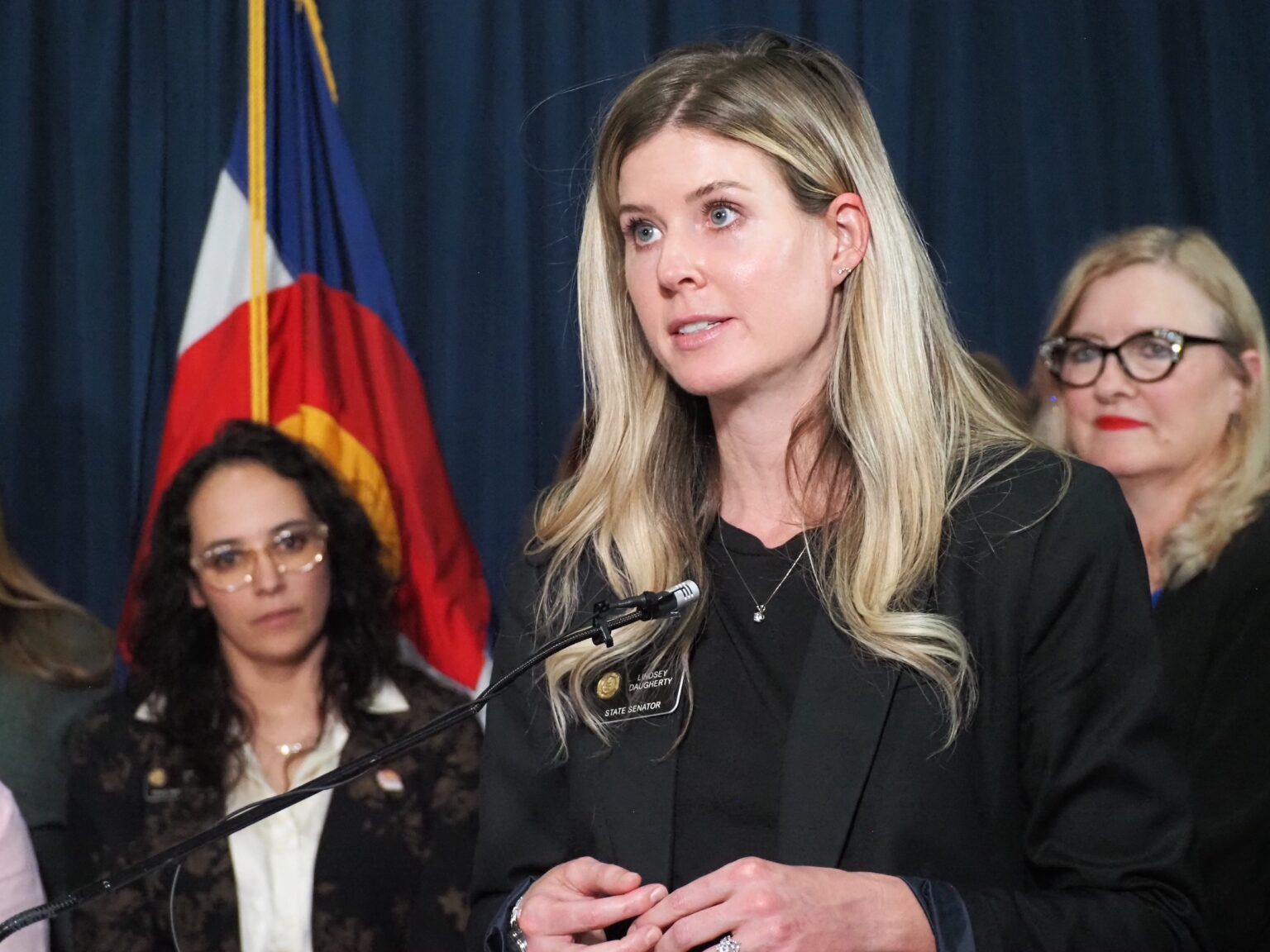
The lawsuit centers on allegations that the caucus, led by Sen. Lindsey Daugherty of Arvada and Rep. Sean Camacho of Denver, violated CORA by failing to provide records detailing the list of caucus members, attendees at the Vail retreat, materials presented, and financial records associated with the event. According to the plaintiff’s attorney, Scott Moss, Daugherty and Camacho were notified of the complaint and have a period of 14 days to comply before the lawsuit is officially filed in Denver District Court.
The plaintiff, Derrick Blanton, a Denver resident and long-time progressive activist, submitted multiple CORA requests via the legislators’ official emails and to the Office of Legislative Legal Services. All requests were denied, with Daugherty and Camacho asserting that no responsive records exist.
In a statement, Daugherty maintained that the Opportunity Caucus adheres to Colorado’s open records laws, emphasizing their commitment to transparency. She noted that the caucus sought guidance from the nonpartisan Office of Legislative Legal Services to ensure compliance with legal obligations.
The complaint argues that Daugherty and Camacho are indeed the appropriate custodians of the requested records under CORA. It contends that it is implausible for the co-chairs of a caucus to lack records regarding their own events, member lists, and associated expenditures. Furthermore, the caucus leadership claims the retreat was conducted in the legislators’ “private capacity” and not as a governmental function.
The proposed lawsuit challenges this assertion, arguing that the requested records qualify as public documents because the Opportunity Caucus functions as a “de facto policy-making body of the General Assembly.” This characterization draws from the legislators’ own responses to the ethics complaints.
If successful, the lawsuit would seek a judicial ruling confirming that the denial of Blanton’s requests constitutes a violation of CORA, thereby mandating the defendants to release the requested information. This case highlights ongoing concerns about transparency and accountability within Colorado’s legislative processes.