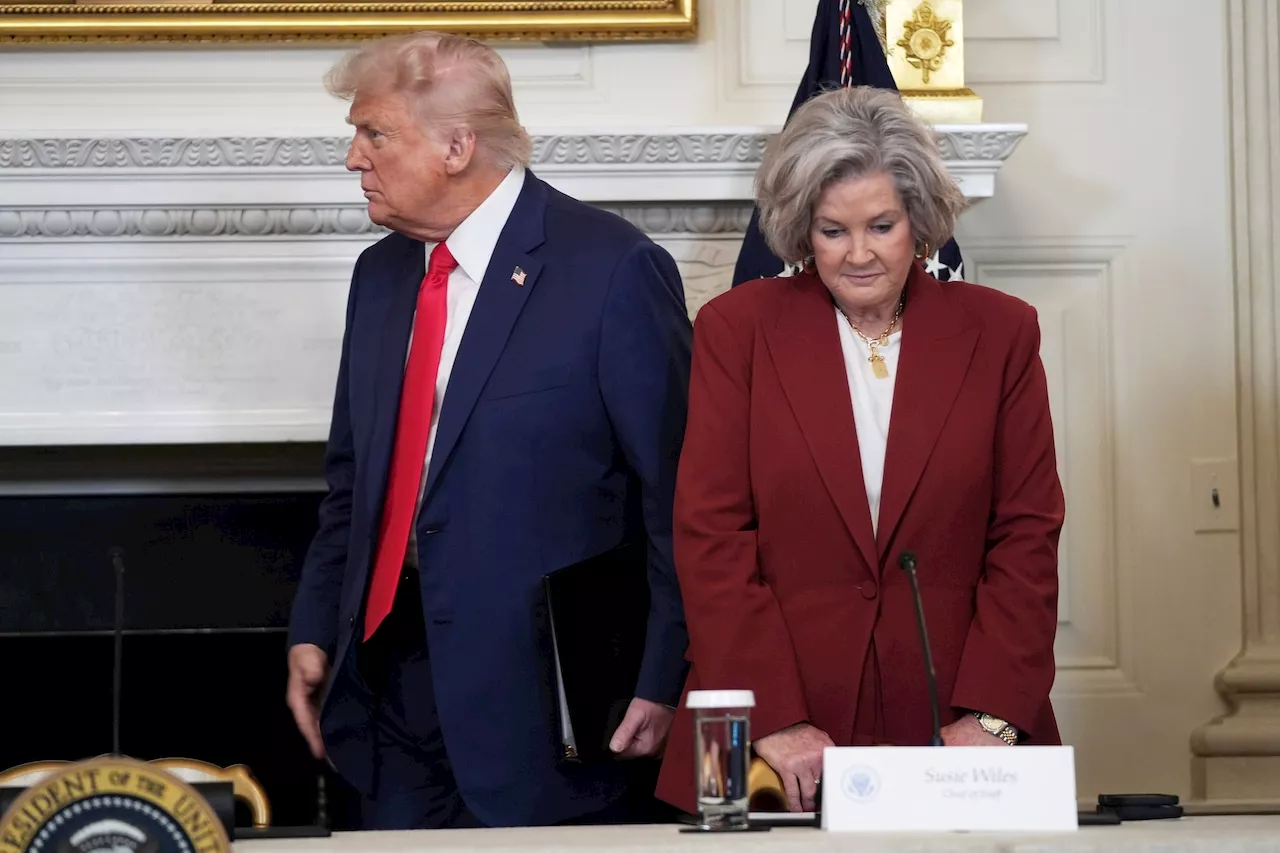
The recent comments made by Susie Wiles, the chief of staff to the President of the United States, have sparked considerable debate regarding the balance of power and constitutional limits in governance. In an interview with Vanity Fair, Wiles expressed unwavering confidence in her boss, stating that he governs with “a view that there’s nothing he can’t do. Nothing, zero, nothing.” This assertion raises critical questions about the President’s interpretation of his authority.
Implications of Unrestricted Power
Wiles’ comments suggest a dual interpretation of the President’s self-belief. On one hand, it may indicate a belief in exceptional talent and capability. On the other, it could imply a concerning view of presidential power as unchecked and absolute. This latter interpretation aligns with the President’s previous statements, including his declaration made during a video-taped cabinet meeting in August 2025: “I can do whatever I wanna do. I’m the President.” Such remarks have led to fears that he may not regard constitutional boundaries as binding.
The implications of this mindset could be profound. Critics argue that the President’s approach undermines the principles of democracy and checks and balances that are foundational to the U.S. system of governance. While the notion of a capable leader is appealing, the reality presents a different picture. The President’s track record includes limited success in fostering global peace and a management style often characterized by dismissing subordinates rather than collaborative governance.
Public and Political Reactions
The comments have not gone unnoticed in political circles. Analysts and commentators are expressing concern over the potential erosion of democratic norms. The President’s intention to act without restraint could set a precedent that might embolden future leaders to disregard constitutional limits. This could have lasting effects on how power is exercised and perceived in the United States.
As citizens reflect on the balance of power, the discourse surrounding the President’s comments serves as a critical reminder of the importance of accountability in leadership. The discussions prompted by Wiles’ statements underscore the necessity of maintaining a system where power is not only granted but also carefully monitored and constrained.
As this situation unfolds, it is essential for the public and political leaders alike to engage in meaningful dialogue about the role of the President and the fundamental principles that govern the nation. The future of U.S. democracy may hinge on how these conversations evolve and whether constitutional norms are upheld in the face of assertive claims of authority.