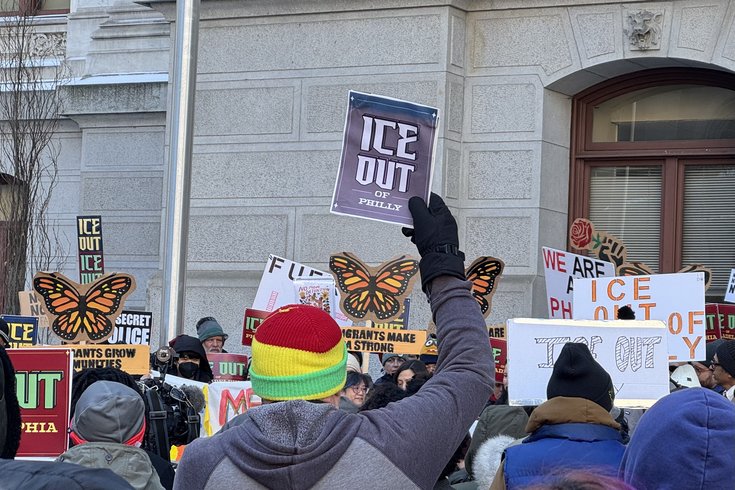
Proposed legislation aimed at restricting the activities of Immigration and Customs Enforcement (ICE) agents in Philadelphia is poised to become law, gaining sufficient support within the City Council to proceed without the signature of Mayor Cherelle Parker. The legislative package, known as “ICE Out,” is co-sponsored by Councilmember Kendra Brooks and Councilmember Rue Landau, and addresses ongoing concerns regarding ICE agents operating within the city.
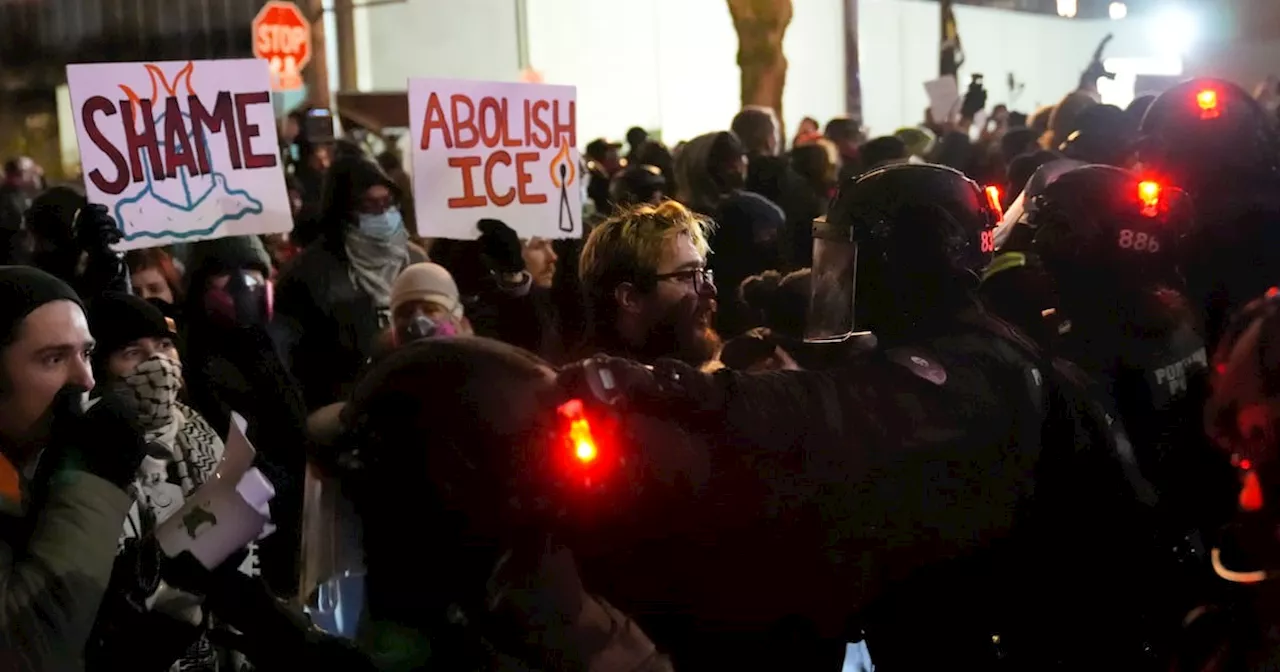
During a City Council meeting on March 14, 2024, Brooks emphasized that this initiative is not intended to attract ICE’s attention to Philadelphia but rather to confront an already pressing issue. “I want to be clear that ICE is already here,” she stated. “We don’t want a Minneapolis situation, but I reject the claim of those who are pretending that we don’t already have a problem.”
Details of the Legislative Package
The “ICE Out” package comprises seven bills that aim to impose new restrictions on ICE operations within the city. Key provisions would prohibit ICE agents from wearing masks, utilizing unmarked vehicles, and conducting raids on city-owned properties. Additionally, the legislation would prevent city agencies from sharing data about residents or collaborating with ICE, and would make discrimination based on immigration or citizenship status illegal in Philadelphia.
Landau noted that the package has garnered considerable support, claiming that it has 15 co-sponsors, which would constitute a supermajority in the council. This level of backing would allow the legislation to bypass the mayor’s approval process. “This is incredibly popular right now in council just for people wanting to support this,” Landau said. “Everybody wants to make sure that Philadelphia is protecting Philadelphia, and that’s exactly what we’re seeing here.”
The introduction of this legislation follows a tragic incident in Minneapolis, where ICE officers fatally shot Alex Pretti on March 9, 2024. Pretti’s death marked the third shooting involving ICE agents in the city within three weeks, raising significant public outrage. Following this pattern of violence, Landau expressed the urgency of moving forward with legislative measures to safeguard Philadelphia residents.
Concerns and Legal Considerations
The enforcement of the proposed measures would require collaboration with various city departments, including the Philadelphia Police Department and the Commission on Human Relations. While the specifics of enforcement are still being finalized, Landau assured that the details would be addressed in the legislative process.
Despite the momentum behind the initiative, some council members, including Mike Driscoll, have raised questions about the legality of the proposed restrictions. There are concerns regarding whether the City Council possesses the authority to impose limitations on federal agents. Brooks, however, remains resolute, asserting that the legislation’s focus is on enhancing existing protections for residents. “We are here to protect Philadelphians, and if that means we eventually need to go to court, that’s what will need to happen,” she stated.
Council President Kenyatta Johnson expressed support for the initiative, framing ICE operations as a moral issue that requires attention. “If there are legality issues that have to be addressed, we’ll work with our members to address it,” he said, underscoring a commitment to pursue the matter.
In a related resolution, the City Council also honored Pretti, Renee Nicole Good, and four others who lost their lives due to ICE actions or while in their custody. Earlier this week, District Attorney Larry Krasner joined a coalition of prosecutors pledging to hold federal officers accountable for violations of state laws.
As public discourse around immigration enforcement intensifies, Philadelphia’s legislative moves reflect a broader trend of cities seeking to assert control over local governance and protect their residents amidst federal actions. The forthcoming discussions will determine how these proposed restrictions will unfold in practice and whether they will indeed reshape the landscape of immigration enforcement in the city.