A recent development in New York City has reignited discussions surrounding U.S. foreign policy, particularly regarding Venezuela. Following the capture of Venezuelan President Nicolás Maduro, footage showed him making a handcuffed appearance at the Drug Enforcement Administration (DEA) headquarters in New York. In an unexpected moment, Maduro wished the agents a “Happy New Year,” which has drawn attention to the ongoing political and humanitarian crises in his home country.
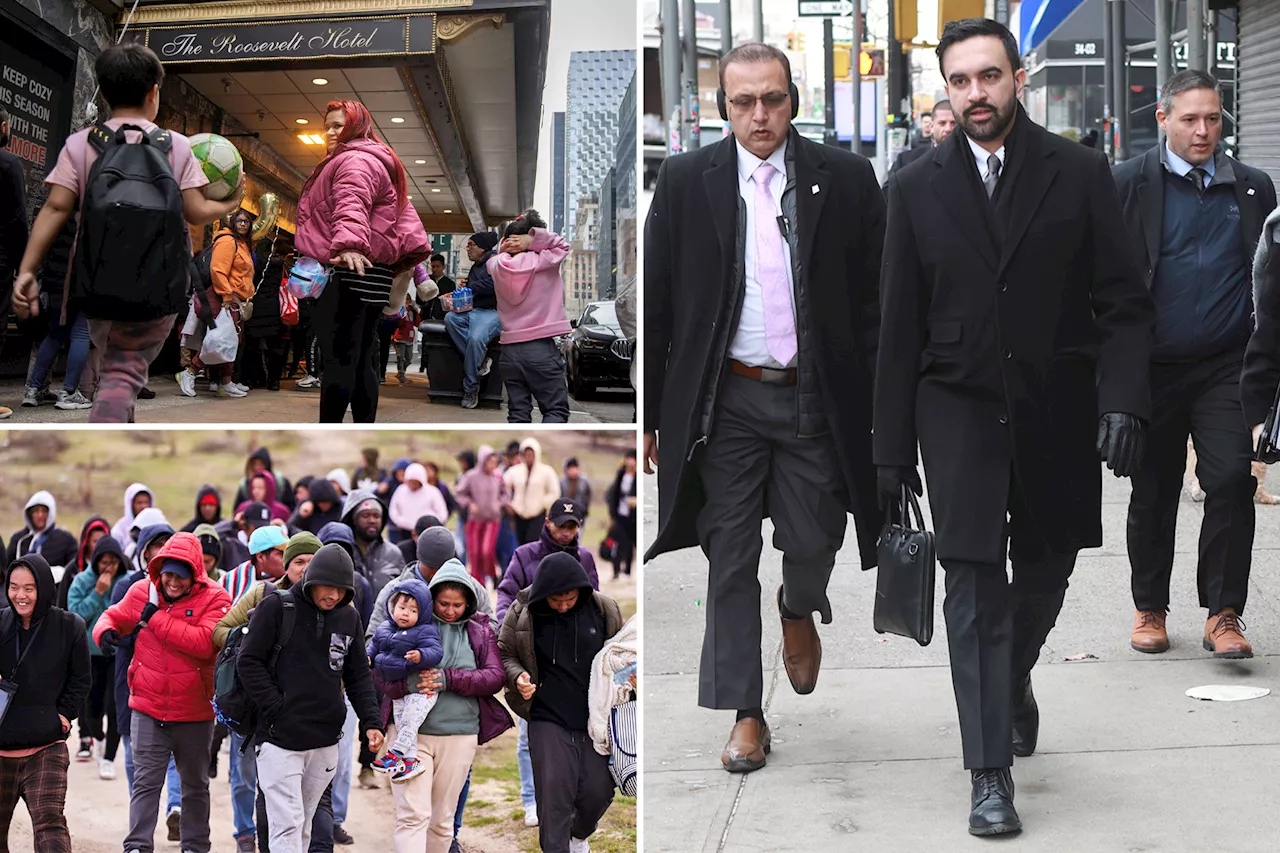
Amid this backdrop, Zohran Mamdani, the newly elected mayor of New York City, has expressed strong opposition to the sanctions imposed on Venezuela, which he argues have exacerbated the migrant crisis affecting the United States. In a statement released on September 18, 2023, he signed with the city chapter of the Democratic Socialists of America, highlighting that many recent migrants are fleeing conditions worsened by U.S. economic policies.
The statement reads, “Many of the new arrivals have been displaced as a result of destabilizing economic policies by the United States’ ruling class.” This sentiment resonates with a broader critique of U.S. foreign interventions, particularly in nations like Venezuela, Cuba, and Guatemala. Mamdani emphasizes that the root causes of economic instability and migration are tied to U.S. foreign policy actions, including sanctions and exploitative trade agreements.
In a pointed critique, Mamdani has previously stated that the U.S. must prioritize restoring law and order in Venezuela before any democratic elections can take place. He believes that without resolving these issues, the opposition leader there would struggle to gain any meaningful support.
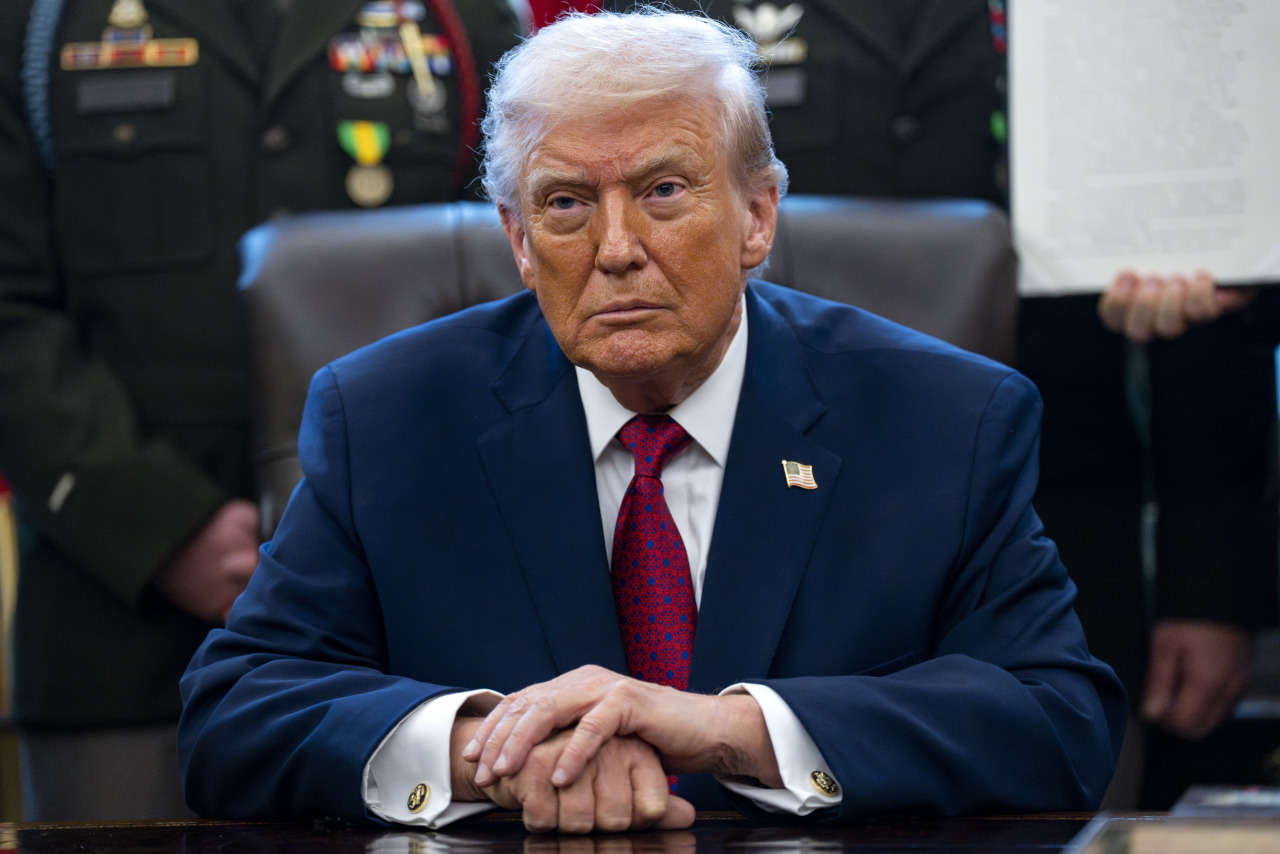
On Saturday, Mamdani revealed that he personally contacted former President Donald Trump to voice his opposition to the military operation that resulted in Maduro’s capture. He described such actions as “an act of war” and a violation of both federal and international law. “By ending sanctions on Venezuela, we can begin to improve the economic conditions contributing to destabilization and displacement,” he asserted.
His remarks have sparked discussions about the implications of U.S. policy on Venezuelan nationals living in New York City. Mamdani stated, “This blatant pursuit of regime change doesn’t just affect those abroad; it directly impacts New Yorkers, including tens of thousands of Venezuelans who call this city home.”
Since taking office, Mamdani has shown a keen interest in international affairs, noting his previous comments from 2013 when he suggested that Venezuelans could serve as monitors during disputed elections in Zimbabwe. His efforts to bring attention to these issues reflect a commitment to the welfare of his constituents, as he aims to address the humanitarian impact of U.S. foreign policy.
The current discourse also reflects broader tensions within American politics regarding immigration and asylum policy. Many have criticized former New York City Mayor Eric Adams and Governor Kathy Hochul for their handling of asylum seekers, who have surged into the city in recent months. Mamdani’s administration is expected to continue monitoring these developments closely while advocating for policies that support vulnerable populations.
As the situation evolves, the implications of Maduro’s capture and the ongoing discussions about sanctions will likely remain at the forefront of political dialogue both in New York City and across the United States. Mamdani has pledged to prioritize the safety and well-being of all New Yorkers while addressing these complex international issues.