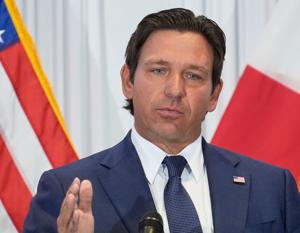
A prominent civil rights organization has filed a lawsuit against Florida Governor Ron DeSantis over his recent order designating the group as a “foreign terrorist organization.” The CAIR-Foundation, along with its Florida affiliate, argues that this label is unconstitutional and violates their rights.
The lawsuit was submitted to the U.S. District Court in Florida on March 1, 2024. It contends that the classification not only damages the reputation of the organization but also infringes upon the First Amendment rights of its members. According to the group, the governor’s actions are a direct attack on free speech and religious expression.
CAIR, which stands for the Council on American-Islamic Relations, has long been an advocate for Muslim communities across the United States. The organization focuses on civil rights, advocacy, and outreach, aiming to promote a better understanding of Islam and Muslims in America. Its leaders argue that the governor’s labeling undermines their work and fosters a climate of fear and discrimination.
In the lawsuit, the plaintiffs seek to have the label revoked and request damages for emotional distress caused by the public statement. They assert that the term “foreign terrorist organization” carries significant stigma, potentially leading to increased hostility towards members of the Muslim community in Florida and beyond.
The case has drawn attention not only for its implications for civil rights but also for the broader discourse surrounding freedom of expression in the United States. As tensions rise in political rhetoric, the outcome of this lawsuit may set a significant precedent for how governmental entities address and label organizations advocating for minority rights.
The Florida chapter of CAIR has emphasized that the group is dedicated to community service and education, not violence or extremism. In a statement, the organization expressed its determination to fight against what it perceives as unjust and harmful labeling that seeks to marginalize its community.
Governor DeSantis has not publicly commented on the lawsuit as of now. His administration has faced scrutiny in the past for policies perceived as targeting specific groups, which some critics argue are politically motivated.
As the legal proceedings unfold, the implications of this case will likely resonate beyond Florida, potentially influencing similar discussions and actions across the United States. The balance between national security concerns and civil rights remains a contentious issue, and how this case is resolved could impact many organizations advocating for marginalized communities.
This lawsuit underscores the ongoing struggle for civil rights in an increasingly polarized political environment. The outcome will not only affect the CAIR-Foundation but may also have lasting effects on the way government entities engage with organizations representing diverse communities.