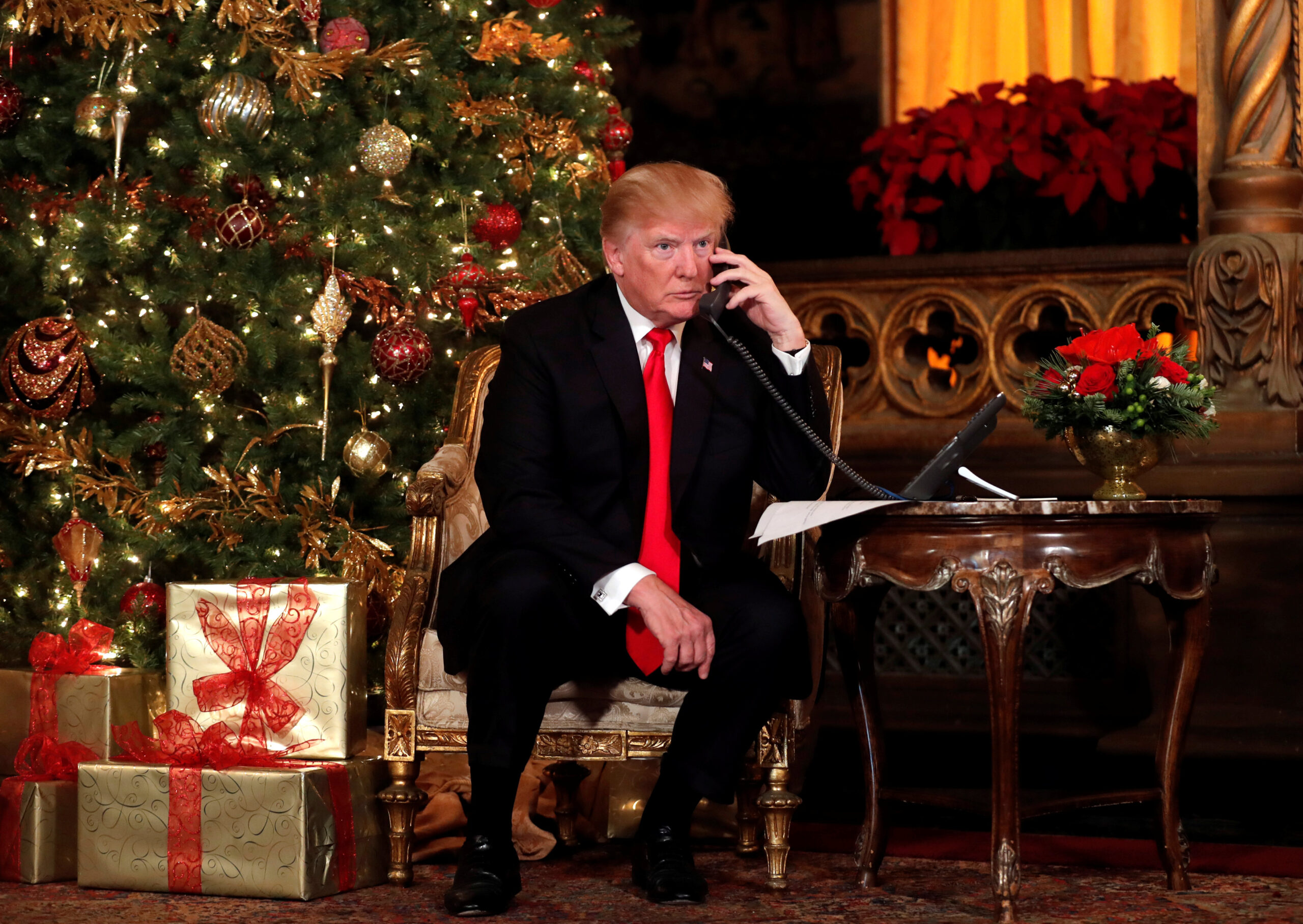
President Donald Trump faced sharp criticism from Minnesota state leaders after derogatory comments he made about the state’s Somali community. During a budget forecast on December 4, 2023, Governor Tim Walz condemned Trump’s remarks, which included calling the Somali population “garbage” and expressing a desire for fewer Somalis in the United States.
Walz opened his address with a heartfelt appeal, stating, “We’ve got little children going to school today who their president called them garbage.” He emphasized that targeting a community based on race or ethnicity is unacceptable, especially for a group that contributes significantly to Minnesota’s cultural and economic landscape. He urged Republican lawmakers to denounce Trump’s rhetoric, but no such condemnation emerged during the news conference.
Lisa Demuth, the Republican Speaker of the House, acknowledged the diversity within communities, saying, “What I will say is, there is not an entire community that is bad, and there’s not an entire community that is good.” Demuth, who is also campaigning for governor and seeking Trump’s endorsement, refrained from directly criticizing the president.
Senator Eric Pratt, who is running for Minnesota’s Second Congressional District, expressed some disagreement with Trump’s language but shared his frustrations regarding broader issues. He stated, “Nobody on the Republican side, I think, has come out in support of what the president said,” while stressing the importance of recognizing Somali residents as neighbors and friends.
Pratt also highlighted ongoing issues related to fraud in Minnesota, which have drawn national attention. Reports from a conservative think tank suggested that fraudulent activities linked to Minnesota’s Somali community were being funneled to the terrorist organization Al-Shabaab. This has intensified scrutiny of the community amid concerns over immigration and public safety.
House Leader Harry Niska criticized the state administration for prioritizing political correctness over effective governance. He argued, “The unique problem of Minnesota isn’t immigrants or refugees. Every state has immigrants and refugees.” Niska pointed to what he described as a lack of competence in overseeing programs that deal with these communities.
On the other side of the aisle, Senate Majority Leader Erin Murphy and House Leader Zack Stephenson joined Walz in denouncing Trump’s comments. Stephenson characterized the remarks as a tactic used by demagogues throughout history to distract and divide people during challenging times.
The demand for Republican lawmakers to voice their disapproval of Trump’s comments persisted, culminating in a letter sent by the entire Senate DFL to Minnesota’s Republican representatives. The letter urged them to denounce the president’s remarks, reinforcing the call for a united front against divisive language.
Minnesota is home to nearly 80,000 Somalis, with approximately 78% residing in the Twin Cities area. According to Minnesota Compass, a nonprofit research organization, a significant majority of these individuals are documented residents or citizens. Minneapolis Mayor Jacob Frey responded to the federal government’s interest in the Somali community, noting that most Somali Minnesotans are lawful residents.
As the political landscape evolves, the debate surrounding immigration and community relations continues to be a pressing issue in Minnesota, challenging leaders to address concerns while fostering unity and understanding.