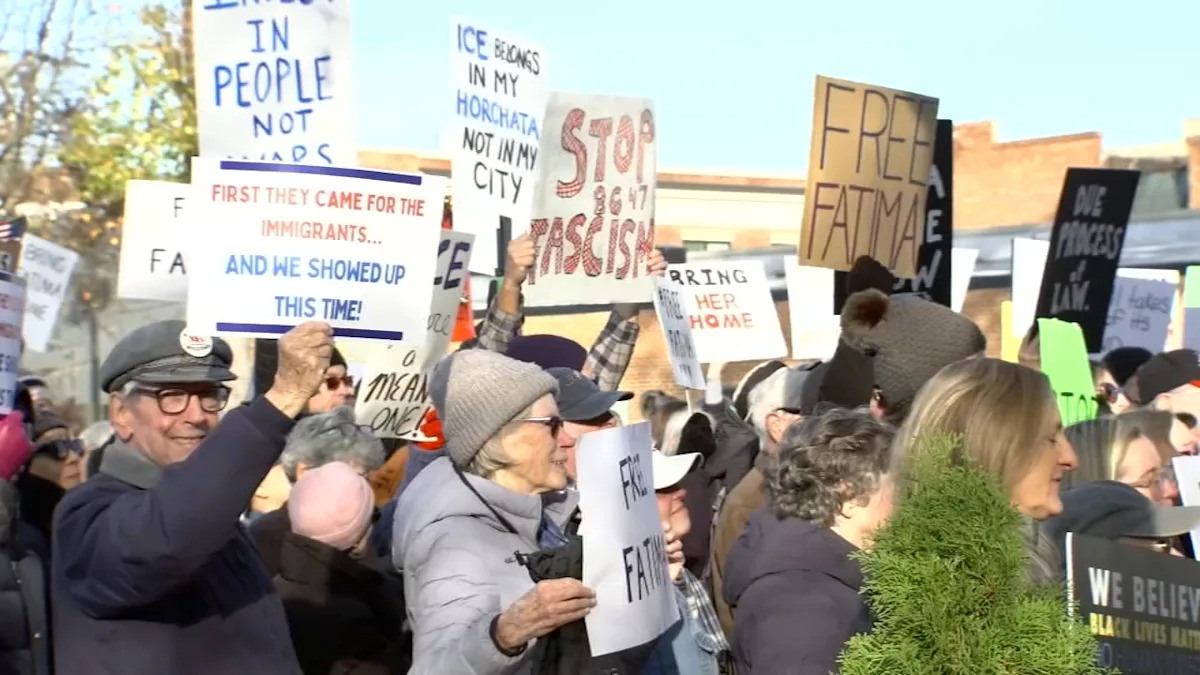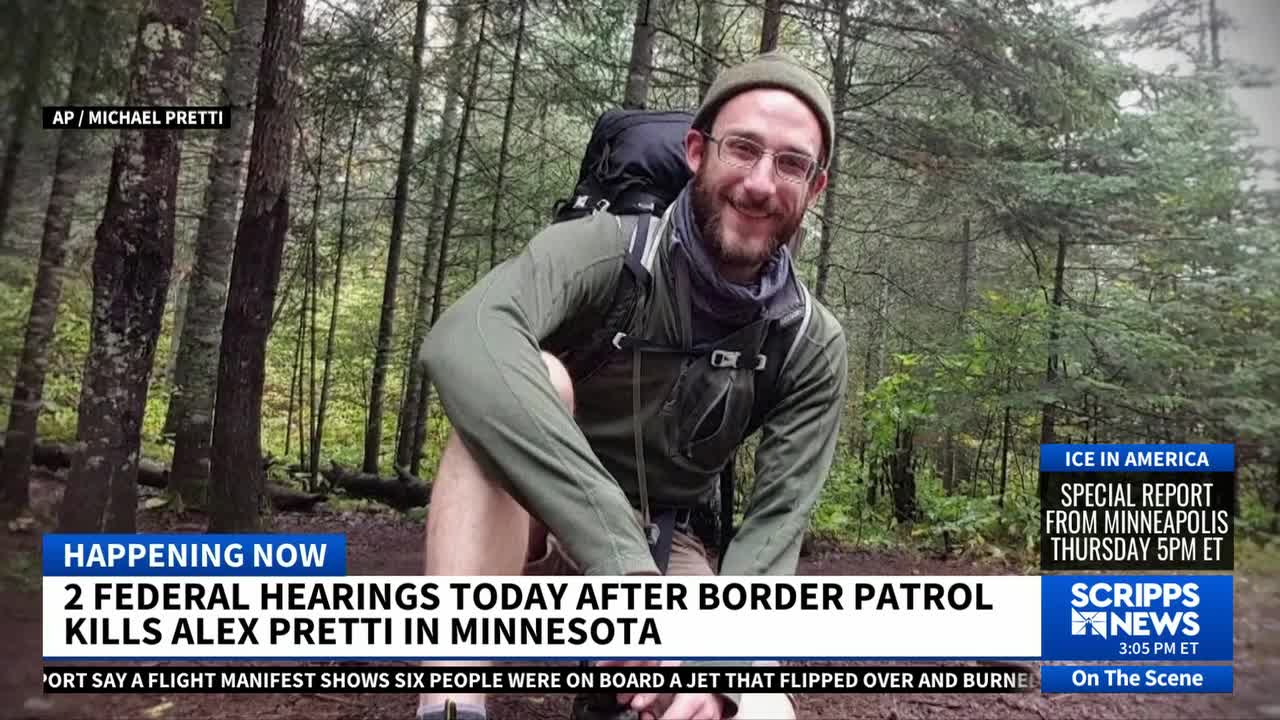
The Minnesota Attorney General’s office is urging a federal judge to swiftly intervene and halt U.S. Immigration and Customs Enforcement (ICE) operations in the state. This request follows the weekend shooting death of **37-year-old Alex Pretti** in Minneapolis, which has intensified scrutiny on ICE’s actions, particularly concerning its **Operation Metro Surge** initiative.
In a letter to the court, Minnesota’s attorneys described the current situation as “grave,” arguing that the Trump administration’s actions are unlawful. They have called for an immediate end to the controversial operation and for ICE agents to vacate the state. The case was presented in front of **Judge Katherine Menendez**, who heard arguments for over two hours but refrained from issuing an immediate ruling.
During the proceedings, Judge Menendez acknowledged the “shockingly unusual times” Minnesota is experiencing. However, she expressed uncertainty about whether this context provided her the authority to seek a remedy under the **10th Amendment**, which protects states’ rights.
The tensions were further exacerbated by a letter from **Pam Bondi**, an attorney representing the Trump administration, directed at Minnesota Governor **Tim Walz**. In this correspondence, Bondi accused local authorities of violating federal immigration rules. Minnesota Attorney General **Keith Ellison** countered that the underlying issue is not about law enforcement or immigration but rather about the federal government gaining access to state documents, including private voting information.
“The Pam Bondi letter, it reveals what this is all about,” Ellison stated. “This is not about fraud and it’s not even about immigration. It’s about handing over documents of the state of Minnesota to the federal government.”
In a related case, another hearing on the same day featured **Judge Eric Tostrud** in St. Paul, focusing on preserving evidence related to the Pretti shooting. Tostrud issued an order preventing the Trump administration from “destroying or altering evidence” that may be necessary for future legal proceedings involving individuals harmed by ICE’s activities in Minnesota.
An attorney representing Minnesota sought this ruling to ensure that critical evidence, which the state has not yet reviewed, remains intact. The decision reflects growing concerns regarding the impact of federal immigration enforcement on local communities.
The unfolding legal battles illustrate a deepening conflict between state authorities and the federal government over immigration enforcement practices. With public safety and civil rights at the forefront, the outcome of these cases may set significant precedents for the relationship between state and federal jurisdictions.