The recent incident in Minneapolis, where U.S. Immigration and Customs Enforcement (ICE) agents shot and killed two American citizens, has created significant political fallout for lawmakers in New York. This chaotic immigration enforcement action has prompted some members of Congress to reconsider their support for funding bills aimed at keeping the government operational.
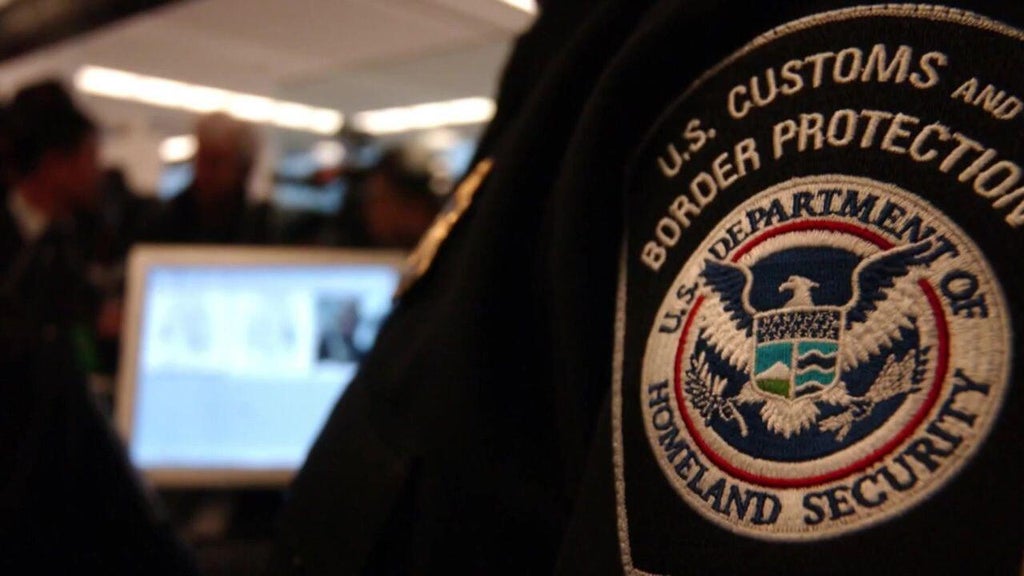
Political leaders, particularly those representing swing districts, are now navigating the complexities of public sentiment as they approach critical funding deadlines. Senate Minority Leader Chuck Schumer has stated that Senate Democrats will not support any funding bills that allocate money to the Department of Homeland Security (DHS). The decision comes as lawmakers face a deadline this weekend, raising the specter of a potential government shutdown.
Schumer expressed his disgust over the events in Minnesota, which included the deaths of Renee Good and Alex Pretti. In an interview with CBS News New York, he described the incident as deeply unsettling. “I felt like I was punched in the stomach. I looked at those pictures, those videos, over and over again and said this can’t be America. This is some kind of fascist dictatorship,” Schumer remarked.
The implications of a government shutdown could be dire, potentially destabilizing the economy and influencing voter sentiment ahead of the upcoming midterm elections. Lawmakers from New York, especially those in contested districts, are acutely aware that their political futures may hinge on how they respond to the crisis.
Republican Mike Lawler, who represents parts of the lower Hudson Valley, is calling for bipartisan cooperation regarding immigration enforcement. He emphasized the need for a constructive dialogue, stating, “There’s gotta be a de-escalation here.” Lawler advocates for common-sense solutions, including securing borders and creating a legal pathway for long-term undocumented residents.
In the wake of the Minneapolis shootings, Lawler has positioned himself as a voice for reason, urging a non-partisan investigation into the incident. He criticized inflammatory rhetoric that labels ICE as the “Gestapo” or citizens as “domestic terrorists,” asserting that such language is counterproductive.
Other local lawmakers are also reassessing their positions. Tom Suozzi, a Democratic representative from Long Island, has publicly acknowledged the backlash he faced after supporting a Homeland Security funding bill. In a message to constituents, Suozzi admitted, “I failed to view the DHS funding vote as a referendum on the illegal and immoral conduct of ICE in Minneapolis. I hear the anger from my constituents, and I take responsibility for that.”
His colleague, Laura Gillen, is also among the Democrats who broke ranks to support the funding measure. Both representatives are now grappling with the implications of their decisions in light of the public outcry.
As the deadline for funding approaches, the tension surrounding immigration policy and its enforcement continues to grow. The political landscape is shifting in response to the events in Minneapolis, and lawmakers are left to navigate the precarious balance between their party affiliations and the demands of their constituents. The coming days could prove pivotal for both the government’s financial future and the political fortunes of those involved.