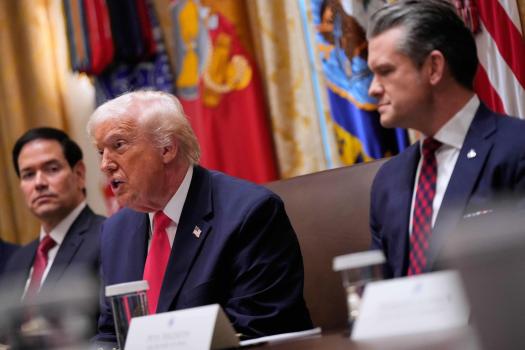
The intricate ties between Marco Rubio’s childhood experiences and contemporary U.S. foreign policy towards Venezuela have come to light, showcasing how personal history can shape national strategy. Rubio, now a prominent figure in President Donald Trump’s administration, played a significant role in the recent U.S. military actions aimed at destabilizing the regime of Venezuelan President Nicolás Maduro, a leader with close ties to Cuba.
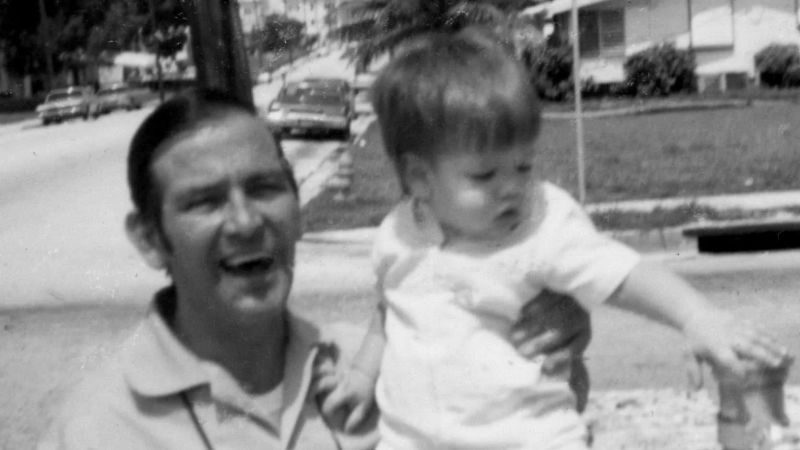
As a child, Rubio spent many afternoons on his grandfather’s front porch, absorbing tales of Cuban heroes and the struggles faced by his family after fleeing the communist regime. In his memoir, “An American Son,” Rubio reflected on his youthful aspirations to lead an army of exiles against Fidel Castro. Today, at 54, he finds himself at the forefront of a new chapter in U.S. foreign policy that some view as a continuation of his childhood ambitions.
Rubio’s ascent reflects a broader political landscape shaped by Miami’s Cuban exile community, which has long exerted significant influence in American politics. His experiences growing up in this environment, characterized by a deep-seated fear of socialism, have informed his political ideology and actions. Tomas Regalado, a former Miami mayor and Cuban American broadcaster, noted, “Marco has brought to the White House not just the knowledge and the history but how people feel when they have to flee everything they have.”
Rubio’s commitment to Cuban and Venezuelan freedom is seen as a reflection of the community’s shared history. Former Hialeah Mayor Steve Bovo emphasized this connection, stating, “A free Caracas should lead to a free Havana.”
Miami’s Exile Community Shapes Political Landscape
Miami’s Cuban immigrants have historically wielded considerable power in U.S. politics, particularly in Florida, a key battleground state. Events impacting the Cuban community, such as the 1980 Mariel boatlift and the 1999 custody battle over Elian González, have reverberated through electoral politics. Former Representative Carlos Curbelo articulated the importance of this heritage, explaining that political candidates must demonstrate their connection to the Cuban experience to gain support.
Rubio’s political journey began early, as he absorbed the sentiments of his Cuban American grandfather, who viewed America as a bastion against tyranny. These deeply held beliefs have contributed to the Republican Party’s strength among Cuban exiles, shaping Rubio’s own political identity. His early involvement in politics included internships with influential Cuban American lawmakers and a role in Bob Dole’s presidential campaign.
In 1998, Rubio won a seat on the West Miami Commission just as Venezuelans were electing Hugo Chávez, whose populist policies alarmed many in Miami. The Cuban community’s fears were realized as Chávez’s government adopted increasingly authoritarian measures, prompting a wave of Venezuelan migrants to seek refuge in the United States. Over the next decade, approximately 70,000 fled to the U.S., many settling in South Florida and joining forces with Cuban exiles to advocate for a strong stance against socialism in the region.
Rubio’s Evolving Role in U.S. Foreign Policy
Upon his election to the U.S. Senate in 2010, Rubio intensified his focus on Venezuela, becoming a vocal critic of Maduro. In 2014, he co-sponsored legislation imposing sanctions on the Venezuelan government, arguing that the country was becoming increasingly similar to Cuba under Chávez’s rule. Rubio’s advocacy during this period helped elevate his profile as a key player in U.S. foreign policy regarding Latin America, particularly as humanitarian crises in Venezuela escalated.
Despite setbacks during Trump’s first term, including a lack of progress in ousting Maduro, Rubio maintained his influence within the Republican Party. His stance became more prominent as he positioned himself as a critical voice against socialist regimes, frequently highlighting the humanitarian crisis in Venezuela through social media and public appearances.
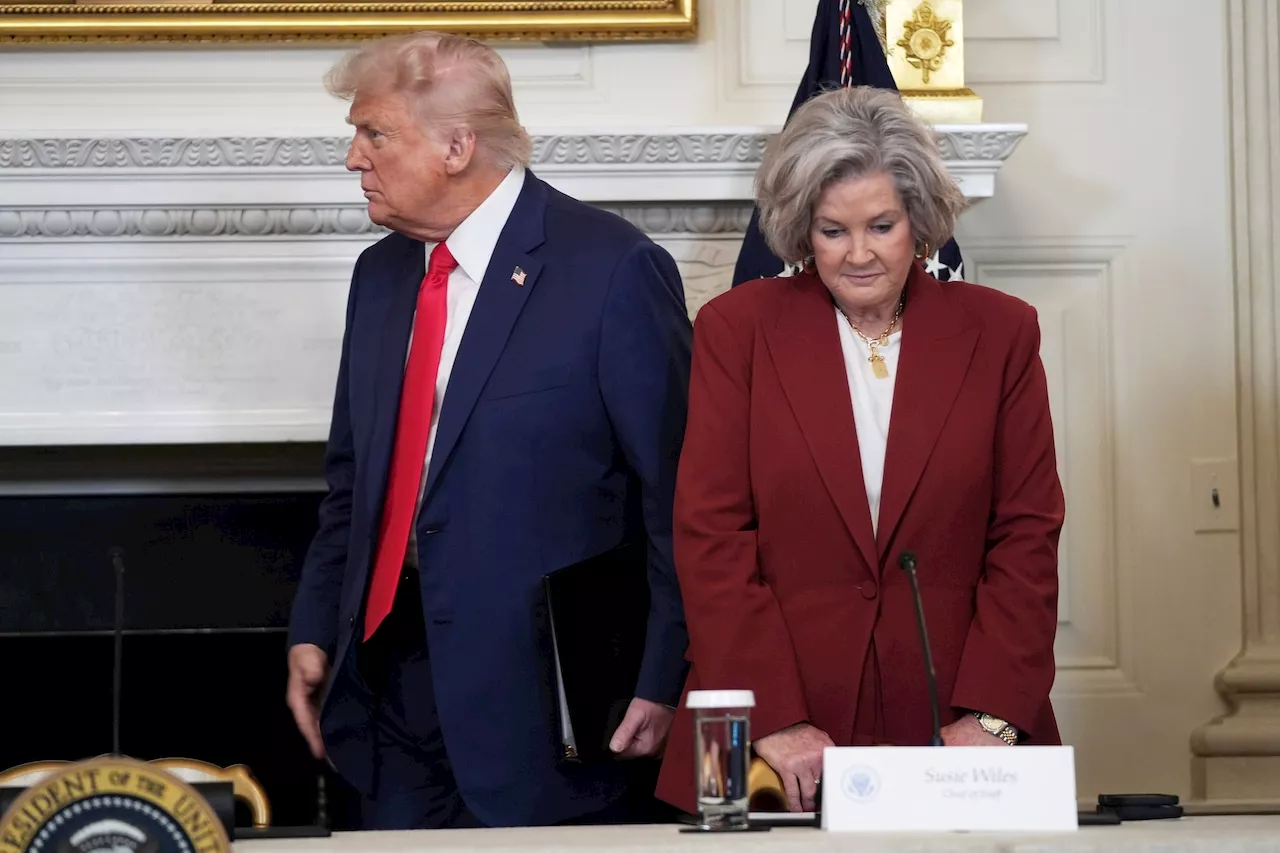
As Trump prepares for the 2024 election, Rubio has remained close to his inner circle, including campaign manager Susie Wiles. This relationship has allowed him to recalibrate his approach to Venezuela, shifting the focus from regime change to addressing issues like drug trafficking and countering foreign influence from Russia and China.
Venezuelan migration continues to pose challenges, with nearly 8 million people fleeing the country since 2014, according to the United Nations. Many of these migrants have settled in Florida, leading to ongoing discussions about their status in the U.S. Under President Joe Biden, many Venezuelan refugees received temporary protected status, a move supported by Rubio.
Rubio’s long game regarding Venezuela reflects his commitment to U.S. policy in the region. Friends and allies note that he has outlasted other hawks who lost favor after Trump’s presidency, and his influence on foreign policy could shape future U.S. interactions with Cuba and Venezuela.
In summary, Marco Rubio’s journey through the political landscape is deeply intertwined with his Cuban heritage and the historical struggles of his family. As he navigates the complexities of contemporary foreign policy, his experiences and beliefs continue to inform his actions on the global stage. For many in the Cuban and Venezuelan communities, the hope for change remains strong, with Rubio at the forefront of this ongoing narrative.