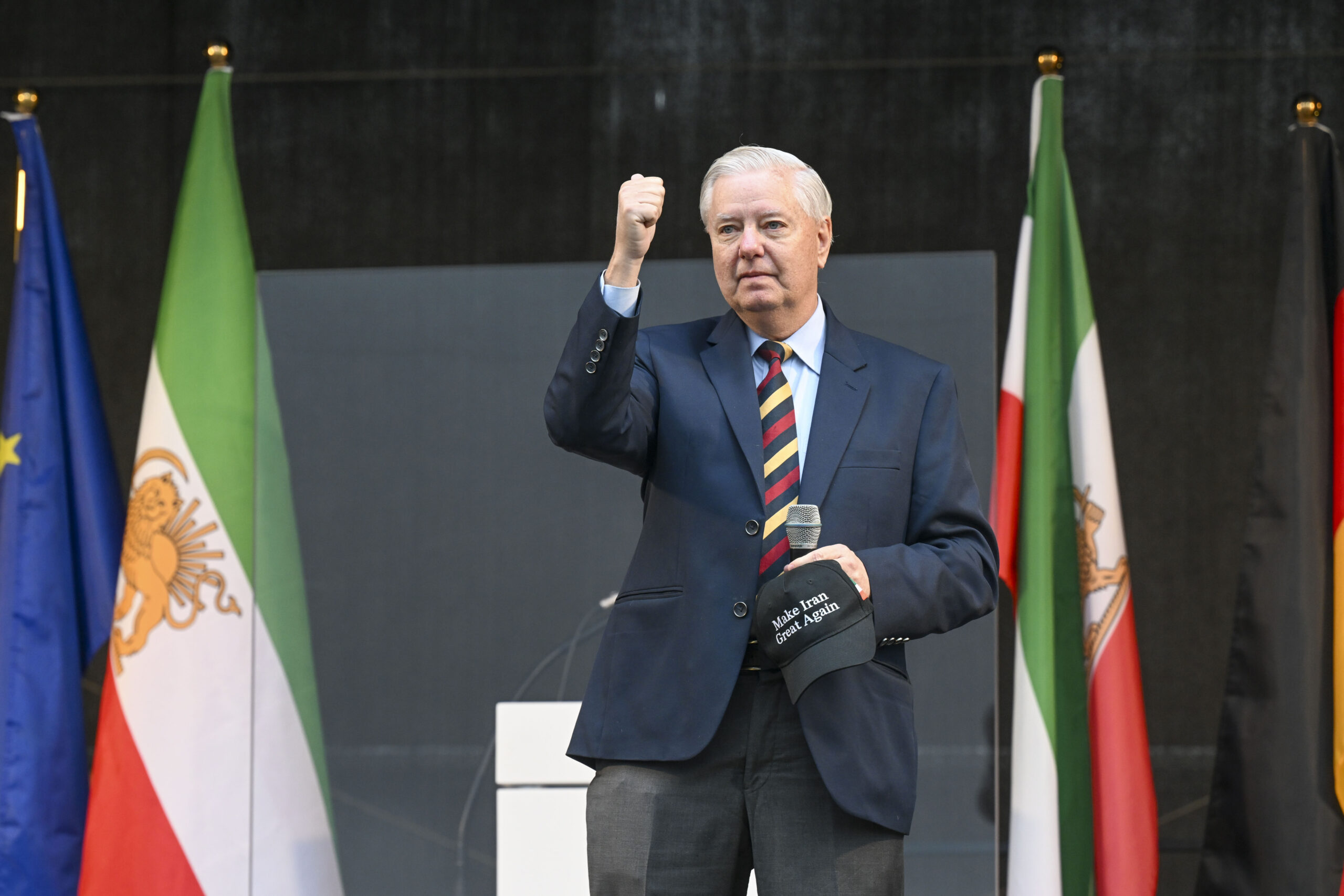
The United States has officially launched military action against Iran, marking a significant shift in U.S. foreign policy. This decision, announced on September 30, 2023, comes after extensive lobbying by Lindsey Graham, a senior Republican senator known for his long-standing advocacy for a hardline approach to the Iranian government.
The military engagement signifies a culmination of decades of efforts by Graham and other like-minded politicians who have argued that a decisive response is necessary to curb Iran’s influence in the Gulf region. For Graham, this move is not just a political victory; it represents the fulfillment of his vision for U.S. military involvement in countering threats posed by what he describes as an “aggressive Islamist regime.”
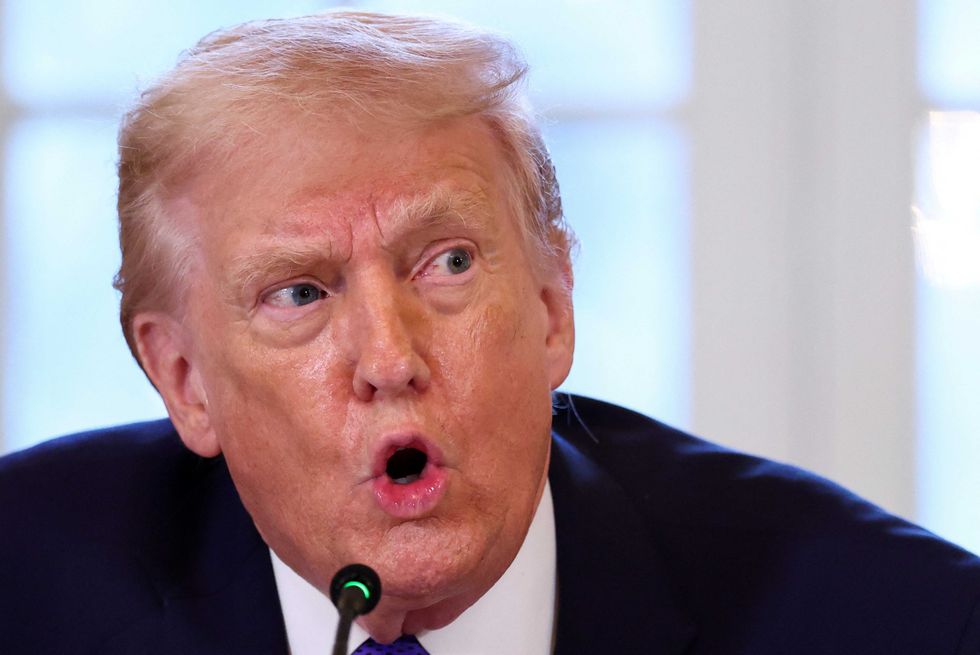
Graham’s influence on President Donald Trump was pivotal in this decision. The senator has maintained a close relationship with Trump, often advising him on foreign policy issues. His ability to convince the president to take this step underscores the ongoing alignment between the Republican Party’s leadership and more hawkish elements within its ranks.
The military operation aims to target key Iranian military assets and disrupt operations that have threatened U.S. interests and allies in the region. The Pentagon has indicated that this action is designed to reassure U.S. allies, particularly those in the Gulf, of America’s commitment to regional stability.
As the situation unfolds, it is evident that this military action will have significant implications for U.S.-Iran relations, which have been strained since Trump’s presidency began. The decision has sparked debate within Washington, with some lawmakers expressing concern over the potential for escalation and the humanitarian impact of military interventions.
September 30, 2023 marks a critical juncture in U.S. foreign policy, reflecting a shift back towards interventionist strategies that had been prominent in earlier administrations. The ramifications of this decision will likely resonate throughout the international community as analysts assess the potential outcomes of renewed military engagement in the Middle East.
The response from Iran has been swift, with officials condemning the U.S. actions as an act of aggression. In a statement issued shortly after the announcement, Iranian leaders vowed to retaliate against what they termed as “hostile actions.” Such rhetoric raises concerns about the potential for a broader conflict in the region, prompting calls for diplomatic solutions even as military operations commence.
As this situation develops, lawmakers will need to navigate the complexities of international relations and the potential fallout from this military engagement. Graham’s role in shaping U.S. policy towards Iran has been significant, and this latest action underscores his long-held belief that military strength is essential in dealing with perceived threats to national security.
The coming weeks will be crucial as the U.S. seeks to balance its military objectives with the need for diplomatic engagement, especially in light of the diverse opinions within Congress regarding the best approach to Iran.