As political polarization continues to deepen in the United States, many liberal Americans are expressing significant hesitations about dating individuals with conservative beliefs. The growing divide, particularly exacerbated during the Trump administration, has permeated into personal relationships, leaving some individuals declaring that they would rather remain single than date conservatives or even moderates.
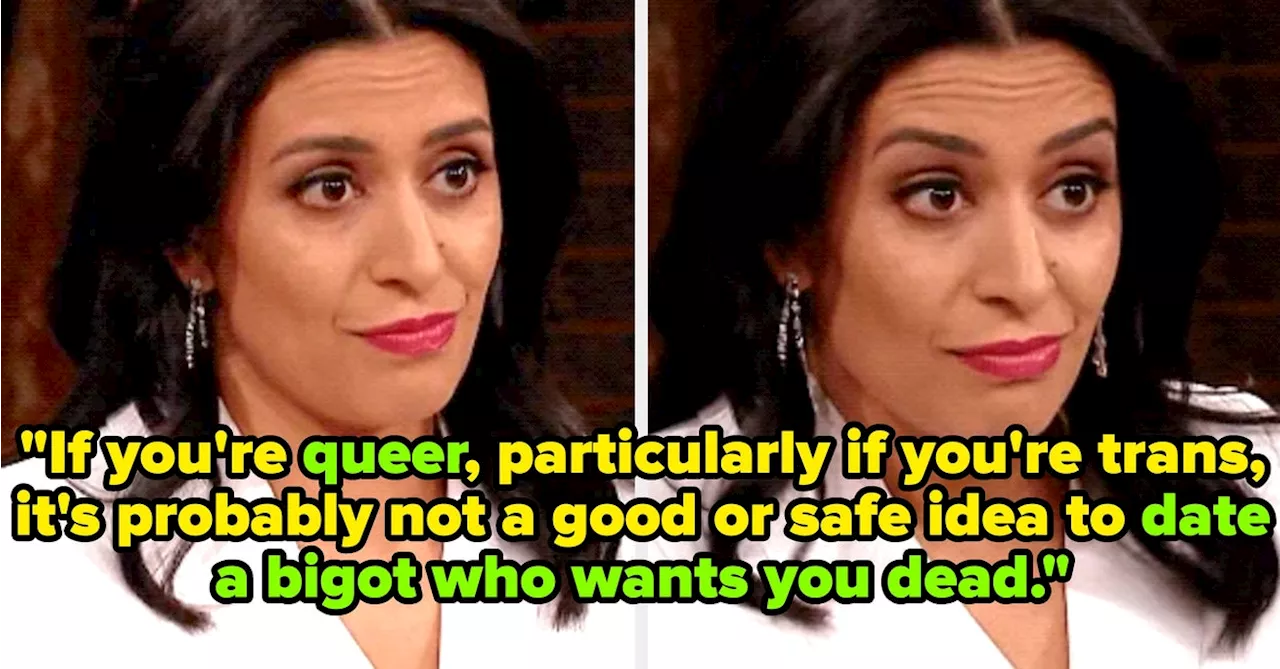
For many, the issue is not merely political; it is deeply personal. Members of the LGBTQ community have articulated straightforward concerns. One individual noted, “If someone wants to date me but also voted for a politician who campaigns on taking my rights away, I’m gonna decline.” The intertwining of personal identity and political allegiance creates a landscape where dating someone with opposing views feels unsafe and unwelcoming.
Immigrants similarly express discomfort. A respondent shared, “As an immigrant, I’m not a huge fan of dating someone who thinks I’m a lazy scum who should ‘go back to my own country.'” The fear of being devalued or marginalized is central to many responses, with one individual stating that they cannot imagine dating someone who could not be safely introduced to their diverse circle of friends and family.
The implications of dating a conservative extend beyond individual discomfort. Individuals often worry about the safety of their loved ones. One perspective highlighted the risks involved: “Dating someone who is a conservative would mean a risk of being doxxed and/or targeted.” This sentiment emphasizes how the political climate impacts not only romantic relationships but also the broader social circles that individuals navigate.
The reluctance to date conservatives also stems from cultural concerns. One individual remarked, “My culture holds a great deal of significance for me. I feel a conservative-minded person would be narrow-minded about exposing themselves to ‘other’ traditions.” This perception of ethnocentrism reinforces the idea that dating someone with opposing views could inhibit personal expression and cultural appreciation.
Moreover, the experiences of BIPOC individuals reveal another layer of complexity. Concerns regarding fetishization were raised, with one person stating that many conservative men view women from other cultures as “exotic,” which complicates genuine connection. In a similar vein, individuals expressed that dating those who align themselves with ideologies that foster systemic inequality is unacceptable.
Many liberal Americans are also unwilling to engage with individuals who support policies that undermine fundamental rights. One individual articulated, “If you vote against my interests or even vote for someone who voted against my interests… then I simply don’t feel safe with you.” This comment underscores the profound connection between political views and personal safety, as well as the moral dilemmas that arise from such beliefs.
The conversation surrounding dating and political affiliation has evolved, with many asserting that politics is no longer merely about policy decisions; it is about a person’s moral framework. One commenter summarized this shift: “Politics is no longer just politics — it’s about morality.” Individuals now see political beliefs as reflective of deeper values, and relationships built on fundamentally different worldviews often lead to inevitable conflict.
The emotional toll of aligning with someone who holds opposing views is further emphasized by concerns surrounding shared values. “A solid relationship is based on shared values,” one individual noted. “If you have fundamentally different views on the world, it will be a constant source of tension.” This perspective highlights the importance of compatibility in relationship dynamics.
In the context of dating apps and casual relationships, many individuals are becoming more forthright about their political preferences. An individual remarked, “I put in my dating bio that if you voted for Trump, we wouldn’t work out.” This proactive approach reflects a growing recognition of the importance of political alignment in fostering successful relationships.
Concerns about reproductive rights also feature prominently in the discussions. Many women, particularly those who identify as straight, expressed that they would not date individuals who are anti-abortion, stating that their bodily autonomy is non-negotiable. “My health isn’t up for debate,” one participant declared, emphasizing the gravity of such issues in personal relationships.
Gun control remains another contentious topic, with individuals voicing strong opinions about partners who hold opposing views. One person recounted a tragic incident involving a family member, illustrating the potential dangers of differing beliefs regarding firearm safety. “Never ever allow someone who treats guns like toys around your kids. Ever,” they cautioned.
The emotional impact of political affiliations extends into family dynamics as well. Potential in-laws may carry similar views, complicating future relationships. One individual reflected on their experience, stating, “You also really learn what your future in-laws could be like since parental opinions generally influence kids.”
Overall, the reluctance to date conservatives stems from a variety of factors, including personal safety, cultural alignment, and shared values. As the political landscape continues to evolve, so too do the expectations and boundaries in personal relationships. For many, the stakes are high, and the desire for meaningful connections often leads to a careful consideration of political beliefs.
Navigating these complex dynamics requires a nuanced understanding of how politics intertwine with personal identity and societal values. As liberal Americans articulate their dating preferences, they highlight the profound impact of political ideologies on individual relationships in today’s polarized environment.