In the ongoing discourse about American health care reform, the value of local solutions cannot be overstated. Federally Qualified Health Centers (FQHCs) provide essential health services to more than 30 million people annually across the United States. Their mission is to deliver comprehensive, community-based primary care to anyone in need, irrespective of insurance status or ability to pay. In the Lehigh Valley region, three key organizations exemplify this mission: Valley Health Partners Community Health Center, Neighborhood Health Centers of the Lehigh Valley, and Star Community Health.
Services and Impact of Local Health Centers
These three health centers operate independently, each with a unique history and patient base. Nevertheless, they share a common goal: to improve health outcomes and reduce disparities within the community. The national FQHC model mandates that these centers offer a broad array of services, including primary care, preventive services, behavioral health, and dental care. Additionally, they provide enabling supports like transportation and interpretation, ensuring that care is accessible to all.
Research indicates that FQHCs significantly reduce avoidable emergency room visits and lower overall health care costs. In the Lehigh Valley, this model is exemplified by Valley Health Partners (VHP), which serves some of Allentown’s most underserved neighborhoods and has expanded services to Easton and the Poconos. VHP emphasizes compassion, accessibility, and cultural sensitivity, values that are integrated into its daily clinical practices. The center operates a network of family health centers, pediatric services, and behavioral health programs. Its school-based health sites allow children to receive preventive care without disrupting their education, thereby improving overall health and reducing absenteeism.
VHP’s integration with the Lehigh Valley Health Network enhances continuity of care, particularly for uninsured or low-income patients. This seamless transition from hospital to primary care helps prevent complications and unnecessary emergency visits, highlighting how FQHCs can support the broader health care system while bolstering individual and family health.
Collaborative Care Approaches
Neighborhood Health Centers of the Lehigh Valley operates clinics in Allentown, Bethlehem, and Easton, providing integrated primary care, dental services, and health education. Known for its team-based approach, NHCLV brings together physicians, nurse practitioners, and behavioral health clinicians to collaborate on patient needs. This model fosters a comprehensive understanding of each patient’s circumstances, which is essential for achieving better long-term health outcomes.
Partnerships with local schools, shelters, and nonprofits expand NHCLV’s reach and address social determinants of health, such as housing instability and food insecurity. This holistic approach is a prime example of how value-based care should function, breaking down silos and promoting accessibility.
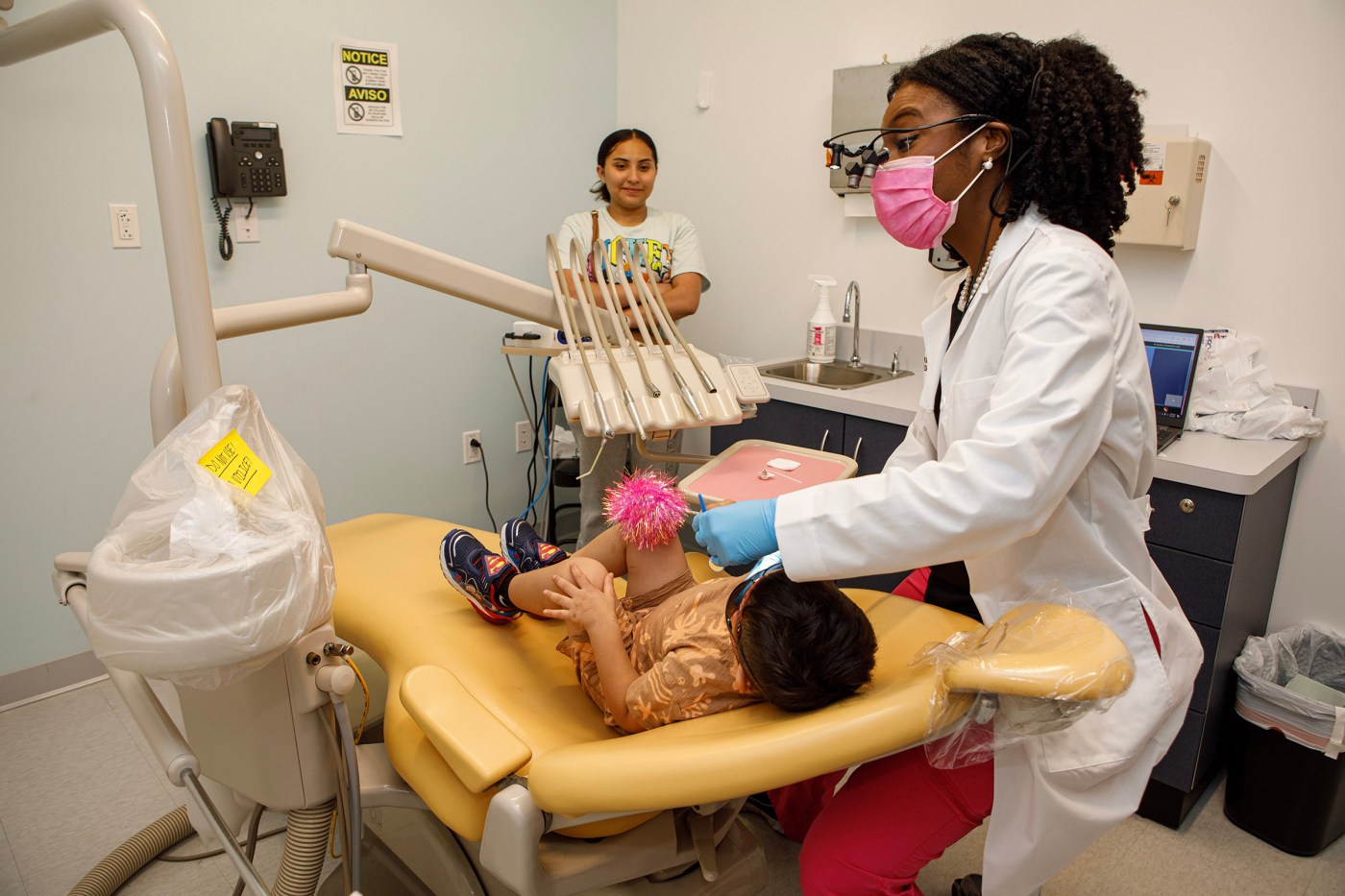
Star Community Health, affiliated with St. Luke’s University Health Network, further strengthens the health safety net in the Lehigh Valley. Star provides a range of services, including family medicine, dental care, OB/GYN services, and pediatric practices. Notably, its mobile dental units and health outreach programs deliver preventive care directly into neighborhoods, schools, and community centers, reaching thousands of children who might otherwise lack access to essential health services.
Each of these FQHCs plays a crucial role in the community, collectively creating a network that enhances access to care, improves quality, and drives down costs. Together, VHP, NHCLV, and Star:
- Serve tens of thousands of residents, regardless of insurance status.
- Reduce avoidable emergency room use through effective primary care.
- Improve maternal and pediatric health outcomes.
- Address language barriers and transportation challenges.
- Provide culturally responsive care that fosters trust.
- Strengthen coordination with local hospitals and health systems.
This collaborative model exemplifies high-value health care, delivering superior outcomes at a lower cost, particularly for vulnerable populations. As health care costs continue to rise and workforce shortages persist, the importance of these three FQHCs will only increase. Policymakers, employers, and community members should recognize their value as strategic assets, rather than merely safety-net providers.
In a health care landscape often perceived as impersonal and inaccessible, the Lehigh Valley’s FQHCs provide a vital service, rooted in community, dignity, and equity. Valley Health Partners, Neighborhood Health Centers of the Lehigh Valley, and Star Community Health are not just integral to the region’s health care framework; they are essential to its future.
This article reflects the views of Tom Whalen, a retired physician and vice chair of the Board of Valley Health Partners. The opinions expressed do not necessarily represent the views of this publication.