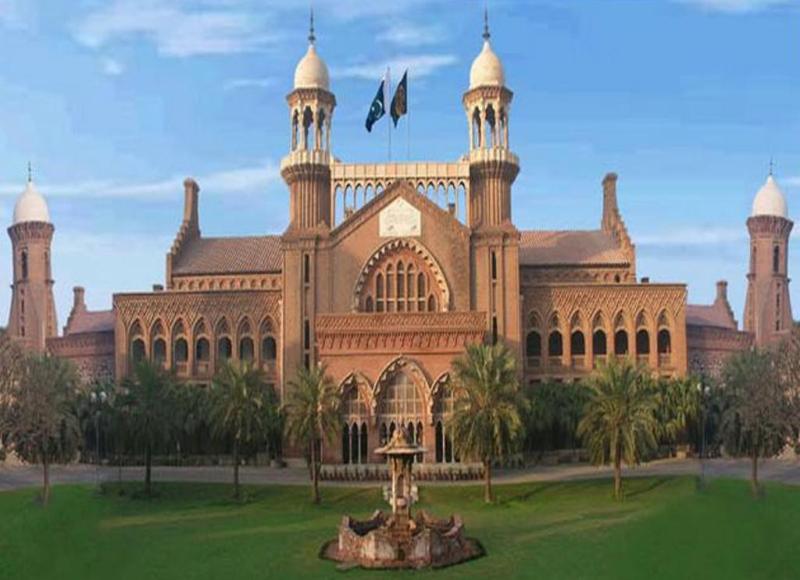
The Lahore High Court is currently embroiled in a significant institutional conflict regarding its internal administrative processes and the formation of judicial benches. This situation has arisen from ongoing legal proceedings that have highlighted critical constitutional issues related to bench formation, case distribution, and the exercise of administrative powers.
Key Issues Raised in Court
Sources indicate that essential questions have emerged concerning whether the formation of benches should be governed by formal rules or if it can remain an arbitrary power. Legal experts argue that the implications of this conflict extend beyond mere administrative concerns, touching upon judicial autonomy and internal accountability.
Among the key points being debated are:
- Should the formation of benches adhere to established regulations?
- How can transparency in case distribution be guaranteed?
- Is institutional consultation necessary for administrative decisions?
Senior lawyers emphasize that a lack of clarity and transparency in administrative powers could undermine judicial impartiality, a matter of grave concern for any higher judicial institution. The outcome of these discussions may set a precedent not only for the Lahore High Court but potentially for other high courts across Pakistan.
Legal Community’s Response
The legal community is closely monitoring the situation, viewing it as a critical juncture for Pakistan’s judicial system. Representatives from various bar associations have expressed that the ruling in this case could redefine the parameters of judicial administrative powers and establish mechanisms for enhanced transparency.
In light of the ongoing proceedings, security has been heightened around the Lahore High Court. A considerable number of lawyers and litigants are participating in the hearings, creating a charged atmosphere that reflects the seriousness of the situation. There is an unusual level of tension within the courtroom, indicating the national significance of the case.
Legal analysts suggest that the resolution of this dispute could serve as a pivotal moment for the judicial landscape of Pakistan. The decision will likely influence the future of judicial governance and the adherence to constitutional boundaries within the legal framework.
As developments unfold, HRNW remains dedicated to providing responsible and in-depth coverage of this critical constitutional matter. Your support is vital for sustaining independent journalism. To contribute, please consider donating at https://www.hrnww.com/donate-us/.