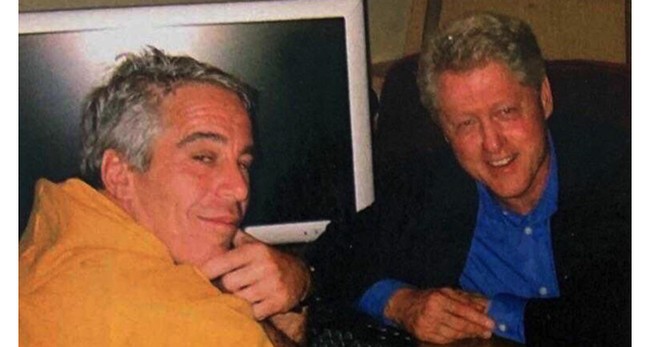
The release of Jeffrey Epstein’s files by the Department of Justice has sparked renewed scrutiny of former President Bill Clinton. The documents, which include photographs and details about Epstein’s connections, have led to a heated debate among political figures, particularly regarding Clinton’s relationship with the convicted sex offender.
On Sunday, Democrat Tim Kaine, who served as Hillary Clinton’s running mate in the 2016 presidential election, was questioned about whether Clinton owes the public an explanation regarding his ties to Epstein. During an appearance on NBC’s Meet the Press, Kaine emphasized the need for transparency, stating, “If there are unanswered questions he should address them and I suspect he will.” This response, however, quickly pivoted back to criticisms of former President Donald Trump, highlighting a pattern where Clinton’s controversies are often reframed in the context of Trump.
Kaine’s remarks came in the wake of significant media attention on a particular image featuring Clinton at a poolside with a woman, whose identity has been obscured. The photograph has elicited various reactions, ranging from calls for accountability to outright dismissals of its significance. Critics argue that Clinton is receiving leniency from the media that would not be afforded to Trump if he were in a similar situation.
In the ongoing discourse, some commentators have noted a disparity in how the two former presidents are treated by the press. Observers point out that while Clinton is often given the benefit of the doubt, Trump faces more scrutiny for similar associations. This disparity raises questions about media bias and the broader implications of the Epstein files on public perception.
Kaine’s defense of Clinton has not gone unnoticed. Many individuals on social media have expressed skepticism about the motivations behind the focus on Trump, suggesting that the Democrats’ efforts to link Trump to Epstein may inadvertently highlight Clinton’s past associations. Some users have even suggested that political motives are at play, proposing that Democrats are willing to sacrifice Clinton’s reputation to discredit Trump.
Despite the controversy, it remains uncertain whether Clinton will make a public statement addressing the Epstein files. As the political landscape evolves, the ramifications of these revelations could have lasting effects on the public’s trust in political figures.
The discussion surrounding the Epstein files illustrates the complex interplay between politics and public perception. As both parties navigate the fallout from these revelations, the need for accountability and transparency remains a critical issue for voters. The situation continues to develop, and additional responses from key figures will likely shape the narrative in the coming weeks.