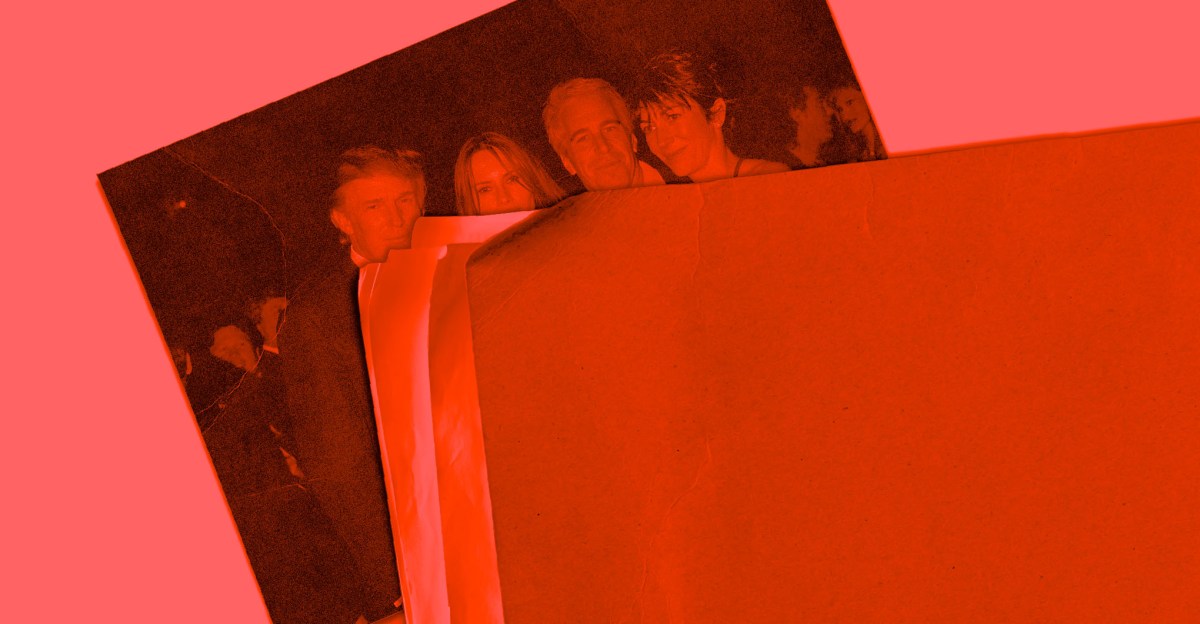
The Justice Department is under scrutiny for its handling of the release of documents related to convicted sex offender Jeffrey Epstein. The agency attributed the delay in releasing certain files to the need for careful redaction of sensitive details, particularly those identifying Epstein’s victims. However, initial reports indicate that some of the redactions may have inadvertently revealed information that was intended to remain confidential.
The controversy arose after a complaint filed by the US Virgin Islands in March 2022, seeking damages from Epstein’s estate, was made available on the Justice Department’s website. This document, part of what has been termed the “Epstein Library,” included numerous redactions, but critics noted that simply copying and pasting the redacted text into a new document sometimes exposed the concealed information. According to Mike Masnick, founder of Techdirt, this method exposed details regarding payments from Epstein’s foundation to “young female models and actresses,” including a mention of a former Russian model.
The findings did not stop there. Reports indicated that one co-executor of Epstein’s estate allegedly signed checks totaling over $400,000 to individuals related to these models. Furthermore, it was claimed that this co-executor had made payments to an immigration lawyer who was allegedly involved in arranging forced marriages among Epstein’s victims. These revelations complicate the narrative surrounding the financial dealings connected to Epstein’s estate and raise further questions about the handling of victim information.
In addition to the redaction issues, Drop Site News reported that its team managed to deduce the URLs of additional files not yet publicly available by analyzing the existing links. Although this led to a broken link being discovered by Wired, it highlights potential security gaps in the DOJ’s handling of sensitive materials.
The Justice Department faced further backlash when it temporarily removed a photograph from the files that included images of prominent figures, such as Donald Trump and former President Bill Clinton, alongside the Pope. The Southern District of New York flagged this image for review, prompting the agency to state it had removed it to “protect victims.” Following public outcry, the DOJ restored the image, asserting that after reviewing the content, there was no evidence to suggest victims were depicted in the photo.
As the Justice Department continues to navigate the complexities surrounding Epstein’s case, the fallout from these redaction errors and the handling of sensitive materials may have lasting implications for its credibility and the ongoing pursuit of justice for Epstein’s victims. The agency has not yet responded to requests for further comment regarding these incidents.