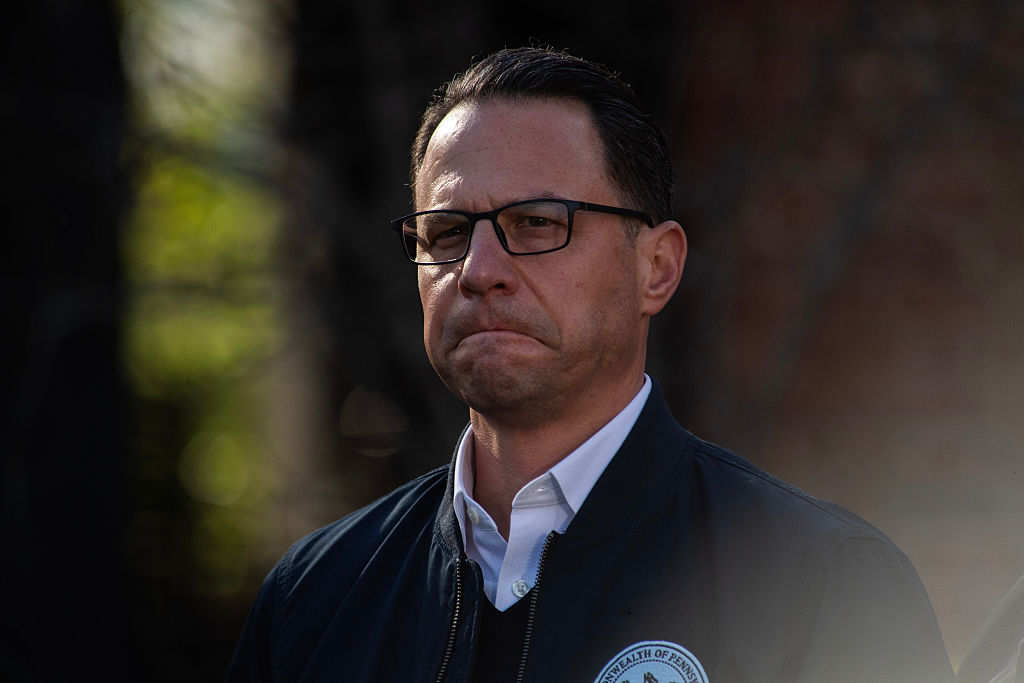
Josh Shapiro, the Governor of Pennsylvania, recently shared details about a vice presidential interview that took a controversial turn. During a discussion, he faced blunt suggestions implying dual loyalty, specifically related to his support for Israel. This revelation has raised questions about the political landscape and the scrutiny public figures face regarding their international affiliations.
The interview took place in August 2023, where Shapiro was considered a potential candidate for the vice presidential nomination within the Democratic Party. According to Shapiro, what began as a straightforward conversation quickly shifted to pointed inquiries about his commitment to both the United States and Israel. The implications of such questions suggest a deeper scrutiny of loyalty, particularly for politicians with strong ties to international allies.
In a statement made to reporters, Shapiro expressed his dismay over the nature of the questions he faced. He emphasized the importance of loyalty to one’s country but also highlighted the need for a nuanced understanding of global relationships. “My support for Israel does not diminish my commitment to the United States,” Shapiro remarked, underscoring the complexities of navigating international politics.
The notion of dual loyalty has historically been a contentious topic in American politics, especially concerning Jewish leaders and their relationships with Israel. Critics argue that such inquiries can perpetuate stereotypes and undermine the contributions of leaders who advocate for strong U.S.-Israel ties. Shapiro’s experience reflects a broader concern among many public figures who may fear that their international affiliations will be misinterpreted as conflicting loyalties.
As the political climate evolves, the implications of Shapiro’s comments extend beyond his personal experience. They highlight the ongoing debate about how politicians engage with foreign nations while maintaining their primary allegiance to their country. The Democratic Party faces a particularly challenging landscape, where balancing support for allies like Israel must be carefully managed to avoid internal discord and public backlash.
Shapiro’s candidness about the interview is a reminder that many politicians grapple with the delicate balance of foreign policy and domestic loyalty. The questions he faced serve as a reflection of the pressures public figures encounter while navigating a complex geopolitical landscape. This incident could influence how future candidates approach discussions about foreign policy, particularly in light of the sensitive nature of international relations.
In light of these developments, political analysts will likely continue to examine the ramifications of Shapiro’s experience. The intersection of loyalty, identity, and political affiliation remains a significant issue, shaping the discourse around leadership in the modern era. As the Democratic Party prepares for upcoming elections, the conversations sparked by Shapiro’s remarks may play a crucial role in defining the party’s stance on foreign relations and loyalty.