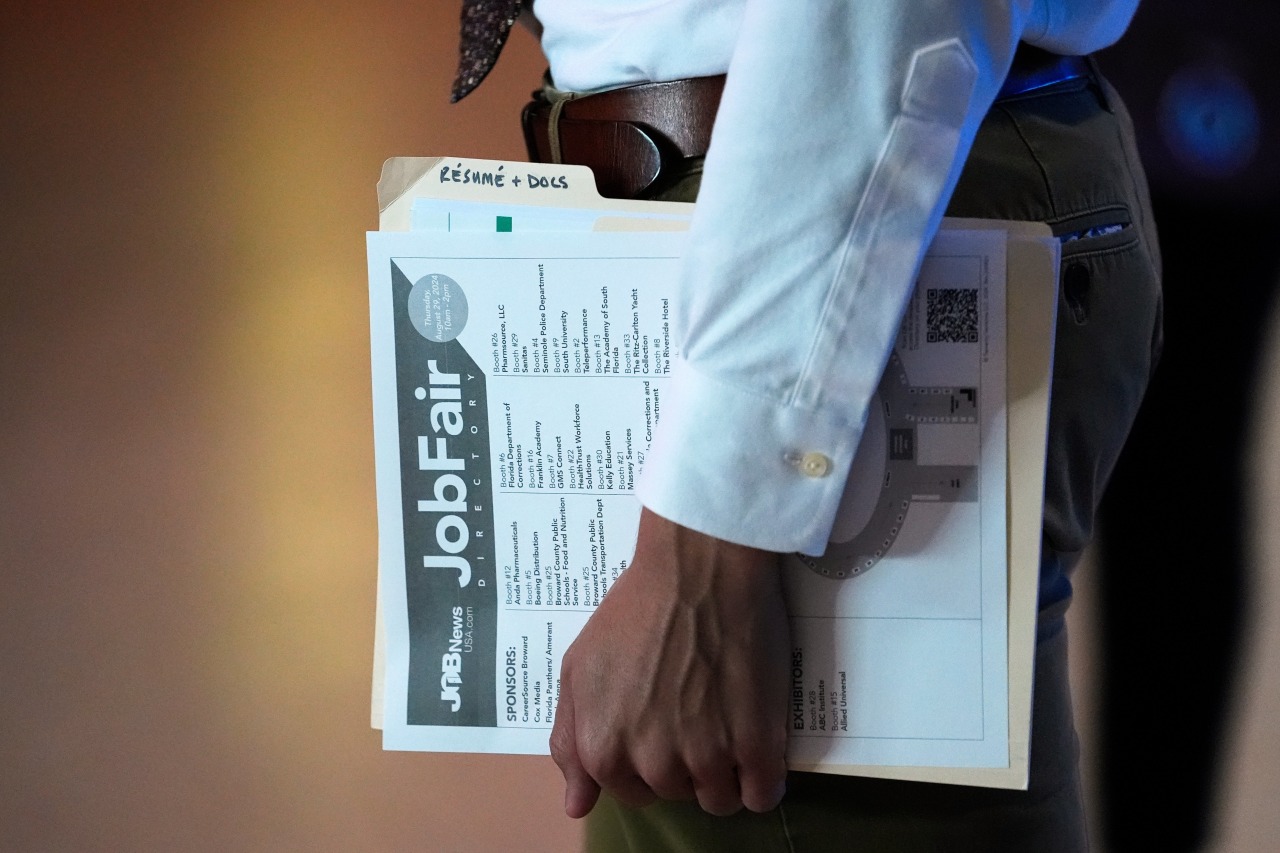
The jobless rate in the United States has seen an increase during the presidency of Donald Trump, reflecting historical patterns observed in similar economic circumstances. This rise in unemployment is garnering attention, particularly as it aligns with trends noted in past administrations. According to a recent analysis in the Wall Street Journal, the current economic climate bears similarities to previous periods marked by rising jobless rates, often accompanied by significant societal challenges.
In addition to economic concerns, political developments are also unfolding. Susie Wiles, a key figure in Republican circles, has stepped into the spotlight, adding to the dynamic political landscape as the 2024 elections approach. Her involvement is seen as a potential influence on campaign strategies and voter outreach efforts.
Meanwhile, speculation surrounding a new candidate for the Federal Reserve is heating up. The central bank’s decisions play a crucial role in shaping economic policy, and the appointment of new leadership could have far-reaching implications. As the nation grapples with rising unemployment, the Fed’s strategies will be closely monitored by both economists and policymakers.
Controversy also surrounds the Pentagon, as Hegseth indicated that the military will not be releasing video footage related to a boat strike that occurred on September 2. This decision has raised questions about transparency and accountability within the defense establishment, particularly in light of recent events that have prompted public scrutiny.
The combination of rising unemployment, shifting political dynamics, and defense controversies paints a complex picture of the current American landscape. As the situation evolves, stakeholders across various sectors will be watching closely, assessing how these factors will influence the broader economic and political climate in the coming months.