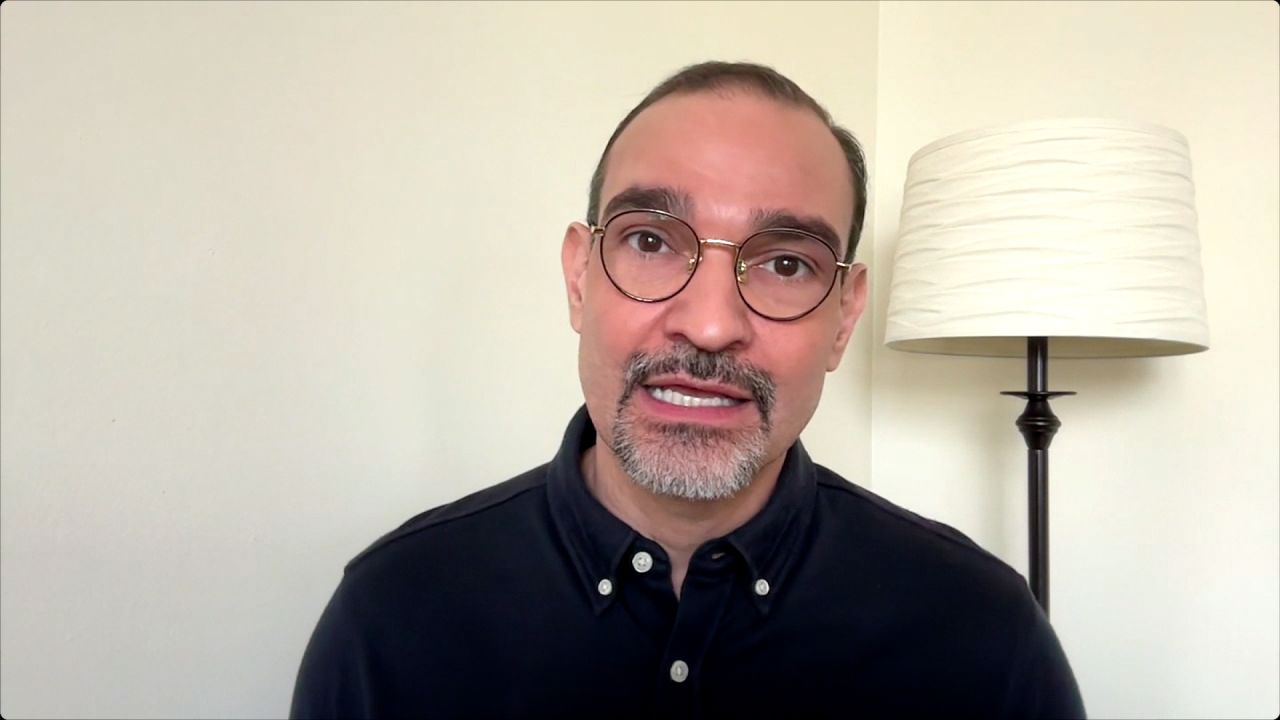
The Pentagon’s recent decision to pause initial training for military recruits living with HIV has drawn sharp criticism from activist and Broadway actor Javier Muñoz. Speaking to CNN, Muñoz described the order as a message that is “rooted in bigotry and discrimination” towards individuals affected by the virus.
The policy change, announced in early October 2023, affects a significant number of potential recruits who are HIV-positive. This move effectively halts their entry into military service during a time when many advocates argue for progressive reforms regarding health and inclusion within the armed forces. Muñoz highlighted that the decision contradicts the growing acceptance and understanding of HIV in society, noting that advancements in treatment allow individuals with the virus to lead healthy lives.
Concerns Over Stigma and Discrimination
Muñoz’s comments emphasize the broader implications of the Pentagon’s stance. He argued that it fosters stigma around HIV/AIDS, a condition that has seen significant medical advancements in recent decades. The actor pointed out that the military’s approach to HIV not only affects the recruits but also perpetuates societal misconceptions about the virus.
In his discussion with Danny Freeman from CNN, Muñoz expressed concern that the decision conveys a lack of awareness about the realities of living with HIV. He stated, “This is not just a military issue; it’s a societal issue. When institutions like the Pentagon make such decisions, it sends a signal that discrimination against those living with HIV is acceptable.”
The policy shift has sparked a wave of reactions from health advocates, who argue that it undermines efforts to destigmatize HIV. Many believe that the military should reflect the values of inclusivity and equality, especially as global attitudes towards the virus have evolved.
Implications for Military Recruitment and Health Policy
The Pentagon’s decision comes at a time when the U.S. military is grappling with recruitment challenges. The military has faced difficulties in meeting its recruitment goals, making the exclusion of a demographic that could contribute to its ranks particularly contentious. Critics argue that this policy could further limit the pool of potential recruits and hinder the military’s ability to adapt to modern health standards.
Advocates for HIV-positive individuals assert that the military should provide support and resources that empower these individuals to serve. They argue that with appropriate medical care, including access to antiretroviral treatments, individuals living with HIV can serve without risk to their health or the health of others.
The Pentagon has not yet released a detailed explanation for its decision, leaving many to question the rationale behind pausing training for recruits living with HIV. As discussions continue, the impact of this policy on both military recruitment and public health remains a pressing concern.
Muñoz’s comments serve as a reminder of the ongoing fight against stigma and discrimination faced by those living with HIV. As he continues to advocate for change, the broader conversation surrounding health policies and inclusivity in the military is likely to intensify.
This situation highlights the need for a reassessment of military policies regarding health and inclusion, ensuring that all individuals, regardless of their health status, have the opportunity to serve their country without fear of discrimination.