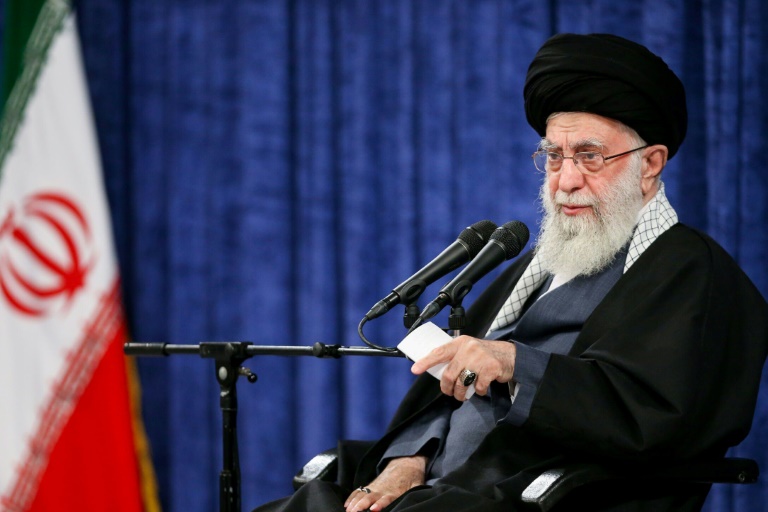
Iranian Supreme Leader Ali Khamenei issued a pointed warning to U.S. President Donald Trump as significant negotiations between the two nations were set to begin in Geneva on March 5, 2024. In a series of posts on social media, Khamenei emphasized Iran’s military capabilities while dismissing any notion that the U.S. could impose limits on its ballistic missile program.
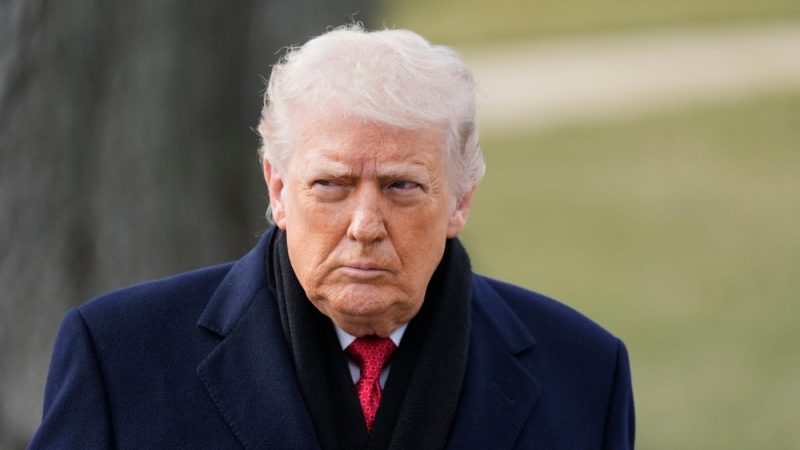
Khamenei’s messages included a direct challenge to Trump’s assertions about U.S. military strength. He stated, “The U.S. President keeps saying that they have the strongest military force in the world. The strongest military force in the world may at times be struck so hard that it cannot get up again.” This statement underscores the tension surrounding the ongoing discussions, which focus on Iran’s nuclear program and the potential lifting of sanctions.
In his communications, Khamenei also addressed the U.S. naval presence in the region, specifically mentioning two aircraft carriers. He remarked, “The Americans constantly say that they’ve sent a warship toward Iran. Of course, a warship is a dangerous piece of military hardware. However, more dangerous than that warship is the weapon that can send that warship to the bottom of the sea.” This rhetoric indicates Iran’s commitment to maintaining its defensive posture amidst external pressures.
While Khamenei rejected any limitations on Iran’s missile capabilities, Trump expressed optimism during his flight to Switzerland. He remarked to reporters aboard Air Force One that he believes Iran is eager to reach a deal, stating, “I don’t think they want the consequences of not making a deal.”
Negotiations are expected to cover a range of topics, with the U.S. looking to address issues beyond just the nuclear program, including Iran’s missile activities. This multifaceted approach reflects the complexities of the diplomatic landscape as both parties strive to find common ground.
Adding to the political discourse, Republican Senator Lindsey Graham urged Trump to take a firmer stance against the Iranian regime. Speaking at a panel during the Munich Security Conference, Graham warned that failure to act could lead to dire consequences, stating, “It will be a disaster if he doesn’t.” He articulated concerns about America’s reliability on the global stage, emphasizing that inaction could undermine trust in U.S. commitments.
As the negotiations unfold in Geneva, the contrasting positions of the U.S. and Iran highlight the challenges of achieving a comprehensive agreement. Khamenei’s statements and Trump’s cautious optimism reflect the high stakes involved, not only for the two nations but also for broader regional stability. The outcome of these discussions could have lasting implications for international relations and security dynamics in the Middle East.