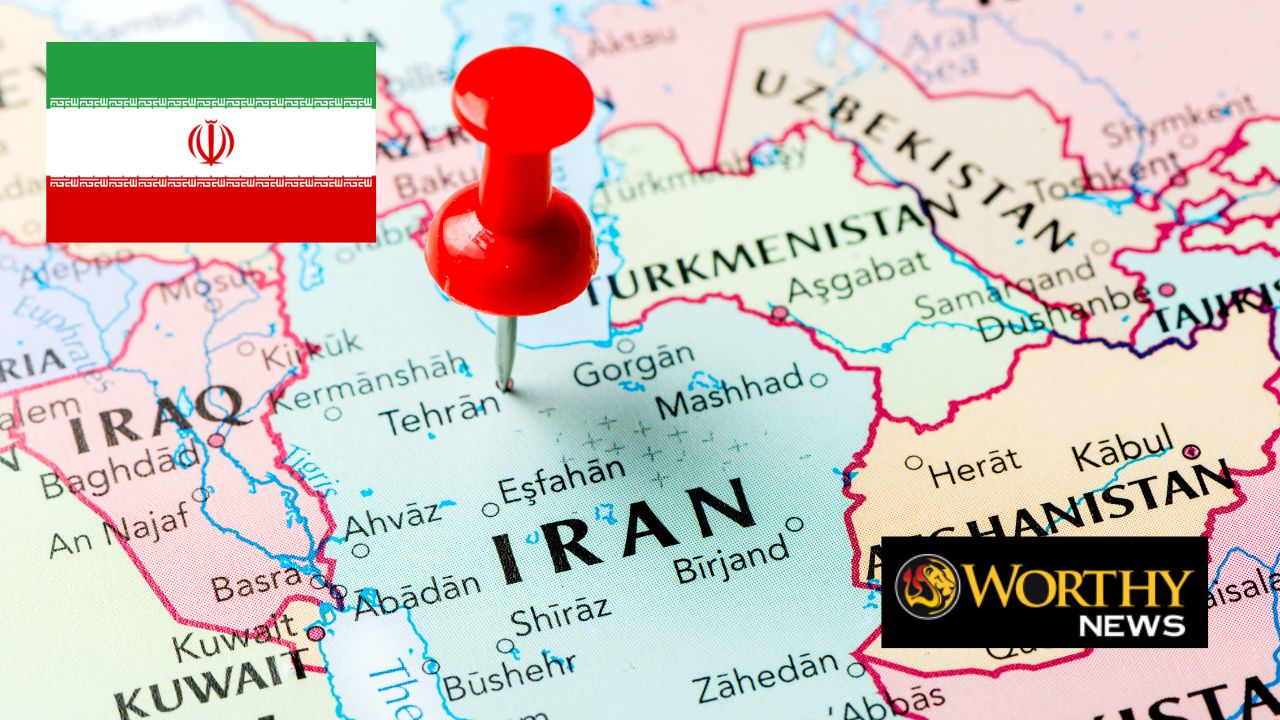
Tensions between Iran and the United States escalated on February 12, 2026, as Iranian officials declared that the country’s missile capabilities are “non-negotiable.” The statement came from Ali Shamkhani, an adviser to Iran’s supreme leader, during a march commemorating the 47th anniversary of the Islamic Revolution. This warning coincides with increasing military activity by the U.S. in the region and ongoing unrest within Iran following a violent crackdown on nationwide protests.
Indirect negotiations between U.S. and Iranian diplomats took place last week in Oman, with both sides communicating through intermediaries in an effort to prevent further conflict. These talks occurred against the backdrop of a significant U.S. military presence in the area, which includes the redeployment of mobile missile systems at Qatar’s al-Udeid Air Base, the largest U.S. military installation in the Middle East. Analysts have noted that the use of truck-mounted Patriot missile systems enhances mobility and allows for quicker repositioning for both defensive and offensive operations.
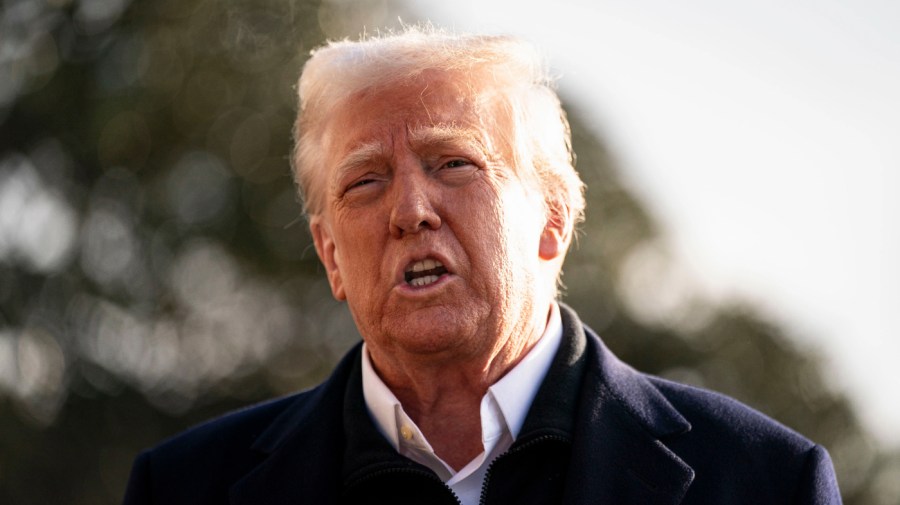
U.S. President Donald J. Trump has threatened military action against Tehran due to its nuclear and ballistic missile programs, support for armed groups in the region, and suppression of dissent. Despite the heightened rhetoric, diplomatic efforts continue, with the aim of averting a larger military confrontation.
Escalating Military Presence and Domestic Unrest
The U.S. maintains military bases across the Middle East, including locations in Iraq, Jordan, Kuwait, and Saudi Arabia. In response to any potential strike on Iranian soil, the Islamic Revolutionary Guard Corps has warned it could retaliate against U.S. forces stationed in these countries. Recent satellite imagery indicates a buildup of U.S. military assets, including aircraft and equipment, heightening concerns about potential conflict.
Domestically, Iran grapples with significant unrest following protests that erupted in late December 2025. Activist organizations, including the Human Rights Activists News Agency, report that over 7,000 people have died during the government’s crackdown on dissent, though Iranian authorities acknowledge only 3,117 fatalities. Advocacy groups suggest the true death toll could be much higher, potentially reaching tens of thousands, although independent verification is challenging due to media restrictions.
Communications blackouts across Iran have further complicated efforts to assess the situation accurately. Human rights organizations have condemned what they describe as disproportionate force against largely peaceful protesters, with alarming reports of violence occurring even within medical facilities.
Negotiation Stalemate and Strategic Posturing
Despite ongoing diplomatic initiatives, including the latest indirect discussions in Oman, no tangible progress has been reported. Both sides continue to engage in military posturing, underscoring the deep mistrust that characterizes their relationship. Iran has firmly resisted U.S. and allied demands to include its ballistic missile program in nuclear negotiations, asserting that these capabilities are integral to its national defense.
Tehran’s position maintains that its missile systems represent a sovereign right and a “red line” that cannot be crossed in negotiations. This situation reflects the complex interplay of diplomacy and deterrence, with high stakes for both nations as they navigate a fraught geopolitical landscape.