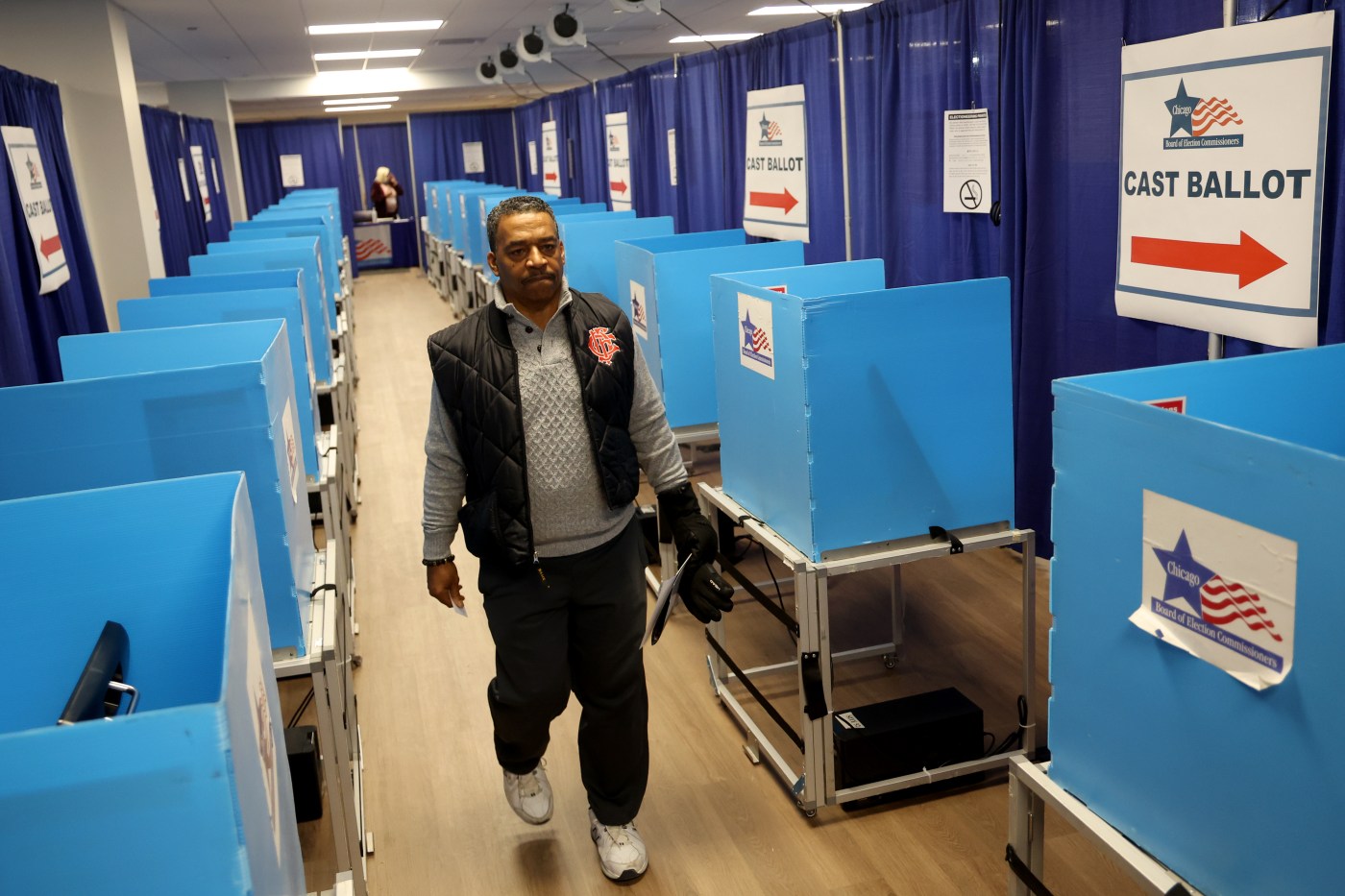
Discontent over the structure of primary elections in Illinois has prompted renewed calls for reforms, particularly regarding open primaries. Several voters have voiced frustration over the limitations imposed by the current system, which they argue undermines their ability to participate meaningfully in the electoral process.
Illinois’ primary elections are often characterized as “closed,” requiring voters to declare a party affiliation to participate. Independent voters, like Paul Valentine Pomykala, have expressed dissatisfaction with this arrangement. Pomykala notes that while he may wish to vote for candidates across party lines, such as Robin Kelly for Senate and Darren Bailey for governor, the current system prohibits this choice. He emphasizes that taxpayer money funds these elections, despite their restrictive nature.
Many believe the fear of cross-party influence is unfounded. Pomykala argues that if members of one party are concerned about voters from another party affecting their primaries, it may indicate a need to reassess the quality of their candidates. This sentiment resonates with others who have also raised concerns about the fairness of the primary system.
Another voter, Frank L. Schneider, highlighted a significant flaw in the primary election process, where a candidate can win with less than 20% of the vote. Schneider suggests implementing a simpler solution: a runoff election between the top two candidates if no one achieves a majority. He points out that many states already employ runoff elections, which ensure a more democratic representation of voters’ preferences.
The ongoing debate around voting rights has also intensified with the proposed SAVE America Act, or H.R. 7296. Critics argue that the bill threatens to impose burdensome requirements on voters, particularly those from immigrant families. Religious leaders, including The Rev. Patrick McGrath, have spoken out against the act, asserting the importance of preserving voting rights for all citizens. They emphasize that such policies undermine the dignity of individuals and could disproportionately affect those who already face barriers to civic participation.
As Illinois grapples with these pertinent issues, the need for electoral reforms has never been more pressing. The voices of constituents calling for open primaries and fair voting practices reflect a broader desire for a more inclusive democracy. The conversation surrounding these reforms is likely to continue as voters seek to hold their elected officials accountable and ensure that their rights are protected.
In summary, the frustrations expressed by voters across Illinois signal a significant call to action. Advocates for reform are urging lawmakers to reconsider the current electoral framework, which many see as inadequate for fostering true democratic participation. With the upcoming elections, the time for change may be ripe, and the voices of the electorate are eager to be heard.