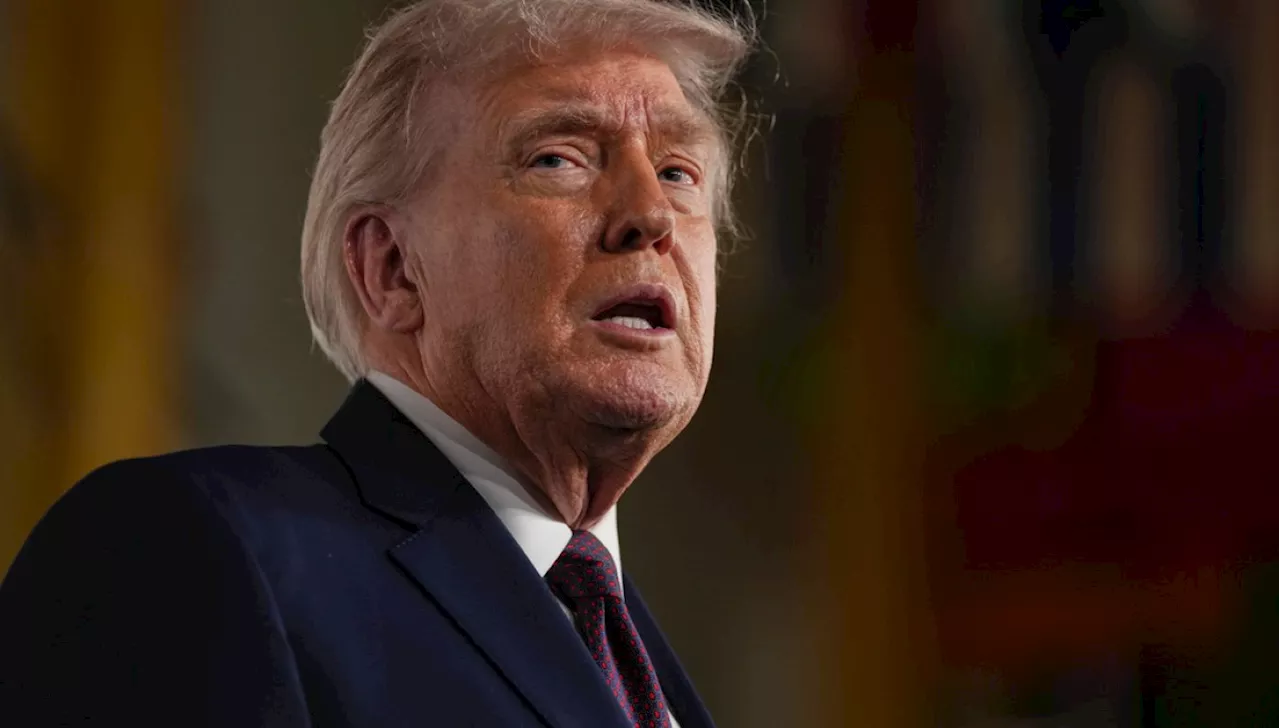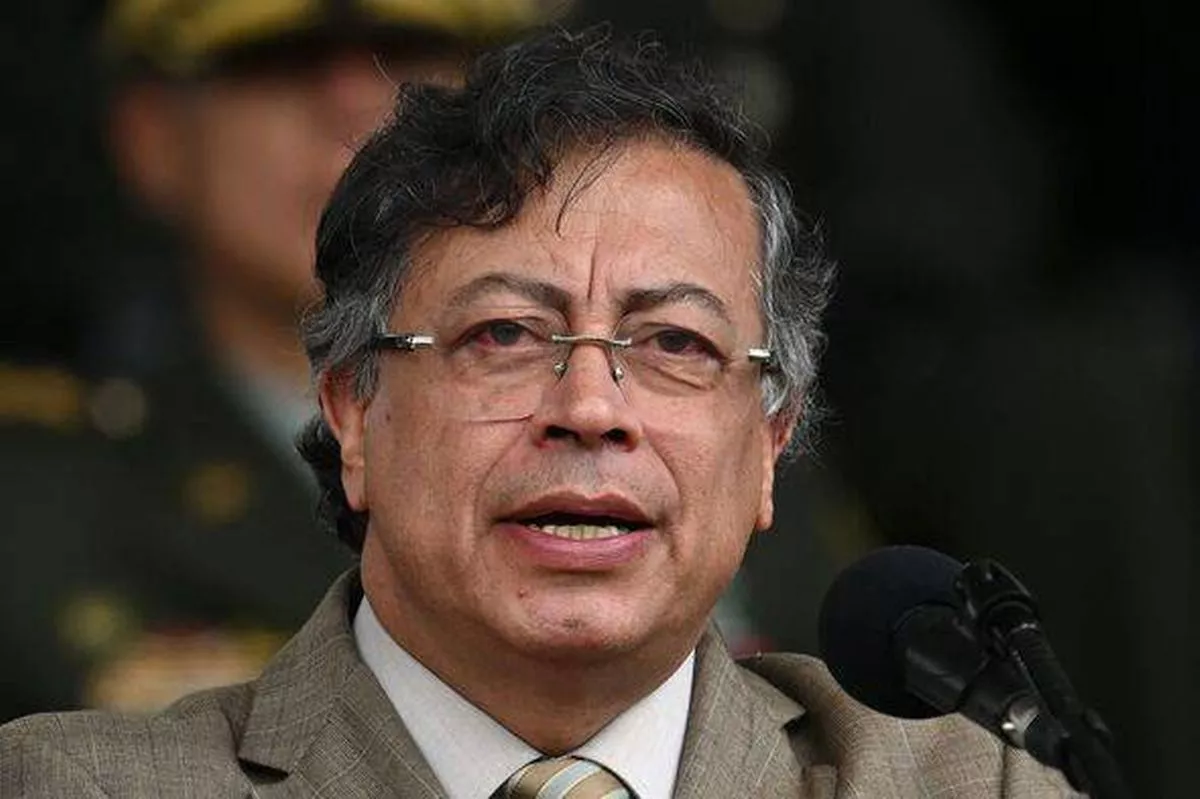
Colombian President Gustavo Petro has expressed strong criticism towards wealthy elites whom he accuses of exacerbating the crisis in Venezuela. In a recent post on his social media account, Petro linked the actions of these individuals to a broader fear of China’s rising influence, suggesting that their motivations stem from “chauvinism, arrogance, or greed.” This declaration comes amid heightened tensions following Donald Trump‘s public statements about potential interventions in both Venezuela and other regions.
Petro’s comments reflect not only his concerns about the impact of U.S. foreign policy but also the implications for Colombia, which has historical ties to Venezuela. He stated, “The problem is not me; the problem is a group of very rich people who, scared of China, want to break the entire international order.” This statement marks a significant moment in international relations, highlighting the intersection of wealth, power, and geopolitical interests.
March 2024 has seen a notable escalation in rhetoric, particularly following Trump’s declaration of potential military operations aimed at capturing Venezuelan President Nicolás Maduro. This rhetoric has reportedly sent shockwaves through Beijing, with Michael Sheridan, a China expert writing for the Independent, noting that Chinese leaders were “deeply shocked” by the U.S. actions. The Chinese government has demanded the immediate release of Maduro and his wife, framing their detention as a violation of international law.
The stakes are high for China, which had previously shown unwavering support for Maduro. Just two years prior, Xi Jinping welcomed the Venezuelan leader with promises of solidarity against foreign interference. In a twist of fate, Maduro met with Qiu Xiaoqi, a senior Chinese envoy, just days before the U.S. operation. High-level discussions centered on over 600 agreements between the two nations covering areas such as energy, infrastructure, and finance.
As the situation unfolds, Chinese leaders are grappling with critical questions about their response. Sheridan suggests that the stark contrast between Venezuela’s inadequate defenses and China’s advanced military capabilities may prompt a reevaluation of military strategies within the People’s Liberation Army. This scrutiny could also influence plans related to Taiwan, which China views as a breakaway province rather than a sovereign nation.
The implications of the U.S. military action extend beyond Venezuela. Beijing perceives the situation as a diplomatic setback for the U.S., branding the operation as a “clear violation of international law.” The Chinese government has positioned its condemnation of U.S. actions as a rallying point for other nations critical of American dominance. By distinguishing Venezuela’s sovereignty from Taiwan’s status, China aims to consolidate its narrative on international relations.
In conclusion, Petro’s fierce remarks highlight the complex interplay of wealth, power, and international diplomacy. As Colombia navigates its role in the region amid these developments, the global community watches closely, aware that the consequences of these tensions could reshape geopolitical dynamics for years to come.